Browse verified doctors or let our care team help you find the doctor best suited to your condition, treatment goals, and budget.

Choosing Quironsalud Ophthalmologic Institute for Hiatal Hernia Repair gives patients access to experienced foregut surgeons, advanced gastrointestinal imaging and endoscopy, laparoscopic and robotic surgical systems, and structured postoperative care. Established in 2018, the JCI accredited hospital in Dubai, United Arab Emirates it has adequate bed capacity and provides specialized treatment for hiatal hernia and related upper gastrointestinal conditions.
Hiatal Hernia Repair is generally performed under general anaesthesia, commonly through a laparoscopic approach using several small abdominal incisions. The surgeon carefully brings the stomach back into the abdomen, releases any associated tissue tension, and repairs the diaphragmatic opening. An anti-reflux procedure may be performed when clinically appropriate. After surgery, patients are monitored for swallowing difficulties, reflux symptoms, bleeding, infection, recurrence, and other potential complications.
NMC As Salama Hospital provides specialised Hiatal Hernia Repair with a focus on anatomical restoration, minimally invasive surgery, effective management of associated reflux, and individualized postoperative care. Established in 2001, the CBAHI accredited hospital is located in Al Khobar, Saudi Arabia and operates 120 beds, with modern foregut surgery, endoscopy, imaging, laparoscopic, and postoperative care infrastructure.
Hiatal Hernia Repair can help manage symptomatic or complicated hiatal hernias in appropriately selected patients. Treatment planning considers the type and size of the hernia, severity of reflux or other symptoms, esophageal function, previous abdominal surgery, and overall health. A detailed gastroenterological and surgical assessment helps determine whether repair is appropriate and whether an additional anti-reflux procedure or other surgical technique should be performed during the same operation.
Clinique Internationale Marrakech is a trusted healthcare provider for Hiatal Hernia Repair, offering advanced treatment for hiatal hernia supported by experienced foregut surgeons, gastroenterologists, anesthesiologists, and multidisciplinary gastrointestinal teams. Established in 2016, the - accredited hospital is situated in Marrakesh, Morocco and has 160 beds.
Hiatal Hernia Repair aims to restore the normal position of the stomach and strengthen the opening in the diaphragm through which the esophagus passes. Depending on the patient's condition, the surgeon may also perform an anti-reflux procedure, such as fundoplication, during the same operation. The choice of technique depends on the type and size of the hernia, associated reflux symptoms, esophageal function, and overall health.
At Hannibal International Clinic, Hiatal Hernia Repair is performed using specialized foregut and minimally invasive surgical techniques with comprehensive preoperative evaluation. Established in 2007, this accredited hospital in Tunis, Tunisia has 120 beds and offers advanced gastroenterology, laparoscopic, and upper gastrointestinal surgical services.
Hiatal Hernia Repair may be considered when symptoms such as persistent acid reflux, regurgitation, chest or upper abdominal discomfort, difficulty swallowing, or complications are not adequately controlled with conservative treatment. Before surgery, the specialist may recommend endoscopy, imaging, esophageal manometry, or other tests to evaluate the hernia and esophageal function. During repair, the stomach is repositioned below the diaphragm and the enlarged opening is repaired to restore normal anatomy.
At Manipal Hospital, Dwarka, Hiatal Hernia Repair is performed using specialized foregut and minimally invasive surgical techniques with comprehensive preoperative evaluation. Established in 2018, this NABH accredited hospital in Delhi, India has 380 beds and offers advanced gastroenterology, laparoscopic, and upper gastrointestinal surgical services.
Hiatal Hernia Repair may be considered when symptoms such as persistent acid reflux, regurgitation, chest or upper abdominal discomfort, difficulty swallowing, or complications are not adequately controlled with conservative treatment. Before surgery, the specialist may recommend endoscopy, imaging, esophageal manometry, or other tests to evaluate the hernia and esophageal function. During repair, the stomach is repositioned below the diaphragm and the enlarged opening is repaired to restore normal anatomy.
Choosing Guven Hospital for Hiatal Hernia Repair gives patients access to experienced foregut surgeons, advanced gastrointestinal imaging and endoscopy, laparoscopic and robotic surgical systems, and structured postoperative care. Established in 1975, the GHA accredited hospital in Ankara, Turkey has 254 beds and provides specialized treatment for hiatal hernia and related upper gastrointestinal conditions.
Hiatal Hernia Repair is generally performed under general anaesthesia, commonly through a laparoscopic approach using several small abdominal incisions. The surgeon carefully brings the stomach back into the abdomen, releases any associated tissue tension, and repairs the diaphragmatic opening. An anti-reflux procedure may be performed when clinically appropriate. After surgery, patients are monitored for swallowing difficulties, reflux symptoms, bleeding, infection, recurrence, and other potential complications.
At netcare Linksfield Hospital, Hiatal Hernia Repair is performed using specialized foregut and minimally invasive surgical techniques with comprehensive preoperative evaluation. Established in 1991, this COHSASA accredited hospital in Johannesburg, South Africa has 319 beds and offers advanced gastroenterology, laparoscopic, and upper gastrointestinal surgical services.
Hiatal Hernia Repair may be considered when symptoms such as persistent acid reflux, regurgitation, chest or upper abdominal discomfort, difficulty swallowing, or complications are not adequately controlled with conservative treatment. Before surgery, the specialist may recommend endoscopy, imaging, esophageal manometry, or other tests to evaluate the hernia and esophageal function. During repair, the stomach is repositioned below the diaphragm and the enlarged opening is repaired to restore normal anatomy.
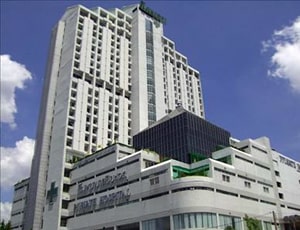
At Piyavate Hospital, Hiatal Hernia Repair is performed using specialized foregut and minimally invasive surgical techniques with comprehensive preoperative evaluation. Established in 1993, this JCI, ISO accredited hospital in Bangkok, Thailand has 150 beds and offers advanced gastroenterology, laparoscopic, and upper gastrointestinal surgical services.
Hiatal Hernia Repair may be considered when symptoms such as persistent acid reflux, regurgitation, chest or upper abdominal discomfort, difficulty swallowing, or complications are not adequately controlled with conservative treatment. Before surgery, the specialist may recommend endoscopy, imaging, esophageal manometry, or other tests to evaluate the hernia and esophageal function. During repair, the stomach is repositioned below the diaphragm and the enlarged opening is repaired to restore normal anatomy.
Choosing Dr. Rela Institute and Medical Centre for Hiatal Hernia Repair gives patients access to experienced foregut surgeons, advanced gastrointestinal imaging and endoscopy, laparoscopic and robotic surgical systems, and structured postoperative care. Established in 2018, the NABH, NABL accredited hospital in Chennai, India has 450 beds and provides specialized treatment for hiatal hernia and related upper gastrointestinal conditions.
Hiatal Hernia Repair is generally performed under general anaesthesia, commonly through a laparoscopic approach using several small abdominal incisions. The surgeon carefully brings the stomach back into the abdomen, releases any associated tissue tension, and repairs the diaphragmatic opening. An anti-reflux procedure may be performed when clinically appropriate. After surgery, patients are monitored for swallowing difficulties, reflux symptoms, bleeding, infection, recurrence, and other potential complications.
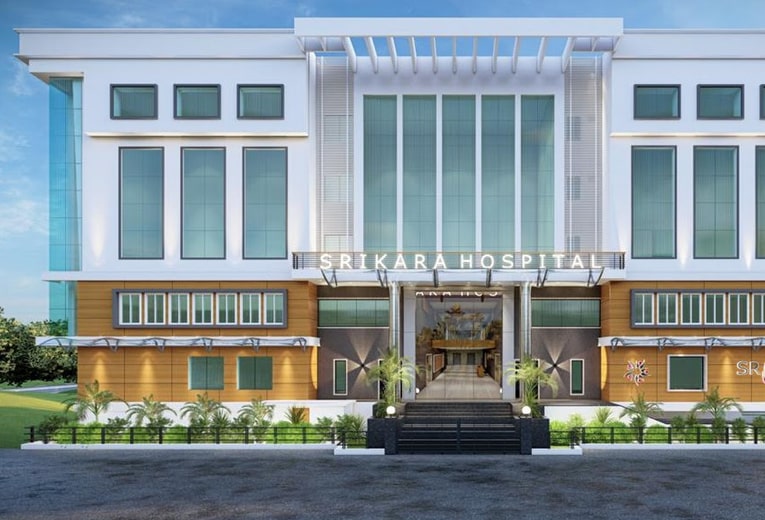
Srikara Hospital, RTC Cross Roads is a trusted healthcare provider for Hiatal Hernia Repair, offering advanced treatment for hiatal hernia supported by experienced foregut surgeons, gastroenterologists, anesthesiologists, and multidisciplinary gastrointestinal teams. Established in 2013, the NABH- accredited hospital is situated in Hyderabad, India and has 120 beds.
Hiatal Hernia Repair aims to restore the normal position of the stomach and strengthen the opening in the diaphragm through which the esophagus passes. Depending on the patient's condition, the surgeon may also perform an anti-reflux procedure, such as fundoplication, during the same operation. The choice of technique depends on the type and size of the hernia, associated reflux symptoms, esophageal function, and overall health.
Yatharth hospital provides specialised Hiatal Hernia Repair with a focus on anatomical restoration, minimally invasive surgery, effective management of associated reflux, and individualized postoperative care. Established in 2008, the JCI, NABH, NABL accredited hospital is located in Delhi, India and operates 400 beds, with modern foregut surgery, endoscopy, imaging, laparoscopic, and postoperative care infrastructure.
Hiatal Hernia Repair can help manage symptomatic or complicated hiatal hernias in appropriately selected patients. Treatment planning considers the type and size of the hernia, severity of reflux or other symptoms, esophageal function, previous abdominal surgery, and overall health. A detailed gastroenterological and surgical assessment helps determine whether repair is appropriate and whether an additional anti-reflux procedure or other surgical technique should be performed during the same operation.
At Vinmec Phu Quoc Hospital, Hiatal Hernia Repair is performed using specialized foregut and minimally invasive surgical techniques with comprehensive preoperative evaluation. Established in 2015, this JCI accredited hospital in Phu Quoc, Vietnam has 150 beds and offers advanced gastroenterology, laparoscopic, and upper gastrointestinal surgical services.
Hiatal Hernia Repair may be considered when symptoms such as persistent acid reflux, regurgitation, chest or upper abdominal discomfort, difficulty swallowing, or complications are not adequately controlled with conservative treatment. Before surgery, the specialist may recommend endoscopy, imaging, esophageal manometry, or other tests to evaluate the hernia and esophageal function. During repair, the stomach is repositioned below the diaphragm and the enlarged opening is repaired to restore normal anatomy.
Choosing Vinmec Times City for Hiatal Hernia Repair gives patients access to experienced foregut surgeons, advanced gastrointestinal imaging and endoscopy, laparoscopic and robotic surgical systems, and structured postoperative care. Established in 2012, the JCI accredited hospital in Ha noi, Vietnam has 500 beds and provides specialized treatment for hiatal hernia and related upper gastrointestinal conditions.
Hiatal Hernia Repair is generally performed under general anaesthesia, commonly through a laparoscopic approach using several small abdominal incisions. The surgeon carefully brings the stomach back into the abdomen, releases any associated tissue tension, and repairs the diaphragmatic opening. An anti-reflux procedure may be performed when clinically appropriate. After surgery, patients are monitored for swallowing difficulties, reflux symptoms, bleeding, infection, recurrence, and other potential complications.
Ruby Hall Clinic provides specialised Hiatal Hernia Repair with a focus on anatomical restoration, minimally invasive surgery, effective management of associated reflux, and individualized postoperative care. Established in 1959, the NABH, NABL accredited hospital is located in Pune, India and operates 600 beds, with modern foregut surgery, endoscopy, imaging, laparoscopic, and postoperative care infrastructure.
Hiatal Hernia Repair can help manage symptomatic or complicated hiatal hernias in appropriately selected patients. Treatment planning considers the type and size of the hernia, severity of reflux or other symptoms, esophageal function, previous abdominal surgery, and overall health. A detailed gastroenterological and surgical assessment helps determine whether repair is appropriate and whether an additional anti-reflux procedure or other surgical technique should be performed during the same operation.
Yashoda Hospital, Malakpet offers advanced Hiatal Hernia Repair using modern minimally invasive foregut surgical techniques and individualized gastrointestinal care plans. Established in 1989, the NABH, NABL accredited hospital is located in Hyderabad, India and has 404 beds, providing comprehensive gastrointestinal and surgical care for local and international patients.
Hiatal Hernia Repair is a surgical procedure used to correct a hiatal hernia, a condition in which part of the stomach moves upward through the opening in the diaphragm into the chest. Surgery may be considered for patients with persistent symptoms, complications, or selected large hernias. The procedure generally involves returning the stomach to its normal abdominal position and repairing or narrowing the diaphragmatic opening to reduce the risk of recurrence.