Explore trusted hospitals and care options, or get personalised support to find a suitable option based on your treatment needs, preferences, and budget.

Florence Nightingale Hospital is a trusted healthcare provider for Foregut Surgery, offering specialized upper gastrointestinal surgery supported by experienced gastrointestinal surgeons, foregut specialists, gastroenterologists, anesthesiologists, radiologists, and multidisciplinary teams. Established in 1989, the JCI- accredited hospital is situated in Istanbul, Turkey and has 804 beds.
Foregut Surgery aims to address structural, functional, or disease-related problems affecting the esophagus, stomach, and gastroesophageal junction. Depending on the diagnosis, surgical treatment may restore normal food passage, reduce abnormal acid reflux, repair a hiatal hernia, relieve obstruction, or remove diseased tissue. The surgical approach is selected according to the patient's condition, anatomy, previous procedures, and overall health.
Parkway East Hospital offers advanced Foregut Surgery using modern upper gastrointestinal surgical techniques and individualized treatment plans. Established in 1942, the JCI accredited hospital is located in Singapore, Singapore and has 143 beds, providing comprehensive gastrointestinal and minimally invasive surgical care for local and international patients.
Foregut Surgery refers to surgical procedures involving the upper portion of the gastrointestinal tract, including the esophagus, stomach, and areas around the gastroesophageal junction. It may be used to treat conditions such as gastroesophageal reflux disease, achalasia, hiatal hernia, esophageal disorders, gastric conditions, and selected tumors. Depending on the condition, surgery may be performed using open, laparoscopic, or robotic-assisted techniques.
NPISTANBUL Brain Hospital provides specialised Foregut Surgery with a focus on precise upper gastrointestinal surgery, minimally invasive techniques, functional preservation, and individualised postoperative management. Established in 2007, the JCI- accredited hospital is located in Istanbul, Turkey and operates 160 beds, with modern gastrointestinal surgery, endoscopy, imaging, robotic surgery, and critical-care infrastructure.
Foregut Surgery encompasses a range of procedures tailored to disorders affecting the oesophagus, stomach, and gastroesophageal junction. Treatment planning considers the underlying diagnosis, severity of symptoms, anatomical findings, results of endoscopy and imaging, previous treatments, nutritional status, and overall health. A multidisciplinary assessment helps determine whether surgery is appropriate and whether an open, laparoscopic, or robotic-assisted approach is most suitable for the individual patient.
Choosing Gleneagles Hospital Mumbai for Foregut Surgery gives patients access to experienced foregut surgeons, advanced gastrointestinal imaging and endoscopy, minimally invasive and robotic surgical systems, and structured postoperative care. Established in 1996, the JCI accredited hospital in Mumbai, India has 450 beds and provides specialized treatment for complex upper gastrointestinal conditions.
Foregut Surgery is performed under appropriate anaesthesia, with the technique determined by the specific disorder being treated. Minimally invasive procedures may involve small abdominal or thoracic incisions through which specialized instruments and a camera are introduced. Depending on the operation, surgeons may repair weakened tissues, reposition the stomach, divide abnormal muscle, remove diseased portions of the esophagus or stomach, or reconstruct the gastrointestinal tract. Postoperative monitoring focuses on recovery of gastrointestinal function, nutrition, pain control, and potential surgical complications.
Dubai, United Arab Emirates
At Saudi German Hospital, Foregut Surgery is performed using specialized upper gastrointestinal surgical techniques and comprehensive diagnostic evaluation. Established in 2012, this JCI accredited hospital in Dubai, United Arab Emirates has 300 beds and offers advanced gastrointestinal, bariatric, thoracic, and minimally invasive surgical services.
Foregut Surgery may be considered when medical treatment or less invasive approaches do not adequately manage certain disorders of the esophagus or stomach. The specific procedure depends on the underlying condition and may include anti-reflux surgery, hiatal hernia repair, Heller myotomy, esophageal or gastric resection, or other reconstructive procedures. Preoperative evaluation may include endoscopy, imaging, manometry, pH testing, and other investigations when clinically indicated.
Ghaziabad, India
Max Super Specialty Hospital, Vaishali provides specialised Foregut Surgery with a focus on precise upper gastrointestinal surgery, minimally invasive techniques, functional preservation, and individualised postoperative management. Established in 2008, the NABL, NABH- accredited hospital is located in Ghaziabad, India and operates 370 beds, with modern gastrointestinal surgery, endoscopy, imaging, robotic surgery, and critical-care infrastructure.
Foregut Surgery encompasses a range of procedures tailored to disorders affecting the oesophagus, stomach, and gastroesophageal junction. Treatment planning considers the underlying diagnosis, severity of symptoms, anatomical findings, results of endoscopy and imaging, previous treatments, nutritional status, and overall health. A multidisciplinary assessment helps determine whether surgery is appropriate and whether an open, laparoscopic, or robotic-assisted approach is most suitable for the individual patient.
At Antalya Anadolu Hastanesi, Foregut Surgery is performed using specialized upper gastrointestinal surgical techniques and comprehensive diagnostic evaluation. Established in 2006, this accredited hospital in Antalya, Turkey has 114 beds and offers advanced gastrointestinal, bariatric, thoracic, and minimally invasive surgical services.
Foregut Surgery may be considered when medical treatment or less invasive approaches do not adequately manage certain disorders of the esophagus or stomach. The specific procedure depends on the underlying condition and may include anti-reflux surgery, hiatal hernia repair, Heller myotomy, esophageal or gastric resection, or other reconstructive procedures. Preoperative evaluation may include endoscopy, imaging, manometry, pH testing, and other investigations when clinically indicated.
Choosing Max Hospital, Gurgaon for Foregut Surgery gives patients access to experienced foregut surgeons, advanced gastrointestinal imaging and endoscopy, minimally invasive and robotic surgical systems, and structured postoperative care. Established in 2007, the ISO, NABH, NABL accredited hospital in Gurgaon, India has 104 beds and provides specialized treatment for complex upper gastrointestinal conditions.
Foregut Surgery is performed under appropriate anaesthesia, with the technique determined by the specific disorder being treated. Minimally invasive procedures may involve small abdominal or thoracic incisions through which specialized instruments and a camera are introduced. Depending on the operation, surgeons may repair weakened tissues, reposition the stomach, divide abnormal muscle, remove diseased portions of the esophagus or stomach, or reconstruct the gastrointestinal tract. Postoperative monitoring focuses on recovery of gastrointestinal function, nutrition, pain control, and potential surgical complications.
Sikarin Hospital provides specialised Foregut Surgery with a focus on precise upper gastrointestinal surgery, minimally invasive techniques, functional preservation, and individualised postoperative management. Established in 1979, the JCI- accredited hospital is located in Bangkok, Thailand and operates 354 beds, with modern gastrointestinal surgery, endoscopy, imaging, robotic surgery, and critical-care infrastructure.
Foregut Surgery encompasses a range of procedures tailored to disorders affecting the oesophagus, stomach, and gastroesophageal junction. Treatment planning considers the underlying diagnosis, severity of symptoms, anatomical findings, results of endoscopy and imaging, previous treatments, nutritional status, and overall health. A multidisciplinary assessment helps determine whether surgery is appropriate and whether an open, laparoscopic, or robotic-assisted approach is most suitable for the individual patient.
Istanbul, Turkey
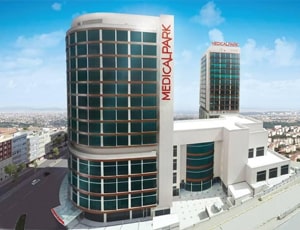
Istinye University Medical Park Gaziosmanpasa Hospital provides specialised Foregut Surgery with a focus on precise upper gastrointestinal surgery, minimally invasive techniques, functional preservation, and individualised postoperative management. Established in 2015, the ISO, JCI- accredited hospital is located in Istanbul, Turkey and operates 197 beds, with modern gastrointestinal surgery, endoscopy, imaging, robotic surgery, and critical-care infrastructure.
Foregut Surgery encompasses a range of procedures tailored to disorders affecting the oesophagus, stomach, and gastroesophageal junction. Treatment planning considers the underlying diagnosis, severity of symptoms, anatomical findings, results of endoscopy and imaging, previous treatments, nutritional status, and overall health. A multidisciplinary assessment helps determine whether surgery is appropriate and whether an open, laparoscopic, or robotic-assisted approach is most suitable for the individual patient.
Choosing Fortis Escorts Heart Institute, Okhla for Foregut Surgery gives patients access to experienced foregut surgeons, advanced gastrointestinal imaging and endoscopy, minimally invasive and robotic surgical systems, and structured postoperative care. Established in 1988, the NABL accredited hospital in Delhi, India has 310 beds and provides specialized treatment for complex upper gastrointestinal conditions.
Foregut Surgery is performed under appropriate anaesthesia, with the technique determined by the specific disorder being treated. Minimally invasive procedures may involve small abdominal or thoracic incisions through which specialized instruments and a camera are introduced. Depending on the operation, surgeons may repair weakened tissues, reposition the stomach, divide abnormal muscle, remove diseased portions of the esophagus or stomach, or reconstruct the gastrointestinal tract. Postoperative monitoring focuses on recovery of gastrointestinal function, nutrition, pain control, and potential surgical complications.
Bangkok, Thailand
Kasemrad Ramkhamhaeng Hospital is a trusted healthcare provider for Foregut Surgery, offering specialized upper gastrointestinal surgery supported by experienced gastrointestinal surgeons, foregut specialists, gastroenterologists, anesthesiologists, radiologists, and multidisciplinary teams. Established in 1992, the JCI- accredited hospital is situated in Bangkok, Thailand and has 120 beds.
Foregut Surgery aims to address structural, functional, or disease-related problems affecting the esophagus, stomach, and gastroesophageal junction. Depending on the diagnosis, surgical treatment may restore normal food passage, reduce abnormal acid reflux, repair a hiatal hernia, relieve obstruction, or remove diseased tissue. The surgical approach is selected according to the patient's condition, anatomy, previous procedures, and overall health.
Dubai, United Arab Emirates
Zulekha Hospital Dubai is a trusted healthcare provider for Foregut Surgery, offering specialized upper gastrointestinal surgery supported by experienced gastrointestinal surgeons, foregut specialists, gastroenterologists, anesthesiologists, radiologists, and multidisciplinary teams. Established in 2004, the JCI- accredited hospital is situated in Dubai, United Arab Emirates and has 179 beds.
Foregut Surgery aims to address structural, functional, or disease-related problems affecting the esophagus, stomach, and gastroesophageal junction. Depending on the diagnosis, surgical treatment may restore normal food passage, reduce abnormal acid reflux, repair a hiatal hernia, relieve obstruction, or remove diseased tissue. The surgical approach is selected according to the patient's condition, anatomy, previous procedures, and overall health.
Choosing Liv Hospital Ulus for Foregut Surgery gives patients access to experienced foregut surgeons, advanced gastrointestinal imaging and endoscopy, minimally invasive and robotic surgical systems, and structured postoperative care. Established in 2013, the JCI accredited hospital in Istanbul, Turkey has 154 beds and provides specialized treatment for complex upper gastrointestinal conditions.
Foregut Surgery is performed under appropriate anaesthesia, with the technique determined by the specific disorder being treated. Minimally invasive procedures may involve small abdominal or thoracic incisions through which specialized instruments and a camera are introduced. Depending on the operation, surgeons may repair weakened tissues, reposition the stomach, divide abnormal muscle, remove diseased portions of the esophagus or stomach, or reconstruct the gastrointestinal tract. Postoperative monitoring focuses on recovery of gastrointestinal function, nutrition, pain control, and potential surgical complications.
Indraprastha Apollo Hospital provides specialised Foregut Surgery with a focus on precise upper gastrointestinal surgery, minimally invasive techniques, functional preservation, and individualised postoperative management. Established in 1996, the JCI- accredited hospital is located in Delhi, India and operates 710 beds, with modern gastrointestinal surgery, endoscopy, imaging, robotic surgery, and critical-care infrastructure.
Foregut Surgery encompasses a range of procedures tailored to disorders affecting the oesophagus, stomach, and gastroesophageal junction. Treatment planning considers the underlying diagnosis, severity of symptoms, anatomical findings, results of endoscopy and imaging, previous treatments, nutritional status, and overall health. A multidisciplinary assessment helps determine whether surgery is appropriate and whether an open, laparoscopic, or robotic-assisted approach is most suitable for the individual patient.