Browse verified doctors or let our care team help you find the doctor best suited to your condition, treatment goals, and budget.

With advanced ENT infrastructure, Riyadh Care Hospital offers Nasal Polyp Surgery for patients with persistent or extensive nasal polyps. Established in 1990, the JCI accredited hospital is located in Riyadh, Saudi Arabia, and has 325 beds.
Endoscopic surgery allows the specialist to visualise and remove polyps through the nasal passages, and to open blocked sinus pathways when required. It may be considered when symptoms do not respond adequately to medical management. Pre-operative evaluation may include nasal endoscopy and CT imaging to assess the extent of sinus disease and plan treatment.
Care national Hospital offers specialised Nasal Polyp Surgery using modern endoscopic technology and established sinus treatment protocols. Established in 2003, the JCI accredited hospital is situated in Riyadh, Saudi Arabia, with 460 beds, serving local and international patients.
Nasal polyp surgery can help relieve persistent congestion, breathing difficulties, reduced sense of smell, and sinus-related symptoms caused by obstructive polyps. The surgeon typically uses an endoscope and specialised instruments to remove the growths and improve sinus drainage. Before treatment, the specialist evaluates nasal and sinus health, imaging findings, symptoms, and previous medical treatment to determine the appropriate surgical approach.
With advanced ENT infrastructure, NMC As Salama Hospital offers Nasal Polyp Surgery for patients with persistent or extensive nasal polyps. Established in 2001, the CBAHI accredited hospital is located in Al Khobar, Saudi Arabia, and has 120 beds.
Endoscopic surgery allows the specialist to visualise and remove polyps through the nasal passages, and to open blocked sinus pathways when required. It may be considered when symptoms do not respond adequately to medical management. Pre-operative evaluation may include nasal endoscopy and CT imaging to assess the extent of sinus disease and plan treatment.
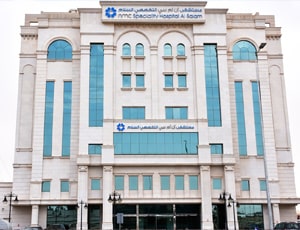
At NMC Specialty Hospital Al Salam, patients can access Nasal Polyp Surgery supported by advanced endoscopic equipment and experienced ENT specialists. Established in 1999, the CBAHI accredited hospital is located in Riyadh, Saudi Arabia, and has 100 beds.
Nasal polyp surgery may be recommended when polyps cause persistent nasal obstruction, breathing difficulties, recurrent sinus infections, or loss of smell despite appropriate medical treatment. Using an endoscope and specialised instruments, the surgeon removes the polyps while addressing underlying sinus blockage when necessary. A detailed nasal examination and imaging assessment help guide the procedure.

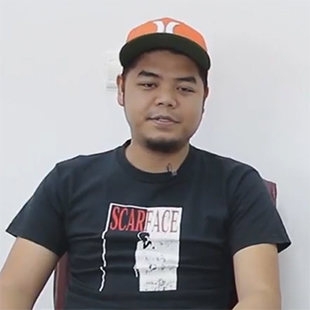
Mr. Glenn from the Philippines underwent Nasal Septum Surgery in International Hospital, U.A.E under the supervision of Dr. Rohit Gulati
| Speciality | ENT |
| Procedure | Nasal Polyp Surgery |
| Success Rate | 80-90% |
| Recovery Time | 1 week |
| Treatment Time | 30 mins |
| Chances of Recurrence | 5-10% |
A nasal polyp surgery is an endoscopic sinus surgery. It is a procedure performed to remove nasal polyps (noncancerous growths that develop in the lining of the nasal passages) and sinuses. The surgery is typically done using an endoscope, a thin, flexible tube with a camera and light. This endoscopic approach allows the surgeon to visualize and remove the polyps without making external incisions.
Nasal polyp surgery is primarily used to treat conditions such as Chronic Sinusitis (chronic inflammation of the sinuses due to nasal polyps), Nasal Obstruction (large or multiple nasal polyps obstructing the nasal passages), and Recurrent Sinus Infections.
Following nasal polyp surgery, patients may encounter mild discomfort, swelling, and nasal congestion. To alleviate these symptoms, physicians usually recommend pain medications and saline rinses. Recovery duration varies, but most patients can resume normal activities within one to two weeks. Regular follow-up appointments with the surgeon are crucial to monitor healing and ensure favorable results. In certain instances, additional medical measures like corticosteroid sprays may be prescribed to prevent polyp recurrence and maintain clear nasal passages.
According to the procedure, hospitals are ranked based on a variety of components. To rank these hospitals in Saudi Arabia for Nasal Polyp Surgery, take the following aspects into account- Infrastructure, Availability of the Procedure, Popularity for the procedure, Technology Used, Qualified & Experienced Specialists, Cost, Facilities provided, Success Rate
MediGence puts forth a lot of effort to make your medical travel of the finest quality, convenient, and affordable for you. We provide a set of unmatched services to assist you in your medical journey to different countries in the world. Some of our caregiving services & unmatched benefits include hotel stays or accommodation, airport transfers, dedicated case manager, care packages for recovery, online consultations with the specialist, 24/7 assistance, and prenegotiated treatment packages with an assured 30% discount. In addition to these, MediGence offers a variety of other value-added services to make your healthcare journey trouble-free and memorable.
Yes. MediGence gives you the privilege of scheduling an online consultation with a specialist in Saudi Arabia. When having a conversation with one of our patient advisors, you can ask them to book your video consultation with the specialist. They will check the doctor's availability for the consultation. Once confirmed, you will be sent a payment link to book your online consultation.
Saudi Arabia is becoming a prime destination for many people across the world for Nasal Polyp Surgery because of high success rates and modern infrastructure. Many other factors make Saudi Arabia the preferred choice for Nasal Polyp Surgery. These include:
The recovery time of the patients can be determined based on the patient’s overall health and the criticality of the procedure undergone. The patient should make sure to take all rehabilitation sessions and follow postoperative care protocols, among other things, to reduce their recovery time. Following surgery, patients must return for follow-up appointments to ensure proper healing and to expedite the healing process.