Browse verified doctors or let our care team help you find the doctor best suited to your condition, treatment goals, and budget.

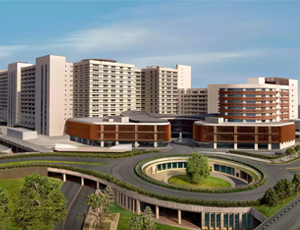
At Aster Medcity, Transmyocardial Revascularization (TMR) is performed using advanced cardiac surgical and laser-based techniques, with treatment plans tailored to each patient's cardiovascular condition. Established in 2013, this NABH, JCI hospital in Kochi, India has 670 beds and provides comprehensive cardiac care.
Transmyocardial Revascularisation (TMR) may be recommended for carefully selected patients with severe, persistent angina caused by coronary artery disease when other treatments do not provide sufficient symptom relief. During the procedure, a specialised laser creates channels through the heart muscle to improve myocardial blood flow and reduce angina symptoms. A detailed cardiac evaluation is generally performed before surgery to assess coronary disease, ventricular function, and suitability for the procedure.
Medicana Camlica Hospital offers advanced Transmyocardial Revascularisation (TMR) using modern cardiac surgical techniques and internationally accepted treatment protocols. Established in 1999, the ISO, JCI hospital is located in Istanbul, Turkey and has 113 beds, providing comprehensive cardiovascular care for local and international patients.
Transmyocardial Revascularisation (TMR) is a surgical procedure that uses a laser to create small channels in the heart muscle to improve blood flow and help relieve severe angina in selected patients with coronary artery disease. It is generally considered when symptoms persist despite medication and conventional revascularisation options are not suitable or have not provided adequate relief. Before treatment, doctors assess coronary anatomy, heart function, symptoms, and overall health to determine whether TMR is appropriate.
Aakash Healthcare Super Speciality Hospital offers advanced Transmyocardial Revascularisation (TMR) using modern cardiac surgical techniques and internationally accepted treatment protocols. Established in 2011, the NABH, ISO hospital is located in Delhi, India and has 230 beds, providing comprehensive cardiovascular care for local and international patients.
Transmyocardial Revascularisation (TMR) is a surgical procedure that uses a laser to create small channels in the heart muscle to improve blood flow and help relieve severe angina in selected patients with coronary artery disease. It is generally considered when symptoms persist despite medication and conventional revascularisation options are not suitable or have not provided adequate relief. Before treatment, doctors assess coronary anatomy, heart function, symptoms, and overall health to determine whether TMR is appropriate.
Memorial Sisli Hospital is a trusted healthcare provider for Transmyocardial Revascularization (TMR), offering specialized cardiac surgery supported by experienced cardiovascular surgeons and modern medical infrastructure. Established in 2000, the JCI, NABH hospital is situated in Istanbul, Turkey and has 252 beds.
Transmyocardial Revascularisation is an advanced treatment option for selected patients with severe coronary artery disease and chronic angina that remains inadequately controlled despite other therapies. The procedure uses a laser to create multiple small channels in the myocardium to improve blood supply to areas of the heart affected by ischemia. Doctors evaluate the patient's symptoms, coronary anatomy, previous treatments, and heart function before recommending TMR. Follow-up helps assess symptom improvement and cardiac status.
Hisar Intercontinental Hospital is a trusted healthcare provider for Transmyocardial Revascularization (TMR), offering specialized cardiac surgery supported by experienced cardiovascular surgeons and modern medical infrastructure. Established in 2005, the JCI hospital is situated in Istanbul, Turkey and has 170 beds.
Transmyocardial Revascularisation is an advanced treatment option for selected patients with severe coronary artery disease and chronic angina that remains inadequately controlled despite other therapies. The procedure uses a laser to create multiple small channels in the myocardium to improve blood supply to areas of the heart affected by ischemia. Doctors evaluate the patient's symptoms, coronary anatomy, previous treatments, and heart function before recommending TMR. Follow-up helps assess symptom improvement and cardiac status.
At Meliva Kardiolita Hospital, Kaunas, Transmyocardial Revascularization (TMR) is performed using advanced cardiac surgical and laser-based techniques, with treatment plans tailored to each patient's cardiovascular condition. Established in 1998, this JCI hospital in Kaunas, Lithuania has 8 beds and provides comprehensive cardiac care.
Transmyocardial Revascularisation (TMR) may be recommended for carefully selected patients with severe, persistent angina caused by coronary artery disease when other treatments do not provide sufficient symptom relief. During the procedure, a specialised laser creates channels through the heart muscle to improve myocardial blood flow and reduce angina symptoms. A detailed cardiac evaluation is generally performed before surgery to assess coronary disease, ventricular function, and suitability for the procedure.
Choosing Catalunya General University Hospital for Transmyocardial Revascularization (TMR) gives patients access to experienced cardiac surgeons, advanced laser technology, and comprehensive coronary care. Established in 1984, the ISO hospital in Barcelona, Spain has 300 beds and provides specialized cardiovascular services.
Transmyocardial Revascularisation (TMR) may be considered for patients with severe angina who have limited treatment options because their coronary arteries are not suitable for conventional bypass or other revascularisation procedures. During TMR, surgeons use a laser to create channels in the heart muscle to support blood flow and potentially reduce angina symptoms. Before surgery, doctors perform cardiac imaging and other investigations to evaluate disease severity and determine whether the patient is an appropriate candidate.
Jaypee Hospital provides specialised Transmyocardial Revascularization (TMR) services with a focus on advanced cardiac interventions, symptom management, and comprehensive postoperative care. Established in 2014, the NABH, JCI hospital is located in Noida, India and operates 1200 beds with modern cardiac surgical infrastructure.
Transmyocardial Revascularisation (TMR) is designed to help relieve severe, persistent angina in selected patients with advanced coronary artery disease when standard treatment options are unsuitable or have not provided adequate relief. Using a specialised laser, surgeons create small channels in the heart muscle to improve myocardial perfusion and reduce ischemic symptoms. Comprehensive preoperative cardiac assessment helps determine treatment suitability, while postoperative monitoring and medical management support recovery and ongoing cardiovascular care.
Chennai, India
Sri Ramachandra Medical Centre provides specialised Transmyocardial Revascularization (TMR) services with a focus on advanced cardiac interventions, symptom management, and comprehensive postoperative care. Established in 1985, the JCI, NABH hospital is located in Chennai, India and operates 1800 beds with modern cardiac surgical infrastructure.
Transmyocardial Revascularisation (TMR) is designed to help relieve severe, persistent angina in selected patients with advanced coronary artery disease when standard treatment options are unsuitable or have not provided adequate relief. Using a specialised laser, surgeons create small channels in the heart muscle to improve myocardial perfusion and reduce ischemic symptoms. Comprehensive preoperative cardiac assessment helps determine treatment suitability, while postoperative monitoring and medical management support recovery and ongoing cardiovascular care.
Acibadem Kadikoy Hospital provides specialised Transmyocardial Revascularization (TMR) services with a focus on advanced cardiac interventions, symptom management, and comprehensive postoperative care. Established in 1991, the JCI hospital is located in Istanbul, Turkey and operates 138 beds with modern cardiac surgical infrastructure.
Transmyocardial Revascularisation (TMR) is designed to help relieve severe, persistent angina in selected patients with advanced coronary artery disease when standard treatment options are unsuitable or have not provided adequate relief. Using a specialised laser, surgeons create small channels in the heart muscle to improve myocardial perfusion and reduce ischemic symptoms. Comprehensive preoperative cardiac assessment helps determine treatment suitability, while postoperative monitoring and medical management support recovery and ongoing cardiovascular care.
Tel Aviv, Israel
At Tel Aviv Sourasky Medical Center -Ichilov Hospital, Transmyocardial Revascularization (TMR) is performed using advanced cardiac surgical and laser-based techniques, with treatment plans tailored to each patient's cardiovascular condition. Established in 1963, this JCI hospital in Tel Aviv, Israel has 1500 beds and provides comprehensive cardiac care.
Transmyocardial Revascularisation (TMR) may be recommended for carefully selected patients with severe, persistent angina caused by coronary artery disease when other treatments do not provide sufficient symptom relief. During the procedure, a specialised laser creates channels through the heart muscle to improve myocardial blood flow and reduce angina symptoms. A detailed cardiac evaluation is generally performed before surgery to assess coronary disease, ventricular function, and suitability for the procedure.
Amrita Hospital provides specialised Transmyocardial Revascularization (TMR) services with a focus on advanced cardiac interventions, symptom management, and comprehensive postoperative care. Established in 2022, the NABH hospital is located in Faridabad, India and operates 2600 beds with modern cardiac surgical infrastructure.
Transmyocardial Revascularisation (TMR) is designed to help relieve severe, persistent angina in selected patients with advanced coronary artery disease when standard treatment options are unsuitable or have not provided adequate relief. Using a specialised laser, surgeons create small channels in the heart muscle to improve myocardial perfusion and reduce ischemic symptoms. Comprehensive preoperative cardiac assessment helps determine treatment suitability, while postoperative monitoring and medical management support recovery and ongoing cardiovascular care.
Sagrat Cor University Hospital provides specialised Transmyocardial Revascularization (TMR) services with a focus on advanced cardiac interventions, symptom management, and comprehensive postoperative care. Established in 1970, the hospital is located in Barcelona, Spain and operates 323 beds with modern cardiac surgical infrastructure.
Transmyocardial Revascularisation (TMR) is designed to help relieve severe, persistent angina in selected patients with advanced coronary artery disease when standard treatment options are unsuitable or have not provided adequate relief. Using a specialised laser, surgeons create small channels in the heart muscle to improve myocardial perfusion and reduce ischemic symptoms. Comprehensive preoperative cardiac assessment helps determine treatment suitability, while postoperative monitoring and medical management support recovery and ongoing cardiovascular care.