Explore trusted hospitals and care options, or get personalised support to find a suitable option based on your treatment needs, preferences, and budget.
Dubai, United Arab Emirates
At NMC Specialty Hospital, Al Nahda, Pulmonary Valve Replacement is performed using advanced cardiac surgical and catheter-based techniques, with treatment plans tailored to each patient's condition. Established in 2004, this JCI hospital in Dubai, United Arab Emirates has 187 beds and provides comprehensive cardiovascular care.
Pulmonary Valve Replacement may be considered when a diseased pulmonary valve significantly affects blood flow between the right ventricle and pulmonary artery. The procedure may be performed surgically or, in selected patients, using a minimally invasive catheter-based approach. Doctors generally conduct echocardiography, cardiac imaging, and other assessments before treatment to evaluate the valve and surrounding structures. Post-procedure monitoring and regular cardiology follow-up help assess valve function and overall recovery.
Abu Dhabi, United Arab Emirates
NMC Specialty Hospital is a trusted healthcare provider for Pulmonary Valve Replacement, offering advanced structural and congenital heart care supported by experienced cardiac specialists and modern medical infrastructure. Established in 1975, the JCI, NABH hospital is situated in Abu Dhabi, United Arab Emirates and has 104 beds.
Pulmonary Valve Replacement can help restore normal blood flow when the pulmonary valve becomes severely narrowed, leaky, or damaged. It is commonly considered in patients with congenital heart conditions and may also be required following previous cardiac procedures. Depending on the patient's anatomy and clinical needs, treatment may involve surgical valve replacement or transcatheter pulmonary valve implantation. Comprehensive cardiac evaluation before treatment helps determine the most appropriate approach.
Ajman, United Arab Emirates
Thumbay University Hospital, Ajman is a trusted healthcare provider for Pulmonary Valve Replacement, offering advanced structural and congenital heart care supported by experienced cardiac specialists and modern medical infrastructure. Established in 2002, the JCI hospital is situated in Ajman, United Arab Emirates and has 350 beds.
Pulmonary Valve Replacement can help restore normal blood flow when the pulmonary valve becomes severely narrowed, leaky, or damaged. It is commonly considered in patients with congenital heart conditions and may also be required following previous cardiac procedures. Depending on the patient's anatomy and clinical needs, treatment may involve surgical valve replacement or transcatheter pulmonary valve implantation. Comprehensive cardiac evaluation before treatment helps determine the most appropriate approach.
Trabzon, Turkey
Choosing Medical Park Karadeniz Hospital for Pulmonary Valve Replacement gives patients access to experienced cardiac surgeons, interventional cardiologists, advanced imaging technology, and comprehensive heart care. Established in 2007, the JCI hospital in Trabzon, Turkey has 112 beds and provides specialized cardiovascular services.
Pulmonary Valve Replacement may be advised for patients with significant pulmonary valve stenosis or regurgitation that affects right ventricular function or causes symptoms. The procedure replaces the diseased valve with a prosthetic valve to improve blood flow from the right ventricle to the lungs. Depending on factors such as age, anatomy, previous surgery, and valve condition, doctors may recommend surgical or catheter-based replacement. Detailed imaging and cardiac testing are performed before treatment.
Kaunas, Lithuania
Meliva Kardiolita Hospital, Kaunas provides specialized Pulmonary Valve Replacement with a focus on precise valve assessment, patient safety, and long-term cardiac care. Established in 1998, the JCI hospital is located in Kaunas, Lithuania and operates 8 beds with modern cardiac infrastructure.
Pulmonary Valve Replacement is a treatment option for selected patients whose pulmonary valve disease causes significant obstruction or backward leakage of blood. The procedure aims to improve circulation between the right ventricle and pulmonary arteries and protect right heart function. Depending on the patient's condition, doctors may perform surgical replacement or a transcatheter procedure. Comprehensive evaluation using echocardiography, CT or MRI, and other cardiac tests helps guide treatment planning, followed by regular monitoring of the replacement valve.
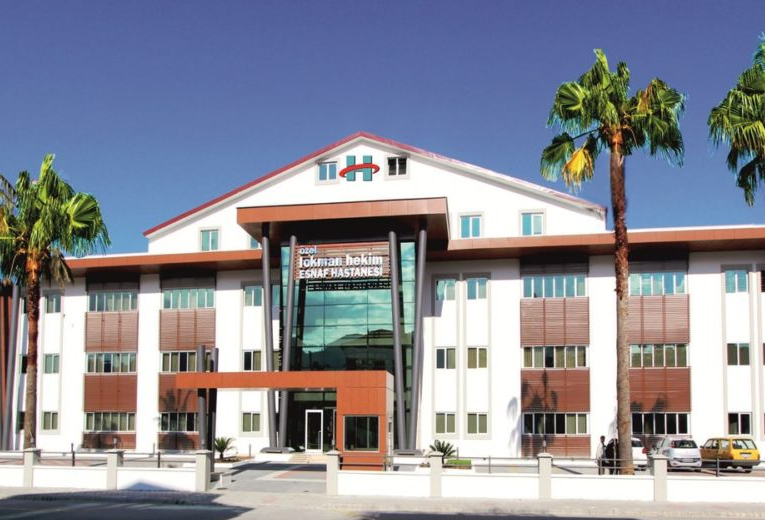
Lokman Hekim Esnaf Hospital is a trusted healthcare provider for Pulmonary Valve Replacement, offering advanced structural and congenital heart care supported by experienced cardiac specialists and modern medical infrastructure. Established in 1997, the JCI hospital is situated in Fethiye, Turkey and has 75 beds.
Pulmonary Valve Replacement can help restore normal blood flow when the pulmonary valve becomes severely narrowed, leaky, or damaged. It is commonly considered in patients with congenital heart conditions and may also be required following previous cardiac procedures. Depending on the patient's anatomy and clinical needs, treatment may involve surgical valve replacement or transcatheter pulmonary valve implantation. Comprehensive cardiac evaluation before treatment helps determine the most appropriate approach.
Choosing Instituto Oftalmologico Quironsalud Dexeus for Pulmonary Valve Replacement gives patients access to experienced cardiac surgeons, interventional cardiologists, advanced imaging technology, and comprehensive heart care. Established in 1999, the JCI hospital in Barcelona, Spain it has adequate bed capacity and provides specialized cardiovascular services.
Pulmonary Valve Replacement may be advised for patients with significant pulmonary valve stenosis or regurgitation that affects right ventricular function or causes symptoms. The procedure replaces the diseased valve with a prosthetic valve to improve blood flow from the right ventricle to the lungs. Depending on factors such as age, anatomy, previous surgery, and valve condition, doctors may recommend surgical or catheter-based replacement. Detailed imaging and cardiac testing are performed before treatment.
Kuala Lumpur, Malaysia
Choosing Bukit Tinggi Medical Centre for Pulmonary Valve Replacement gives patients access to experienced cardiac surgeons, interventional cardiologists, advanced imaging technology, and comprehensive heart care. Established in 2016, the MSQH hospital in Kuala Lumpur, Malaysia has 171 beds and provides specialized cardiovascular services.
Pulmonary Valve Replacement may be advised for patients with significant pulmonary valve stenosis or regurgitation that affects right ventricular function or causes symptoms. The procedure replaces the diseased valve with a prosthetic valve to improve blood flow from the right ventricle to the lungs. Depending on factors such as age, anatomy, previous surgery, and valve condition, doctors may recommend surgical or catheter-based replacement. Detailed imaging and cardiac testing are performed before treatment.
Rajagiri Hospital is a trusted healthcare provider for Pulmonary Valve Replacement, offering advanced structural and congenital heart care supported by experienced cardiac specialists and modern medical infrastructure. Established in 2014, the JCI hospital is situated in Kochi, India and it has adequate bed capacity.
Pulmonary Valve Replacement can help restore normal blood flow when the pulmonary valve becomes severely narrowed, leaky, or damaged. It is commonly considered in patients with congenital heart conditions and may also be required following previous cardiac procedures. Depending on the patient's anatomy and clinical needs, treatment may involve surgical valve replacement or transcatheter pulmonary valve implantation. Comprehensive cardiac evaluation before treatment helps determine the most appropriate approach.
Choosing Fortis Hiranandani Hospital for Pulmonary Valve Replacement gives patients access to experienced cardiac surgeons, interventional cardiologists, advanced imaging technology, and comprehensive heart care. Established in 2007, the NABH hospital in Mumbai, India has 149 beds and provides specialized cardiovascular services.
Pulmonary Valve Replacement may be advised for patients with significant pulmonary valve stenosis or regurgitation that affects right ventricular function or causes symptoms. The procedure replaces the diseased valve with a prosthetic valve to improve blood flow from the right ventricle to the lungs. Depending on factors such as age, anatomy, previous surgery, and valve condition, doctors may recommend surgical or catheter-based replacement. Detailed imaging and cardiac testing are performed before treatment.
Choosing Jaypee Hospital for Pulmonary Valve Replacement gives patients access to experienced cardiac surgeons, interventional cardiologists, advanced imaging technology, and comprehensive heart care. Established in 2014, the NABH, JCI hospital in Noida, India has 1200 beds and provides specialized cardiovascular services.
Pulmonary Valve Replacement may be advised for patients with significant pulmonary valve stenosis or regurgitation that affects right ventricular function or causes symptoms. The procedure replaces the diseased valve with a prosthetic valve to improve blood flow from the right ventricle to the lungs. Depending on factors such as age, anatomy, previous surgery, and valve condition, doctors may recommend surgical or catheter-based replacement. Detailed imaging and cardiac testing are performed before treatment.
Fortis Hospital, Shalimar Bagh is a trusted healthcare provider for Pulmonary Valve Replacement, offering advanced structural and congenital heart care supported by experienced cardiac specialists and modern medical infrastructure. Established in 2010, the NABH hospital is situated in Delhi, India and has 262 beds.
Pulmonary Valve Replacement can help restore normal blood flow when the pulmonary valve becomes severely narrowed, leaky, or damaged. It is commonly considered in patients with congenital heart conditions and may also be required following previous cardiac procedures. Depending on the patient's anatomy and clinical needs, treatment may involve surgical valve replacement or transcatheter pulmonary valve implantation. Comprehensive cardiac evaluation before treatment helps determine the most appropriate approach.
Mumbai, India
Wockhardt Hospital - A new Age Hospital offers advanced Pulmonary Valve Replacement using modern cardiac surgical and interventional techniques and internationally accepted treatment protocols. Established in 2014, the NABH, NABL, JCI hospital is located in Mumbai, India and has 350 beds, providing comprehensive cardiac care for local and international patients.
Pulmonary Valve Replacement may be recommended for patients with severe pulmonary valve stenosis, pulmonary valve regurgitation, or valve damage associated with congenital heart disease or previous cardiac surgery. Depending on the patient's condition, the valve may be replaced through open-heart surgery or a catheter-based procedure such as transcatheter pulmonary valve replacement. Before treatment, doctors assess valve function, heart anatomy, and overall cardiac health through imaging and other tests. Regular follow-up helps monitor valve performance and recovery.
At Seven Hills Hospital, Pulmonary Valve Replacement is performed using advanced cardiac surgical and catheter-based techniques, with treatment plans tailored to each patient's condition. Established in 1986, this NABH, NABL, JCI hospital in Mumbai, India has 1500 beds and provides comprehensive cardiovascular care.
Pulmonary Valve Replacement may be considered when a diseased pulmonary valve significantly affects blood flow between the right ventricle and pulmonary artery. The procedure may be performed surgically or, in selected patients, using a minimally invasive catheter-based approach. Doctors generally conduct echocardiography, cardiac imaging, and other assessments before treatment to evaluate the valve and surrounding structures. Post-procedure monitoring and regular cardiology follow-up help assess valve function and overall recovery.
Sri Ramachandra Medical Centre is a trusted healthcare provider for Pulmonary Valve Replacement, offering advanced structural and congenital heart care supported by experienced cardiac specialists and modern medical infrastructure. Established in 1985, the JCI, NABH hospital is situated in Chennai, India and has 1800 beds.
Pulmonary Valve Replacement can help restore normal blood flow when the pulmonary valve becomes severely narrowed, leaky, or damaged. It is commonly considered in patients with congenital heart conditions and may also be required following previous cardiac procedures. Depending on the patient's anatomy and clinical needs, treatment may involve surgical valve replacement or transcatheter pulmonary valve implantation. Comprehensive cardiac evaluation before treatment helps determine the most appropriate approach.

Nicole Dzouali, a 35-year-old originally from Cameroon, experienced sudden-onset episodes of breathlessness for a few months and never thought of them as more than stress-induced.