Browse verified doctors or let our care team help you find the doctor best suited to your condition, treatment goals, and budget.

Delhi, India
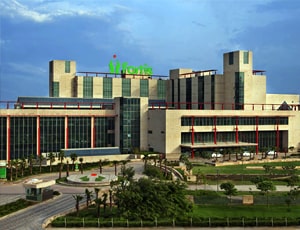
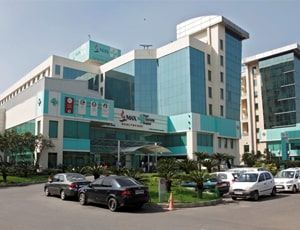
At BLK-Max Super Speciality Hospital, Blalock–Thomas–Taussig shunt (BT Shunt) is performed using advanced pediatric cardiac surgery techniques and individualized treatment plans based on the child's heart defect and pulmonary blood flow. Established in 1959, this JCI, NABH hospital in Delhi, India has 650 beds and provides comprehensive congenital heart disease services.
A BT Shunt may be recommended for selected infants and children with congenital heart defects in which blood flow to the lungs is significantly reduced. During the procedure, a synthetic vascular graft is placed between a systemic artery and the pulmonary artery to provide an alternative route for blood to reach the lungs. The shunt is generally used as part of staged treatment rather than as a definitive repair of the underlying heart defect. Careful postoperative monitoring helps assess oxygenation and shunt function.
Choosing Gleneagles Hospital Mumbai for Blalock–Thomas–Taussig shunt (BT Shunt) gives patients access to experienced pediatric cardiac specialists, advanced operating facilities, and specialised postoperative cardiac intensive care. Established in 1996, the JCI hospital in Mumbai, India has 450 beds and provides comprehensive congenital heart services.
A Blalock-Thomas-Taussig Shunt (BT Shunt) may be considered when a congenital heart defect causes insufficient pulmonary blood flow and low oxygen levels. The procedure establishes a controlled connection between a systemic artery and a pulmonary artery via a vascular graft, thereby increasing blood flow to the lungs. Doctors evaluate the child's anatomy, oxygen saturation, pulmonary arteries, and overall clinical condition before surgery. After the procedure, close monitoring is required to assess oxygenation, circulation, and shunt patency.
Ghaziabad, India
Choosing Max Super Specialty Hospital, Vaishali for Blalock–Thomas–Taussig shunt (BT Shunt) gives patients access to experienced pediatric cardiac specialists, advanced operating facilities, and specialised postoperative cardiac intensive care. Established in 2008, the NABL, NABH hospital in Ghaziabad, India has 370 beds and provides comprehensive congenital heart services.
A Blalock-Thomas-Taussig Shunt (BT Shunt) may be considered when a congenital heart defect causes insufficient pulmonary blood flow and low oxygen levels. The procedure establishes a controlled connection between a systemic artery and a pulmonary artery via a vascular graft, thereby increasing blood flow to the lungs. Doctors evaluate the child's anatomy, oxygen saturation, pulmonary arteries, and overall clinical condition before surgery. After the procedure, close monitoring is required to assess oxygenation, circulation, and shunt patency.
Indraprastha Apollo Hospital provides specialized Blalock–Thomas–Taussig shunt (BT Shunt) with a focus on pediatric cardiac expertise, precise shunt placement, oxygenation support, and comprehensive congenital heart care. Established in 1996, the JCI hospital is located in Delhi, India and operates 710 beds with modern pediatric cardiac infrastructure.
A Blalock-Thomas-Taussig Shunt is an established palliative surgical technique used to provide pulmonary blood flow in selected children with cyanotic congenital heart disease. During surgery, a conduit is positioned between a systemic artery and the pulmonary artery, allowing oxygen-poor blood to reach the lungs for oxygenation. The procedure does not correct the underlying heart defect and is commonly used as part of a staged treatment strategy. Detailed preoperative cardiac assessment and intensive postoperative monitoring help guide care and identify potential complications.
Delhi, India
Max Super Speciality Hospital, Patparganj provides specialized Blalock–Thomas–Taussig shunt (BT Shunt) with a focus on pediatric cardiac expertise, precise shunt placement, oxygenation support, and comprehensive congenital heart care. Established in 2005, the NABH, NABL, AACI hospital is located in Delhi, India and operates 400 beds with modern pediatric cardiac infrastructure.
A Blalock-Thomas-Taussig Shunt is an established palliative surgical technique used to provide pulmonary blood flow in selected children with cyanotic congenital heart disease. During surgery, a conduit is positioned between a systemic artery and the pulmonary artery, allowing oxygen-poor blood to reach the lungs for oxygenation. The procedure does not correct the underlying heart defect and is commonly used as part of a staged treatment strategy. Detailed preoperative cardiac assessment and intensive postoperative monitoring help guide care and identify potential complications.
Fortis Hospital is a trusted healthcare provider for Blalock–Thomas–Taussig shunt (BT Shunt), offering specialised congenital heart surgery supported by experienced pediatric cardiologists, cardiothoracic surgeons, and intensivists, as well as modern cardiac infrastructure. Established in 2006, the JCI, NABH hospital is situated in Mohali, India and has 276 beds.
Blalock-Thomas-Taussig Shunt is a palliative procedure designed to increase pulmonary blood flow in children with certain cyanotic congenital heart conditions. The shunt connects a systemic arterial blood supply to the pulmonary circulation, allowing additional blood to reach the lungs for oxygenation. It may be performed when native pulmonary blood flow is inadequate and is often part of a staged surgical pathway before further corrective or palliative procedures. Echocardiography, cardiac catheterisation, and other investigations may be used to plan treatment.
Delhi, India
Fortis Flt. Lt. Rajan Dhall Hospital provides specialized Blalock–Thomas–Taussig shunt (BT Shunt) with a focus on pediatric cardiac expertise, precise shunt placement, oxygenation support, and comprehensive congenital heart care. Established in 2006, the NABH hospital is located in Delhi, India and operates 162 beds with modern pediatric cardiac infrastructure.
A Blalock-Thomas-Taussig Shunt is an established palliative surgical technique used to provide pulmonary blood flow in selected children with cyanotic congenital heart disease. During surgery, a conduit is positioned between a systemic artery and the pulmonary artery, allowing oxygen-poor blood to reach the lungs for oxygenation. The procedure does not correct the underlying heart defect and is commonly used as part of a staged treatment strategy. Detailed preoperative cardiac assessment and intensive postoperative monitoring help guide care and identify potential complications.
At Fortis Hospital, Mulund, Blalock–Thomas–Taussig shunt (BT Shunt) is performed using advanced pediatric cardiac surgery techniques and individualized treatment plans based on the child's heart defect and pulmonary blood flow. Established in 2002, this JCI, NABH hospital in Mumbai, India has 315 beds and provides comprehensive congenital heart disease services.
A BT Shunt may be recommended for selected infants and children with congenital heart defects in which blood flow to the lungs is significantly reduced. During the procedure, a synthetic vascular graft is placed between a systemic artery and the pulmonary artery to provide an alternative route for blood to reach the lungs. The shunt is generally used as part of staged treatment rather than as a definitive repair of the underlying heart defect. Careful postoperative monitoring helps assess oxygenation and shunt function.
Choosing Max Super Speciality Hospital, Saket for Blalock–Thomas–Taussig shunt (BT Shunt) gives patients access to experienced pediatric cardiac specialists, advanced operating facilities, and specialised postoperative cardiac intensive care. Established in 2006, the JCI, NABH hospital in Delhi, India has 539 beds and provides comprehensive congenital heart services.
A Blalock-Thomas-Taussig Shunt (BT Shunt) may be considered when a congenital heart defect causes insufficient pulmonary blood flow and low oxygen levels. The procedure establishes a controlled connection between a systemic artery and a pulmonary artery via a vascular graft, thereby increasing blood flow to the lungs. Doctors evaluate the child's anatomy, oxygen saturation, pulmonary arteries, and overall clinical condition before surgery. After the procedure, close monitoring is required to assess oxygenation, circulation, and shunt patency.
Gurgaon, India
Choosing Fortis Memorial Research Institute for Blalock–Thomas–Taussig shunt (BT Shunt) gives patients access to experienced pediatric cardiac specialists, advanced operating facilities, and specialised postoperative cardiac intensive care. Established in 2013, the JCI, NABH, NABL hospital in Gurgaon, India has 311 beds and provides comprehensive congenital heart services.
A Blalock-Thomas-Taussig Shunt (BT Shunt) may be considered when a congenital heart defect causes insufficient pulmonary blood flow and low oxygen levels. The procedure establishes a controlled connection between a systemic artery and a pulmonary artery via a vascular graft, thereby increasing blood flow to the lungs. Doctors evaluate the child's anatomy, oxygen saturation, pulmonary arteries, and overall clinical condition before surgery. After the procedure, close monitoring is required to assess oxygenation, circulation, and shunt patency.
Asian Institute of Medical Sciences provides specialized Blalock–Thomas–Taussig shunt (BT Shunt) with a focus on pediatric cardiac expertise, precise shunt placement, oxygenation support, and comprehensive congenital heart care. Established in 2010, the NABL, NABH hospital is located in Faridabad, India and operates 425 beds with modern pediatric cardiac infrastructure.
A Blalock-Thomas-Taussig Shunt is an established palliative surgical technique used to provide pulmonary blood flow in selected children with cyanotic congenital heart disease. During surgery, a conduit is positioned between a systemic artery and the pulmonary artery, allowing oxygen-poor blood to reach the lungs for oxygenation. The procedure does not correct the underlying heart defect and is commonly used as part of a staged treatment strategy. Detailed preoperative cardiac assessment and intensive postoperative monitoring help guide care and identify potential complications.
Bai Jerbai Wadia Hospital for Children is a trusted healthcare provider for Blalock–Thomas–Taussig shunt (BT Shunt), offering specialised congenital heart surgery supported by experienced pediatric cardiologists, cardiothoracic surgeons, and intensivists, as well as modern cardiac infrastructure. Established in 1929, the AACI hospital is situated in Mumbai, India and has 350 beds.
Blalock-Thomas-Taussig Shunt is a palliative procedure designed to increase pulmonary blood flow in children with certain cyanotic congenital heart conditions. The shunt connects a systemic arterial blood supply to the pulmonary circulation, allowing additional blood to reach the lungs for oxygenation. It may be performed when native pulmonary blood flow is inadequate and is often part of a staged surgical pathway before further corrective or palliative procedures. Echocardiography, cardiac catheterisation, and other investigations may be used to plan treatment.
VPS Lakeshore Hospital offers advanced Blalock-Thomas-Taussig Shunt (BT Shunt) surgery using modern pediatric cardiac surgical techniques and internationally accepted treatment protocols. Established in 2003, the NABH, ISO hospital is located in Kochi, India and has 350 beds, providing comprehensive congenital heart care for local and international patients.
A Blalock-Thomas-Taussig Shunt (BT Shunt) is a palliative cardiac procedure used in selected children with cyanotic congenital heart defects that result in inadequate pulmonary blood flow. The procedure creates an additional pathway for blood to flow from a systemic artery to the pulmonary arteries, thereby increasing blood flow to the lungs and improving oxygenation. Before surgery, children undergo detailed cardiac evaluation, including echocardiography and other imaging or catheter-based studies when required. Ongoing cardiac monitoring is essential after the procedure.
Manipal Hospital, Dwarka offers advanced Blalock-Thomas-Taussig Shunt (BT Shunt) surgery using modern pediatric cardiac surgical techniques and internationally accepted treatment protocols. Established in 2018, the NABH hospital is located in Delhi, India and has 380 beds, providing comprehensive congenital heart care for local and international patients.
A Blalock-Thomas-Taussig Shunt (BT Shunt) is a palliative cardiac procedure used in selected children with cyanotic congenital heart defects that result in inadequate pulmonary blood flow. The procedure creates an additional pathway for blood to flow from a systemic artery to the pulmonary arteries, thereby increasing blood flow to the lungs and improving oxygenation. Before surgery, children undergo detailed cardiac evaluation, including echocardiography and other imaging or catheter-based studies when required. Ongoing cardiac monitoring is essential after the procedure.
Choosing Dr. Rela Institute and Medical Centre for Blalock–Thomas–Taussig shunt (BT Shunt) gives patients access to experienced pediatric cardiac specialists, advanced operating facilities, and specialised postoperative cardiac intensive care. Established in 2018, the NABH, NABL hospital in Chennai, India has 450 beds and provides comprehensive congenital heart services.
A Blalock-Thomas-Taussig Shunt (BT Shunt) may be considered when a congenital heart defect causes insufficient pulmonary blood flow and low oxygen levels. The procedure establishes a controlled connection between a systemic artery and a pulmonary artery via a vascular graft, thereby increasing blood flow to the lungs. Doctors evaluate the child's anatomy, oxygen saturation, pulmonary arteries, and overall clinical condition before surgery. After the procedure, close monitoring is required to assess oxygenation, circulation, and shunt patency.

Mr. Hailu Kassa underwent Coronary Artery Bypass Surgery in Vejthani Hospital, Thailand under the supervision of Dr. Piya, Cardio-Thoracic Surgeon

Patient Testimonial: Rod Schaubroeck from United States (U.S.A) underwent heart valve replacement at Fortis Hospital, India