Explore trusted hospitals and care options, or get personalised support to find a suitable option based on your treatment needs, preferences, and budget.
3
Verified Doctors
USD 55
Min Consultation Cost
1,00,000+
Global Patients Assisted
JCI/ISO 100,000+ Patients 24X7 Coordinator Visa & Travel handled
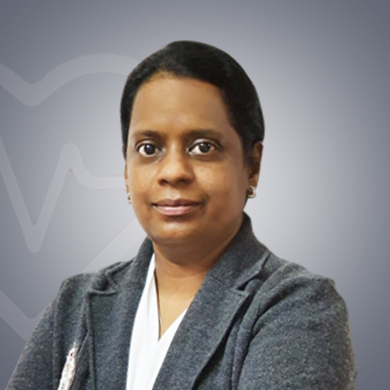
Ponni Sivaprakasam, M.B.B.S - Madras Medical College, Chennai, India, January 2002. , is a Hematologist based in Chennai, India. The doctor has 16 years of professional experience. Ponni Sivaprakasam areas of expertise include Orthopedic Conditions, Acute Myelogenous Leukemia (AMI), Thalassemia, Aplastic Anemia, Spinal Injury.
Work Experiences
Staff Grade - Oncology Christie’s Hospital, (Paed/Adolescent Oncology) Manchester, U.K August 06 to May 2007
Senior SHO Royal Manchester Children’s, (Paed Haem/Onc) & Christie’s Hospital, Manchester, U.K, February 2005 to August 2006
Senior House Officer Royal Manchester Children’s (Paediatric Rotation - Hospital, Haem/Onc, Neuro, Manchester, U.K Cardio/ Resp, Nephro), August 2004 to February 2005
Senior House Officer Bradford Royal Infirmary, (Neonatology) Bradford, U.K, February 2004 to August 2004
Senior House Officer Whiston Hospital, (General Paediatrics) Prescot, Merseyside, U.K August 2003 to February 2004
Senior House Officer Queens Hospital, (Paeds & Neonatology) Burton upon Trent, U.K, February 2003 to August 2003
Deenadayalan M, MBBS - PSG Institute of Medical Sciences, 1995 , is a Hematologist based in Chennai, India. The doctor has 29 years of professional experience. Deenadayalan M areas of expertise include Congenital Neutropenia, Aplastic Anemia, Neuromuscular Disorders, Orthopedic Conditions, Acute Lymphocytic Leukemia.
Work Experiences
Paediatric Haemato-oncology, Consultant at Apollo Specialty Hospital
Paediatric Haemato-oncology, Junior Consultant at Apollo Specialty Hospital
General Paediatrics, Junior Consultant at Kanchi Kamakoti Childs Trust Hospital
Frequently Asked Questions
Who are the top Hematologists in Chennai, India offering online consultation?
Given below are some of the most sought after Hematologists available for online consultation in Chennai, India:
Which are some of the conditions treated by Hematologist in Chennai, India?
Listed below are some of the most common conditions performed by hematologists in Chennai, India are:
Lymphoma
Spinal Injury
Leukemia
Sickle Cell Disease
Thalassemia
Congenital Neutropenia
Hematological Disorders
Acute Myelogenous Leukemia (AMI)
Acute Lymphocytic Leukemia
Neuromuscular Disorders
Multiple Myeloma
Aplastic Anemia
Orthopedic Conditions
Who is a Hematologist?
Hematologists are internal medicine doctors who have training in disorders related to the bone marrow, blood, and lymphatic system. They may work in hospitals, clinics, or blood banks. Hematologists who practice in labs are called hematopathologists. They are well- trained in pathology, a branch of medicine that studies body tissues and the blood with microscopes or tests.
If your primary care physician has advised you to see a hematologist, it might be because you are at risk for a disease involving the red or white blood cells, blood vessels, platelets, bone marrow, spleen, and lymph nodes.
A hematologist:
Diagnoses and treats chronic and acute diseases that affect the blood including issues with blood clotting, blood cell production, and cancer
Provides screening of blood disorders, such as sickle cell anemia, hemophilia
Performs a physical exam and studies the patient’s personal as well as family medical history
Orders and evaluates blood and genetic tests and also prescribes medications
A hematologist may also be known by the following names: blood disease specialist or blood doctor.
What are the qualifications of a Hematologist?
When choosing a hematologist, board certification plays a key role. A doctor might treat patients with blood disorders and conditions without being board certified in hematology. However, training, education, experience and certification establish the hematologist’s level of competence. Also, board certification tells whether the doctor has completed a training program and cleared an exam demonstrating their expertise in hematology.
This is the pathway:
• Graduation in medicine (MBBS) followed by post graduation programme (MD or DO).
• Residency training as well as certification exam in internal medicine
• More training (fellowship programs) and certification exams in hematology.
What conditions do Hematologists treat?
A hematologist treats conditions that involve the blood including:
Anemia
Bleeding disorders including von Willebrand disease and hemophilia
Blood cancer including lymphoma, leukemia and myeloma
Blood clots and clotting disorders, such as deep vein thrombosis
HIV/AIDs including anemia and AIDs-related lymphoma
Iron storage disorders including hemochromatosis
Malaria
Spinal Injury
Sickle Cell Disease
Hematological Disorders
Acute Myelogenous Leukemia
Thalassemia
Congenital Neutropenia
Acute Lymphocytic Leukemia
Aplastic Anemia
Orthopedic Conditions
Neuromuscular Disorders
Multiple Myeloma
What diagnostic tests are required by a Hematologist?
A hematologist can order a wide variety of diagnostic tests, such as:
Biopsy
Blood plasma and platelet tests
Genetic testing for sickle cell anemia and hemophilia
Laboratory tests including complete blood count
Erythrocyte sedimentation rate
International normalized ratio
Partial thromboplastin time
Prothrombin time
When should you visit a Hematologist?
Your primary care doctor may tell you to see a hematologist if you have the following symptoms:
Irregular heartbeat, whooshing sound in the ears, pale or yellow skin
Bleeding disorder symptoms like bleeding gums, bruising, excessive bleeding when cut, heavy menstrual bleeding, and unexplained nosebleeds
Blood clotting disorder symptoms
Fever, fatigue, headaches, chills, weakness, night sweats, swollen tonsils
Lymphoma symptoms, such as fever, swollen lymph nodes, weakness, fatigue, sweating, weight loss, chest pain
Myeloma symptoms like anemia, bone pain, fractures, and weight loss.
Sickle cell anemia symptoms including swelling of the hands and feet, and dark urine
What can you expect from your first visit with a Hematologist?
You might not always come face to face with a hematologist. They often work closely with your pediatrician, internist, oncologist, or other primary doctor to study your test results or to evaluate your condition. A lab technician who collects your blood sample isn’t a doctor.
They will conduct a physical exam to test the functioning of the body. In addition to tests and physical exams, you could get a lot of information at your first appointment. You may need to bring a family member or friend along with you. The person you bring can help ask questions, listen, and take notes.
Which are the most common procedures performed by a Hematologist?
Some popular procedures performed by hematologists are:
CAR-T
Bone Marrow Transplant
Stem Cell Therapy
Blood transfusion
Chemotherapy
Immunotherapy
Ablation therapy
FAQs related to India
Which are the most common Medical Specialities available in Chennai, India