Your Notifications
All done, no notifications

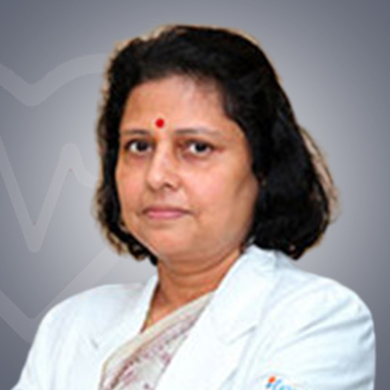
Dr. Smita Mishra

Pediatric Cardiologist

, Delhi, India

37 Years of experience

Speaks: Hindi , English


Dr Smita Mishra is one of the leading Cardiologist in New Delhi, India. The clinician holds over 25 years of experience and is associated with Manipal Hospital, Dwarka.

Association and Memberships Dr. Smita Mishra is part of:

  • Indian academy of Pediatrics
  • Peadiatric cardiology society of India
  • Neonatology Forum India
  • Indian Fetal society
  • Indian academy of Echocardiography
  • Delhi Medical association
  • Indian Medical Association

Qualifications :

  • MBBS
  • MD
  • FNB

Hospital Address :

Manipal Hospital Dwarka, Palam Vihar, Sector 6 Dwarka, Dwarka, New Delhi, Delhi, India

Medical Expertise of Dr. Smita Mishra

  • Dr. Smita specializes in Interventional Pediatric Cardiology, and Noninvasive Pediatric Cardiology.
  • She is quite efficient in treating and managing Atrial Septal Defects, Congenital Valve Problems, Arrhythmias, Congenital Heart Disease, Kawasakis disease etc.
  • With her competence and talents, Dr. Smita Mishra has established a good reputation in Delhi as one of the leading Paediatric Cardiology experts.
  • She is currently employed as a HOD Pediatric at Manipal Hospitals.
  • In 2007, she convened the first National Consensus Meeting on Rheumatic Fever and Rheumatic Heart Diseases in Children.
  • Dr. Smita is a member of several renowned organizations including Indian Academy of Paediatrics, Peadiatric cardiology society of India, Neonatology Forum India, IFS, IAEG, DMA, IMA
Frequently Asked Questions
Who are the top Pediatric Cardiologists offering online consultation?

Listed below are some of the top pediatric cardiologists available for online consultation:

Which are some of the procedures performed by Pediatric Cardiologists?

Some of the most popular procedures performed by pediatric cardiologists are:

Which are some of the conditions treated by Pediatric Cardiologist?

Listed below are some of the most common conditions performed by pediatric cardiologists are:

  • Patent Ductus Arteriosus
  • Transient ischemic attacks
  • Blocked Arteries
  • Stroke
  • Patent Foramen Ovale
  • Atrial Septal Defect
Who is a Pediatric Cardiologist?

Pediatric cardiologists specialize in diagnosing and treating heart problems in children. In children who need heart surgery, pediatric cardiologists work very closely with pediatric heart surgeons to find the best treatments and interventions.

A number of heart conditions could affect children. Some may be due to structural differences they are born with. Others might involve the electrical system, which controls the heartbeat. Pediatric cardiologists are trained to diagnose as well as manage these problems. In case you have a concern about your child’s heart, discuss with your pediatrician to know if referral to a pediatric cardiologist is required.

Pediatric cardiologists work very closely with primary care pediatricians to provide comprehensive care. As heart problems could be complex and come with other problems in children, pediatric cardiologists often work with other health care providers. These include cardiac anesthesiologists, pediatric heart surgeons, neonatologists, pediatric radiologists, cardiac pediatric intensivists, as well as nutritionists, pediatric nurses, and speech, occupational, and physical therapists. These teams have rigorous training in the special needs of children with heart diseases and are particularly suited to their needs.

Pediatric cardiologists have training as well as expertise in dealing with children and in treating heart problems in children. If your pediatrician tells you that your child should see a pediatric cardiologist, you could be assured that your child would receive the best care.

What are the qualifications of a Pediatric Cardiologist?

Becoming a pediatric cardiologist oncologist involves the below educational steps:

  • Obtain five-and-half-year MBBS degree
  • Complete MD course.
  • Finish three years of pediatric residency
  • About 3 or more years of fellowship training in pediatric cardiology
  • Some pediatric cardiologists spend at least 1 to 2 years of fellowship to focus on special skills to diagnose as well as treat heart diseases in children.
What conditions do Pediatric cardiologists treat?

Below are some conditions treated by pediatric cardiologists:

  • Blocked Arteries
  • Stroke
  • Patent Foramen Ovale
  • Patent Ductus Arteriosus
  • Transient ischemic attacks
  • Atrial Septal Defect
  • Arrhythmia
  • Ventricular septal defects
What diagnostic tests are required by Pediatric Cardiologist?

When referred to a pediatric cardiologist, most children and parents don’t know what to expect. Generally, cardiology-related tests are pain-free and allow cardiologists to have a proper view of the heart. The most common cardiology tests are listed below:

  • Echocardiography
  • Electrocardiogram
  • Chest X-ray
  • Stress test
  • Holter monitor
  • Cardiac CT scan
  • MRI
  • Diagnostic Cardiac Catheterization
  • Electrophysiology Study
When should you visit a Pediatric Cardiologist?

Here are some common signs that indicate that children need to visit a pediatric cardiologist:

  • Heart murmur
  • Chest pains
  • Palpitations
  • High blood pressure
  • Shortness of breath, dizziness
  • Vomiting, indigestion, nausea
What can you expect from your first visit with a Pediatric Cardiologist?

Your child might have some tests before you see the pediatric cardiologist. These may include echocardiogram, electrocardiogram, or chest X-rays. The doctor would evaluate your child's test results. During the visit, the doctor asks questions and performs a physical examination. The doctor would let you know if they think that your child would need further tests. They might prescribe or adjust medication and will tell you when you might need a follow-up visit. In certain cases, the doctor might refer you to a child’s heart surgeon.

Which are the most common procedures performed by a Pediatric Cardiologist?
  • Patent Ductus Arteriosus closure
  • Tetralogy of Fallot treatment
  • Electrocardiogram (ECG)
  • Atrial Septal Defect repair
  • Ventricular Septal Defect repair
  • Coarctation of Aorta repair
  • Exercise testing
  • Cardiac event recording
  • Advanced imaging – CT/MRI
  • Diagnostic and therapeutic catheterization
  • Pediatric cardiac transplantation
  • Ultrasound scans of the heart
  • Chest x-ray
  • Balloon atrial septostomy