Your Notifications
All done, no notifications

4 Specialists

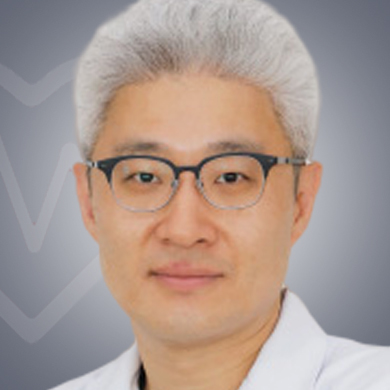
Dr. Cho Jin Mo

Neurosurgeon

Seoul, South Korea

22 Years of experience

Speaks: Korean , English


Dr. Cho Jin Mo is a specialized Neurosurgeon in South Korea. And one of the most sought after medical specialists in seoul, South Korea. The doctor has over 22 Years of experience and is associated with .

What is the medical expertise of Dr Cho Jin Mo?

  • Dr Cho Jin Mo is a renowned neurosurgeon with 22 years of experience. He specializes in a range of neurological conditions including traumatic brain injury, brain tumours, and gliomas. Dr Cho can efficiently perform micro neurosurgery and is an expert in neuroanatomy and neuro-oncology.
  • Over the course of his career, Dr Cho has published many research papers in leading scientific journals. Some of these are:
    1. Baik SH, Kim SY, Na YC, Cho JM. Supratotal Resection of Glioblastoma: Better Survival Outcome than Gross Total Resection. Journal of Personalized Medicine. 2023; 13(3):383.
    2. Jang, C.K., Park, S.J., Kim, E.H. et al. Pedicled frontal periosteal rescue flap via eyebrow incision for skull base reconstruction (SevEN-002). BMC Surg 22, 151 (2022).
    3. Cho JM, Sung KS, Jung IH, Chang WS, Jung HH, Chang JH. Temporal Volume Change of Cavernous Sinus Cavernous Hemangiomas after Gamma Knife Surgery. Yonsei Med J. 2020 Nov;61(11):976-980.
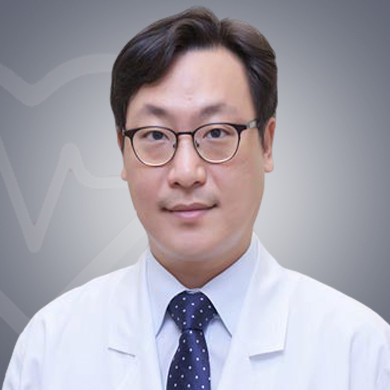
Dr. Hwang Chang Joo

Neurosurgeon

, Seoul, South Korea

24 Years of experience

Speaks: English


Dr. Hwang Chang Joo is a specialized Neurosurgeon in South Korea. And one of the most sought after medical specialists in Seoul, South Korea. The doctor has over 24 Years of experience and is associated with Asan Medical Centre.

Qualifications :

  • 2006 to 2009 Ph.D. in Medicine, Seoul National University
  • 2001 to 2006 Master of Medicine, Seoul National University
  • 1990 to 1997 B.A. in Medicine, Seoul National University

Hospital Address :

Asan Medical Center, Olympic-ro 43-gil, Pungnap 2(i)-dong, Songpa-gu, Seoul, South Korea
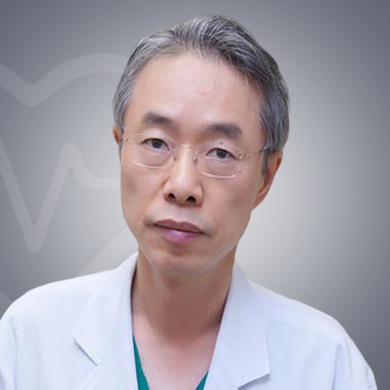
Dr. Yi Chun Sung

Neurosurgeon

, Seoul, South Korea

42 Years of experience

Speaks: English, korean


Dr. Yi Chun Sung is a specialized Neurosurgeon in South Korea. And one of the most sought after medical specialists in Seoul, South Korea. The doctor has over of experience and is associated with Asan Medical Centre.

Qualifications :

  • 1983 to 1991 Ph.D. in Medicine, Seoul National University
  • 1981 to 1983 Master of Medicine, Seoul National University
  • 1974 to 1980 B.A. in Medicine, Seoul National University

Hospital Address :

Asan Medical Center, Olympic-ro 43-gil, Pungnap 2(i)-dong, Songpa-gu, Seoul, South Korea

Do you know?

Using MediGence’s Telemedicine Platform, you can book a personalized video consultation with renowned doctors around the world

Explore Telemedicine Platform

Featured Telemedicine Doctors

Dr. Young Shin Ra

Pediatric Neurosurgeon

, Seoul, South Korea

28 Years of experience

Speaks: Korean , English


Dr. Young Shin Ra is a specialized Pediatric Neurosurgeon in South Korea. And one of the most sought after medical specialists in Seoul, South Korea. The doctor has over 28 Years of experience and is associated with Asan Medical Centre.

Certifications :

  • Fellowship in UUCM AMC

Qualifications :

  • Doctor of Medicine : Yonsei University
  • Bachelor of Medicine : Yonsei University
  • Master of Medicine : Yonsei University

Hospital Address :

Asan Medical Center, Olympic-ro 43-gil, Pungnap 2(i)-dong, Songpa-gu, Seoul, South Korea

Online Pediatric Neurosurgeon Consultations in the South Korea

About Pediatric Neurosurgeon

A pediatric neurosurgeon is a doctor specialized in the medical and surgical treatment of the conditions and disorders related to the nervous system of children. Nervous system is comprised of two parts: central nervous system constituting brain and spinal cord and peripheral nervous system comprising of the nerves that branch out off the spinal cord. While a neurosurgeon is a specialized in treating the conditions of the nervous system requiring surgical treatment, a pediatric neurosurgeon is an expert, trained and experienced for the same specifically for pediatric patients i.e. children.

When should you consider visiting a Pediatric Neurosurgeon?

pediatric neurosurgeon does the diagnosis, treatment and management of conditions pertaining to children’s nervous system as well as head and spinal deformities including the following:

  • Head deformities
  • Spine deformities
  • Problems and injuries of the brain, spine or nerves
  • Gait abnormalities (spasticity)
  • Birth injuries (weakness of arms and legs)
  • Loss of grip in hands and feet

Procedures Performed

  • Biopsy
  • Stereotactical Biopsy
  • Debulking
  • Gross Total Resection (GTR)
  • Endonasal Endoscopy
  • Post-Surgery and Recovery
  • Tumor Board
  • Radiation
  • Stereotactic Radiation (Radiosurgery)
  • Proton Beam Therapy
  • Chemotherapy

Top Pediatric Neurosurgeons in South Korea

DoctorAssociated Hospital
Dr. Yi Chun SungAsan Medical Centre, Seoul
Dr. Young Shin RaAsan Medical Centre, Seoul
Dr. Hwang Chang JooAsan Medical Centre, Seoul
Dr. Cho Jin Mo-

About Pediatric Neurosurgeon South Korea

Which are the countries where we can find Brain And Spine Specialist?

Popular Brain And Spine Specialist in Top Countries are :

Type of Brain And Spine Specialist available in South Korea?

Top Speciality Doctors in South Korea:

Top Rated Hospitals Where We Can Find Brain And Spine Specialist in South Korea?

List of Top Rated Hospitals where we can find Brain And Spine Specialist in South Korea are as followed:

Can we get the list of Brain And Spine Specialist in South Korea in any other language?

Yes, we provide the list of Brain And Spine Specialist in South Korea in the following languages:

Frequently Asked Questions
Who are some of the top Pediatric Neurosurgeons from other countries?
Which are some of the procedures performed by Pediatric Neurosurgeons in South Korea?

Most common procedures performed by pediatric neurosurgeons in South Korea are:

Which are some of the conditions treated by Pediatric Neurosurgeon in South Korea?

Most common conditions performed by pediatric neurosurgeons in South Korea are:

  • Spina Bifida
  • Hydrocephalus
  • Epilepsy
Who is a Pediatric Neurosurgeon?

A pediatric neurosurgeon specializes in the surgical care of children with conditions of the brain and nervous systems, such as the spinal cord, muscles, nerves, and related blood vessels. Pediatric neurosurgeons diagnose as well as treat many conditions, including seizure disorders, brain tumors, and head and spinal deformities and injuries. A pediatric neurosurgeon also performs surgery on the neck, back, brain, spinal cord, and peripheral nerves to treat neurological diseases in children.

Pediatric neurosurgeons are also known by the following names: pediatric nervous system surgeon, children's brain surgeon, pediatric brain surgeon, and children’s spinal cord surgeon. Neurosurgical conditions seen by pediatric neurosurgeons are often different from those commonly treated by an adult or general neurosurgeon. Special training in pediatric conditions as they relate to pediatric neurosurgical disorders is very important. Pediatric neurosurgical conditions often are often present for life. Pediatric neurosurgeons have a longstanding relationship with their patients. Also, children with nervous system disorders generally require ongoing and close follow-up throughout adolescence and childhood.

A pediatric neurosurgeon treats, diagnoses, and manages children’s nervous system conditions and head and spinal deformities including the following:

  • Head deformities
  • Spine deformities
  • Problems and injuries of the brain, spine, or nerves
  • Gait abnormalities (spasticity)
  • Birth injuries (weakness of arms and legs)
What are the qualifications of a Pediatric Neurosurgeon?

A person has to follow the below-given educational steps to become a pediatric neurosurgeon:

  • Obtain five-and-half-year MBBS degree
  • Complete MS course
  • Finish a residency in general surgery
  • Compete General Surgery Certifying Examination
  • Pursue a fellowship in surgical neurosurgery
  • Some pediatric oncologists prefer to specialize in their area with additional research into specific types of cancer, such as skin, gynecological, or gastrointestinal. A surgical oncologist’s specialties could also be in particular age groups, like pediatrics.
What conditions do Pediatric neurosurgeons treat?

Some conditions treated by a pediatric neurosurgeon are:

  • Dyslexia
  • Muscular dystrophy
  • Dyspraxia
  • Head deformities
  • Tourette’s syndrome
  • Developmental conditions
  • Spine deformities
  • Gait abnormalities (spasticity)
  • Problems and injuries of the spine, brain, or nerves
  • Birth injuries (weakness of the legs and arms)
  • Brain Tumor
  • Obsessive-Compulsive Disorder
  • Cerebral Edema
  • Disc Pain
  • Scoliosis
  • Disc Herniation
  • Spinal Arthritis
  • Csf Obstruction
  • Tremors
  • Ependymomas
  • Chronic Depression
  • Brain Cancers
  • Pinched Nerve
  • Autism
  • Epilepsy
What diagnostic tests are required by Pediatric Neurosurgeon?

A pediatric neurosurgeon may order one or more diagnostic tests before and during the consultation to evaluate the condition and start the right treatment. A child will have to undergo neurological examination which may include the following:

  • Physical Exam
  • Spinal MRI
  • Electromyography
  • Neurological exam
  • Spinal X-ray
  • Myelogram
  • Blood Tests
  • Lumbar Puncture
  • MRI Brain
  • Lumbar Puncture
  • MRI Scans
  • Electroencephalogram
  • Electromyogram
  • Spinal tap CT
When should you visit a Pediatric Neurosurgeon?

Neurological conditions in children produce different symptoms. The parents should never ignore any such symptoms because, if left unaddressed, these may lead to severe results. Some of the symptoms that neurological conditions can produce are listed below. Your child’s pediatrician may refer them to a pediatric neurologist if they experience:

  • Severe headaches
  • Poor balance
  • Pain
  • Lack of sensation, tingling, or numbness
  • Unexplained loss of consciousness
  • Developmental delays
  • Walking issues
  • Memory loss
  • Tremors
  • Unintentional jerks
  • Seizures
  • Problems with coordination
  • Stiffness in the low back area
  • Seizures
  • Inability to maintain normal posture
  • Fatigue
  • Nausea or vomiting
  • Drowsiness
What can you expect from your first visit with a Pediatric Neurosurgeon?

The first visit to a clinic may take up to an hour. Your child will meet a pediatric neurosurgeon who is trained in treating children’s brain and nervous system diseases. The neurosurgeon will examine your child and ask some questions about their symptoms and will study any test reports. Based on the evaluation, your child may be referred for additional testing to diagnose certain conditions.

If your child had any of the following, bring the results along;

  • Lab work
  • Electroencephalogram (EEG)
  • MRI and other diagnostic imaging studies
  • Psychological/cognitive evaluation
Which are the most common procedures performed by a Pediatric Neurosurgeon?

Common procedures performed by a Pediatric Neurosurgeon are:

  • Resection of brain tumor
  • Debulking of brain tumor
  • Biopsy
  • Micro-vascular clipping
  • Surgery for nerve injury or disorder
  • Anterior Cervical Discectomy
  • Craniotomy
  • Chiari Decompression
  • Laminectomy
  • Lumbar Puncture
  • Epilepsy surgery
  • Spinal fusion
  • Microdiscectomy
  • Ventriculostomy
  • Ventriculoperitoneal Shunt

FAQs related to South Korea

How to avail online consultation with some of the top doctors in South Korea?

Telemedicine by MediGence makes virtual care for critical conditions easily accessible for you. You can talk to a specialist on a video call from your distant location, real-time screening of reports will be done and you will get the diagnosis, right then and there. You can also record the conversation to use later. We value your privacy, hence all the Healthcare records and teleconsultation are stored securely on HIPAA compliant servers on Cloud.

Follow the simple steps at our Telemedicine platform to book an appointment with a doctor

  • Simply search for the Doctor by a specialty/name
  • Select the best-suited Doctor for you
  • Choose your day for consultation
  • Fill in the details- Name, Mail id, Contact, Describe your symptoms, upload your reports
  • At last, Pay online via Paypal to Book an Appointment for a video consultation with the top renowned doctors/specialists in Thailand

Benefits of Telemedicine :

  • Patient Engagement Increases
  • Reduced Admission Rates and Better Mental Health
  • Cost and Time Saving
  • Optimizing Medications Intake and Reducing Outpatient Visits
  • Keeping medical records and reports up to date
How to choose some of the best rated doctors in South Korea?

Once you have consulted people in your network and researched through various sources the credentials of the doctors, their reviews and referrals, the next step is to zero in further on the basis of their specific skills. The best rated and reviewed doctors in South Korea can be chosen based on the below mentioned and outlined criteria via MediGence.com.

  • Communication skills - A doctor's communication skills are crucial in a variety of situations, including patient contact, staff collaboration, and talking with family members. They must be able to explain what is happening to their patients in a clear and simple manner, ensuring that they comprehend what is going on while staying professional and pleasant. They will also be part of a multi-disciplinary team, and it is vital that they communicate accurately with the other team members.
  • Capable of working in a team - There is no doctor who works on their own. Interdisciplinary teams are common in medical environments, and they will have to collaborate with other doctors, nurses, healthcare assistants, physiotherapists, social workers, and a variety of other professionals. They will be dealing with these employees on a daily basis, therefore it is critical that they are able to interact effectively with others in order to provide the greatest care for their patients. This necessitates them contributing ideas and assisting when possible, as well as delegating any tasks they require and according to any orders given.
  • Work ethics and compassion - A doctor's scientific brilliance may enable them to cure their patients, but without compassion, they will not be the greatest doctor they can be. They must be concerned about their patients' well-being. A doctor helps other people, and they can't do it regularly if they don't care about their patients' well-being. A strong work ethic is also important, but compassion is the attribute that will motivate a doctor to move out of bed at 2 a.m. when they are on call to assist someone who is in need.
  • Organizational Skills - As a doctor, you must juggle a large number of patients, sometimes across numerous wards and even at opposite ends of a hospital. It's easy to become overloaded with patient contact, paperwork, as well as meetings. This is where having good organizational abilities comes in handy. Knowing which activities are critical and which can wait will make one's job much easier, ensuring that patients receive the best possible care while also meeting their specific deadlines.
  • Professionalism - Even as it is a noble profession, being a doctor is a job, and as such, professionalism is essential. This entails remaining courteous, attentive, and well-dressed. One can receive complaints and be disciplined for being disrespectful to both various staff members and patients, just like in any other employment, so it's critical that one maintains a good standard of conduct while at work.

References:

Which are the most common Medical Specialities available in South Korea