Your Notifications
All done, no notifications

Top Brain and Spine Specialist in Panjim: Online Consultations

Explore trusted hospitals and care options, or get personalised support to find a suitable option based on your treatment needs, preferences, and budget.

5
Verified Doctors
1,00,000+
Global Patients Assisted
Enquire Now
+
JCI/ISO 100,000+ Patients 24X7 Coordinator Visa & Travel handled

Our Platform Features

100,000+
Consultations Completed
HIPAA
Compliant Secure & Encrypted
24-48 Hours
Expert Medical Opinion
End-to-End Support
Dedicated Care Manager
Dr. P R K Prasad

, India, Panjim

Neurosurgeon • 29 years experience

Hindi English
View Telemedicine Doctors

P R K Prasad, MCh, is a Neurosurgeon based in Panjim, India. The doctor has 29 years of professional experience. P R K Prasad areas of expertise include Pinched Nerve, Huntington's Disease, Cerebral Edema, Spinal Arthritis, Stroke.

Work Experiences

  • CHIEF NEUROSURGEON - Central Referral Hospital
  • CONSULTANT - eurocare
  • Inc.
  • SENIOR CONSULTANT NEUROSURGEON - APOLLO EMERGENCY HOSPITALS
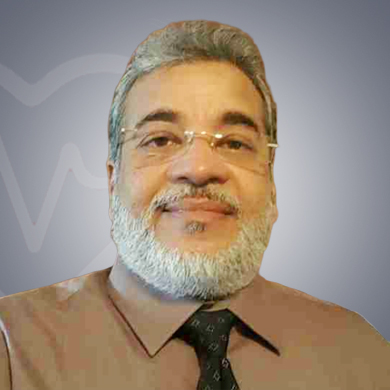
Dr. Audumbar Netalkar

, India, Panjim

Neurosurgeon • 43 years experience

English Hindi
View Telemedicine Doctors

Audumbar Netalkar, MBBS, is a Neurosurgeon based in Panjim, India. The doctor has 43 years of professional experience. Audumbar Netalkar areas of expertise include Dystonia, Dementia, Oligodendrogliomas, Epilepsy, Disc Degeneration.

Work Experiences

  • Consultant Neurosurgeon at Apollo Victor Hospitals, Margao-Goa
  • Consultant Neurosurgeon at Sir H. N. Hospital, Mumbai
  • Consultant Neurosurgeon at G. S. Medical College and K.E.M Hospital, Bombay
  • Consultant Neurosurgeon at P. D. Hinduja National Hospital, Bombay
  • Consultant Neurosurgeon at Royal Preston Hospital , UK
  • Consultant Neurosurgeon at Khoula Hospital, Muscat
  • Senior Consultant Neurosurgeon at Manipal Hospital Goa
  • Consultant Neurosurgeon at Parsee General Hospital, Mumbai
Dr. Pranathi Gutta

, India, Hyderabad

Pediatric Neurologist • 23 years experience

Telugu English
View Telemedicine Doctors

Pranathi Gutta, MBBS, Osmania Medical College, Hyderabad, 1995 - 2000, is a Pediatric Neurologist based in Panjim, India. The doctor has 23 years of professional experience. Pranathi Gutta areas of expertise include Reye Syndrome, Neurosyphilis, Meningitis, Myelitis, Brain Cancer.

Work Experiences

  • Clinical Fellow and Specialist Registrar: Paediatric Neurology andc Neuromuscular disorders (Dubowitz Neuromuscular Centre) Great Ormond Street Hospital, London. Dec 08-Oct 10.
  • Senior House Officer: Community Paediatrics (Developmental Paediatrics) Dartord, Gravesham and Swanley PCT, Kent. Feb- Aug 2004.
  • Senior House Officer: Neonatology (Neonatal Neurology and Neuromuscular Conditions) Queen Charlotte's and Chelsea Hospital (Hammersmith Hospital) London. February- August 2006.

Do you know?

Using MediGence’s Telemedicine Platform, you can book a personalized video consultation with renowned doctors around the world

Explore Telemedicine Platform

Featured Telemedicine Doctors

Dr. Parul Dubey

, India, Panjim

Neurologist • 22 years experience

Hindi English
View Telemedicine Doctors

Parul Dubey, MBBS, is a Neurologist based in Panjim, India. The doctor has 22 years of professional experience. Parul Dubey areas of expertise include Epilepsy, Meningitis, Erb's Palsy, Brachial Plexus Avulsion, Brain Stroke.

Work Experiences

  • Currently working at Manipal MEMG, Goa
Dr. Safal S Shetty

, India, Panjim

Pediatric Neurologist • 10 years experience

Hindi English
View Telemedicine Doctors

Safal S Shetty, MBBS , is a Pediatric Neurologist based in Panjim, India. The doctor has 10 years of professional experience. Safal S Shetty areas of expertise include Neurosyphilis, Brain Cancer, Encephalitis, Meningitis, Epilepsy.

Work Experiences

  • Currently working at Manipal MEMG, Goa
Frequently Asked Questions
Which are some of the best hospitals Brain And Spine Specialists in Panjim, India are associated with?

Following are some of the best clinics in Panjim, India with whom Brain And Spine Specialists are associated with:

Who is a Brain and Spine Specialist?

A brain and spine specialist specializes in the medical or surgical treatment of diseases and conditions of the brain, spine, and nervous system, including nerves, the spinal cord, muscles, and related blood vessels. They also diagnose and treat many neurological diseases, such as stroke, back problems, seizure disorders, brain and spine tumors, injuries, and birth defects. Neurosurgeons also perform surgery on the neck, back, brain, spinal cord, and peripheral nerves to treat neurological issues.

Brain and spine specialists are also experts who specialize in the prevention of brain, spine, and nervous system conditions and in reducing neurological disability. A neurologist might help your primary care doctor take care of you. A brain and spine specialist typically:

  • Evaluates a medical history and educate patients about the brain and nervous system health and disease prevention.
  • Carry out physical exams that involve evaluating blood pressure, vital signs, and the overall health of the brain and nervous system.
  • Recommends and interprets laboratory as well as imaging tests and prescribes medications.
  • Diagnoses and treats acute and chronic conditions that affect the brain, spinal cord, and nervous system including spinal cord and brain injuries and tumors, movement disorders, and different types of back problems.
  • Screens, treats, as well as monitors conditions that escalate the risk of complex brain and nervous system conditions like a head injury that can result in long-term memory loss and headaches.
  • Performs diagnostic procedures or surgery to treat brain cancer, back pain, and birth defects of the brain and spinal cord.
  • Provides direct care for spine, brain, and nervous system conditions in the clinic and hospital.
  • Works closely with a primary care doctor and other specialists and your healthcare team to provide optimal care.
What are the qualifications of a Brain and Spine Specialist?

Candidates aspiring to become a neurologist must have a 5½ years MBBS degree followed by 2 to 3 years MD/DNB course. After gaining the Master's degree, candidates have to pursue D.M. (neurology) to specialize in the field of neurology.

The first step to becoming a brain and spine specialist is to get a bachelor’s degree from an accredited college or university. Students must choose a degree that weighs heavy in the sciences. After clearing a competitive examination, a student can gain entrance into a medical school.

A medical student needs to complete a five-and-a-half-year MBBS program that prepares a student to work as a medical doctor. A student’s final two years will include clinical rotations in his or her chosen medical specialty.

A neurosurgeon residency program prepares a doctor to work in the field and also offers the opportunity to complete rotations in many areas of surgery and sub-specialties. As a doctor has additional experience and responsibilities, they can start focusing on neurosurgery. A brain and spine specialist has the opportunity to extend their training after doing residency by completing a spine fellowship program.

What conditions do a Brain and Spine Specialist treat?

A brain and spine specialist treats the below conditions:

  • Epilepsy
  • Alzheimer’s disease
  • Stroke
  • Migraine
  • Multiple Sclerosis
  • Parkinson’s disease
  • Brain tumors
  • Tourette’s Syndrome
  • Dementia
  • Arthritis
  • Degenerative disc disease
  • Herniated disc
  • Spinal stenosis
  • Spondylosis
  • Scheuermann's kyphosis
  • Scoliosis
  • Spinal cord cancer
  • Chronic spine and back pain
  • Kyphosis
  • Myelopathy
  • Neck pain
  • Osteoporosis and vertebral fractures
  • Radiculopathy
What diagnostic tests are required by a Brain and Spine Specialist?

Diagnostic tests and procedures are vital tools that help doctors confirm or rule out a neurological, spine disorder, or other medical condition. Doctors now use powerful and accurate tools to better diagnose disease. Many tests can be recommended by a brain and spine specialist to identity brain and spine disorders. Some common diagnostic tests recommended by a brain and spine specialist include:

  • Computed tomography (CT scan)
  • Magnetic resonance imaging
  • Positron emission tomography (PET)
  • Single-photon emission computed tomography (SPECT)
  • Angiography
  • Cerebrospinal fluid analysis
  • Electroencephalography
  • Electromyography
  • Electronystagmography
  • Ultrasound imaging
  • Lumbar Puncture
  • Arteriogram
  • Neurosonography
  • Myelogram
  • Arteriogram
When should you visit a Brain and Spine Specialist?

If you or a loved one experiences unexplained symptoms that could be related to the brain, brain, or nervous system, your doctor may recommend a neurological exam with a brain and spine specialist.

If you experience any of the below symptoms, you should see a brain and spine specialist:

  • Muscle weakness
  • Coordination problems
  • Confusion
  • Chronic pain
  • Constant headaches, migraine
  • Dizziness
  • Seizure disorders, epilepsy
  • Neuromuscular disorders
  • Changes in sensation such as touch, vision or via other sensory receptors
  • Infections of the nervous system eg. Encephalitis, Meningitis
  • Brain abscesses
  • Numbness or tingling
  • Movement problems
  • Seizures
  • A brain or spinal cord injury
  • Multiple sclerosis
  • Parkinson’s disease
What can you expect from your first visit with a Brain and Spine Specialist?

A brain and spine specialistcan help find out the cause of symptoms and develop a treatment plan for both complex and common neurological conditions. During a neurological exam, various instruments may be used to evaluate the nervous system. Motor skills, balance, coordination, and mental status may also be tested.

A brain and spine specialist will ask about your complete health history. They will conduct a physical exam to test your coordination, sight, reflexes, strength, mental state, and sensation.

In addition to tests and physical exams, you could get a lot of information at your first appointment. You may need to bring a family member or friend along with you. The person you bring can help ask questions, listen, and take notes.

Which are the most common procedures performed by a Spine Specialist?

Neurosurgical procedures can be performed for both pediatric and adult patients. There are a number of surgical and non-surgical procedures which are performed based on the nature of the disorder, type of injury, or disease. Modern non-invasive and invasive surgical procedures have simplified various brain surgeries up to a great extent. Below are some procedures performed by a brain and spine specialist:

  • Anterior Cervical Discectomy
  • Craniotomy
  • Chiari Decompression
  • Laminectomy
  • Lumbar Puncture
  • Epilepsy Surgery
  • Spinal Fusion
  • Microdiscectomy
  • Ventriculostomy
  • Ventriculoperitoneal Shunt
  • Vertebroplasty
  • Kyphoplasty
  • Artificial disk replacement

FAQs related to India