Your Notifications
All done, no notifications

4 Specialists

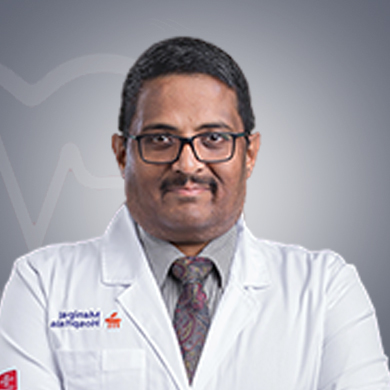
Dr. Madhav Sanzgiri

Urologist

, Panjim, India

31 Years of experience

Speaks: English ,Hindi


Dr Madhav Sanzgiri is one of the most sought after Urologist in Panjim, India. The medical specialist holds over 22 years of experience and is associated with Manipal Hospitals Goa, Dona Paula.

Association and Memberships Dr. Madhav Sanzgiri is part of:

  • Goa Medical Council

Qualifications :

  • MBBS
  • DNB
  • MS

Hospital Address :

Manipal Hospital, Panjim, Goa, India

Medical Expertise of Dr. Madhav Sanzgiri

  • Endourological Procedure, Open and Minimal Access Surgeries, PCNL for complex Staghorns, RIRS, Uro- Oncosurgery, ESWL, Holmium Laser, and Flexible Endoscopies.
  • Reconstructive Urological Procedures like Augmentation Cystoplasty, Urethroplasty, Pyeloplasty, etc.
  • Awarded Gold Medical for General Surgery by University of Mumbai ( 1996) and recipient of Best Resident Award in 1998 by BYL Nair Hospital.
  • Dr Madav Sanzgiri as a team member on a successful first Kidney Transplant on a Covid Survivor gained media attention in Goa.
  • He is well qualified with an MBBS, MS (General Surgery), M.Ch (Urology), DNB (Urology), and FRCS (UK).
  • Dr. Madhav Sanzgiri is a member of Goa Medical Council.
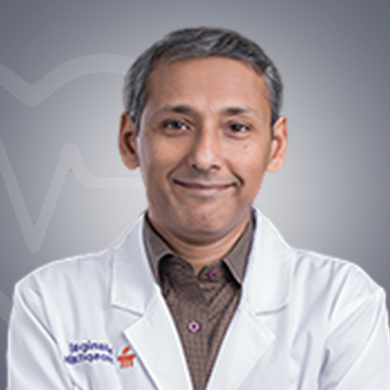
Dr. Jacob George

Radiation oncologist

, Panjim, India

16 Years of experience

Speaks: English ,Hindi


Dr. Jacob George is a specialized Medical Oncologist in India. And one of the most sought after medical specialists in Goa, India. The doctor has over 16 Years of experience and is associated with Manipal Hospitals Goa, Dona Paula.

Qualifications :

  • MBBS
  • MD (Internal Medicine)
  • DM (Medical Oncology)

Hospital Address :

Manipal Hospital, Panjim, Goa, India

What is the medical expertise of Dr Jacob George?

  • Dr Jacob George is an eminent oncologist with 16 years of experience. He has expertise in lung cancer, immunotherapy, lymphomas, gynecological cancers and targeted therapy.
  • He is registered with the Kerala Medical Council.
  • Dr George has published his research in many reputed national and international journals and written chapters for various books. Some of his works include:
    1. Chronic Myeloid Leukaemia. Journal Association of Physicians of India 2004; 52:410-416.
    2. Divatia, J.V., Pulinilkunnathil, J.G. (2021). Onco-Critical Care. In: Garg, R., Bhatnagar, S. (eds) Textbook of Onco-Anesthesiology. Springer, Singapore.
    3. Divatia JV, Pulinilkunnathil JG, Myatra SN. Nosocomial Infections and Ventilator-Associated Pneumonia in Cancer Patients. Oncologic Critical Care. 2019 Jul 9:1419–39.
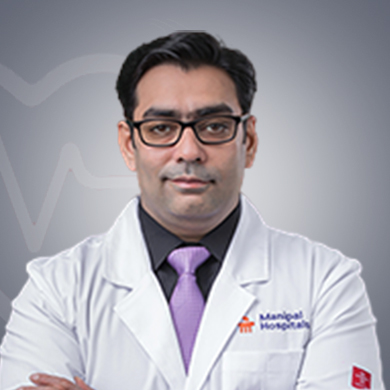
Dr. Gunjan Baijal

Oncologist

, Panjim, India

18 Years of experience

Speaks: Hindi , English


Dr Gunjan Baijal is one of the most sought after Radiation Oncologist in Panjim, India. The medical specialist holds over 15 years of experience and is associated with Manipal Hospitals Goa, Dona Paula.

Do you know?

Using MediGence’s Telemedicine Platform, you can book a personalized video consultation with renowned doctors around the world


Explore Telemedicine Platform

Featured Telemedicine Doctors

Dr. Shekhar Salkar

Surgical Oncologist

, Panjim, India

28 Years of experience

Speaks: Hindi , English


Dr Shekhar Salkar is one of the leading Surgical Oncologist in Panjim, India. The clinician holds over 25 years of experience and is associated with Manipal Hospitals Goa, Dona Paula.

Association and Memberships Dr. Shekhar Salkar is part of:

  • International College of Surgeon

Certifications :

  • FICS ( Oncology )

Qualifications :

  • MS - General Surgery - University Of Bombay, 1996
  • MBBS - University Of Bombay, 1994

Hospital Address :

Manipal Hospital, Panjim, Goa, India

Frequently Asked Questions
Which are some of the best hospitals Cancer Specialists in Panjim, India are associated with?

Following are some of the best clinics in Panjim, India with whom Cancer Specialists are associated with:

Who is a Cancer Specialist?

An oncologist is a doctor who specializes in diagnosing and treating cancer. If you have cancer, a cancer specialist will design a treatment plan based on pathology reports that say what type of cancer you have, up to what extent it has developed, how quickly it is likely to spread, and what body parts are affected.

As most cancers are treated through a combination of therapies, you could see several different kinds of cancer specialists during the course of your treatment. The types of cancer specialists include:

Medical oncologists: Medical oncologists treat cancer using hormonal therapies, chemotherapy, biological therapies, and other targeted treatments. People often consider a medical oncologist as their primary cancer doctor.

Radiation oncologists: Radiation oncologists use high-energy photon beams to destroy cancer cells.

Surgical oncologists: A surgical oncologist may be the first doctor you may see if your primary care physician thinks that you have cancer. Surgical oncologists often perform a biopsy, which involves the removal of a small section of tissues to check for cancer cells.

Pediatric oncologists: A pediatric oncologist specializes in certain types of cancer, and conducts research on childhood cancers.

Gynecologic oncologists: Gynecologic oncologists can treat cancers that affect women, such as cervical, ovarian, uterine, vaginal, and vulvar cancers.

Hematologist-oncologist: Doctors who specialize in treating blood cancers likely lymphoma and leukemia are called hematologists, because they may treat blood disorders that are not cancer, like hemophilia and sickle cell anemia.

What are the qualifications of a Cancer Specialist?

A cancer specialist must choose a specific discipline to have expertise in a particular type of procedure. The minimum educational qualification for becoming a cancer specialist is a Bachelor’s Degree or Higher Degree from an accredited university or college.

Students after passing their 12th class in the science stream need to pursue a Bachelor’s Degree from a recognized college or university. Candidates have to appear in entrance tests for getting admission in the very courses related to oncology.

Then go for an MBBS degree, after which you do a three-year:

a) M.S., followed by a three-year M.Ch. Program

b) M.D. (Medicine/ Paediatrics), topped up with a DM (Medical Oncology) qualification

c) M.D. in Radiotherapy. If you can’t do M.S. or M.D., opt for a DNB

A Master’s degree is given more credit in offering jobs or becoming a specialist in Oncology. After passing their graduation candidates can have this post-graduation course from a recognized institute in the country. Here, they are introduced about the details of topics regarding Oncology or other aspects of it which are given below-

Master’s Degree Courses-

M.Ch. (Surgical Oncology)

D.M. (Medical Oncology)

What conditions do Cancer Specialists treat?

Cancer specialistscan treat different types of cancer as given below:

  • Bladder, kidney, and other genitourinary cancers
  • Brain tumors
  • Leukemia and other blood cancers
  • Lung cancer
  • Breast cancer
  • Cervical, uterine, ovarian, and other gynecologic cancers
  • Pancreatic, Colorectal, stomach, and other gastrointestinal cancers
  • Thyroid, Oral, esophageal, and other head and neck cancers
  • Testicular and prostate cancer
  • Skin cancer such as melanoma
What diagnostic tests are required by Cancer Specialist?

A cancer specialist suggests certain diagnostic test(s) to confirm the presence of cancer. Some common tests for cancer detection are as follows:

  • Biopsy: Tissue sample is studied to diagnose cancer.
  • Breast MRI: Imaging test is used to detect breast tissue.
  • Computed Tomography (CT) Scan: It is a type of imaging test used to detect and learn more about cancer.
  • Electrocardiogram (EKG) and Echocardiogram: Tests to find problems with the valves, heart muscle, or rhythm.
  • Mammogram: A mammogram is an X-ray used to detect cancer in breast tissue.
  • Ultrasound: An ultrasound is used to locate tumors by revealing their exact location in the body.
  • Positron Emission Tomography and Computed Tomography (PET-CT) Scans: It is also known as a PET scan, which is a type of diagnostic test used in cancer treatment.
  • Colonoscopy: A colonoscopy is a way to can see the entire large intestine.
  • Bone Scan: It is a test that can help a cancer specialist diagnose problems with your bones.
When should you visit a Cancer Specialist?

Cancer can affect different tissues in the body, producing various signs and symptoms, such as fatigue, weight loss, a persistent cough, and skin changes. Anyone who experiences continuous or worrisome symptoms should consult a cancer specialist immediately. You should visit a cancer specialist if you experience any of the below symptoms:

  • Breast changes: Breast cancer often results in visible changes in the breast tissue.
  • Vaginal bleeding between periods: Irregular vaginal bleeding might signal endometrial or cervical cancers
  • Testicular lumps: A hard, painless lump inside the testicle may indicate testicular cancer.
  • Bowel changes: A persistent change in bowel habits may signal cancers of the rectum or colon, which are collectively referred to as colorectal cancers.
  • Rectal bleeding: Colorectal cancers can lead to bleeding in the digestive system. Stools could contain visible blood or look darker than usual.
  • Urinary changes: Any change in urinary habits is a symptom of both bladder and prostate cancers.
  • Skin cancer: Skin cancer can appear on any part of the skin. However, it mostly appears in areas that have exposure to the sun, like the face, arms, neck, and hands.
  • Lung cancer: Lung cancer may not always produce visible symptoms in its early stages. If symptoms appear, people may mistake them for cold or acute respiratory infections.
What can you expect from your first visit with a Cancer Specialist?

When a patient visits a clinic for the first consultation, the cancer specialist will do a thorough examination. Then, the oncologist will ask some questions and review the patient’s detailed health history. This will include an assessment of the tests and scans the patient might have had beforehand. The cancer specialist can then develop a treatment strategy that suits the patient.

At the first appointment, the cancer specialist will talk to the patient about treatment options. The oncologist will tell which ones are available at present, what the side effects may be, and how effective they are. Then the specialist will recommend a course and then suggest when the treatments should start.

Which are the most common procedures performed by a Cancer Specialist?
  • Immunotherapy
  • Hormone therapy
  • Targeted drug therapy
  • Cryoablation
  • Cancer Surgery
  • Stem Cell Transplant
  • Chemotherapy
  • Clinical trials
  • Precision Medication
  • Bone marrow transplant
  • Radiofrequency ablation

FAQs related to India