Browse verified doctors or let our care team help you find the doctor best suited to your condition, treatment goals, and budget.

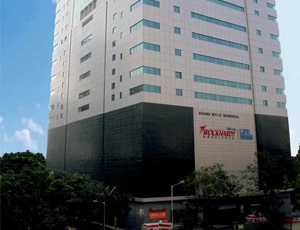
MALI Interdisciplinary Hospital is a trusted healthcare provider for Sacral Neuromodulation, offering advanced treatment for selected bladder and bowel control disorders supported by experienced urologists, urogynecologists, colorectal specialists, neuromodulation surgeons, and multidisciplinary pelvic floor teams. Established in 2021, the NABH, JCI, CBAHI, AACI accredited hospital is situated in Bangkok, Thailand and has 100 beds.
Sacral Neuromodulation works by delivering controlled electrical stimulation to the sacral nerves that participate in communication between the bladder, bowel, spinal cord, and brain. The stimulation may help regulate abnormal nerve signaling and improve bladder or bowel function. The therapy does not directly repair the bladder or bowel but aims to modify the neural pathways contributing to dysfunction.
Choosing Fortis Hospital for Sacral Neuromodulation gives patients access to experienced neuromodulation specialists, advanced diagnostic testing, image-guided procedures, specialized surgical facilities, and structured follow-up care. Established in 2001, the NABH, NABL, JCI accredited hospital in Bangalore, India has 375 beds and provides specialized management of complex urinary and bowel control disorders.
Sacral Neuromodulation is generally performed in stages. During the testing phase, a small electrode is placed near the appropriate sacral nerve and connected to a stimulation system. If the patient demonstrates meaningful improvement, a permanent pulse generator may be implanted beneath the skin. Patients are monitored for pain, infection, lead displacement, changes in stimulation, or device-related complications, and the system can be programmed according to individual therapeutic needs.
Medipol Mega University Hospital provides specialised Sacral Neuromodulation with a focus on precise nerve stimulation, individualized programming, minimally invasive implantation, and long-term management of urinary or bowel dysfunction. Established in 2012, the JCI accredited hospital is located in Istanbul, Turkey and operates 810 beds, with modern neuromodulation, urological, colorectal, diagnostic, and rehabilitation infrastructure.
Sacral Neuromodulation can provide an effective treatment option for appropriately selected patients with refractory urinary or fecal control disorders. Treatment planning considers the underlying condition, severity and duration of symptoms, previous treatments, bladder or bowel function, neurological status, and overall health. A specialist evaluation and temporary stimulation trial help determine whether the patient is likely to benefit from permanent neuromodulation.
Choosing Quironsalud Torrevieja Hospital for Sacral Neuromodulation gives patients access to experienced neuromodulation specialists, advanced diagnostic testing, image-guided procedures, specialized surgical facilities, and structured follow-up care. Established in 2006, the ISO accredited hospital in Torrevieja, Spain has 119 beds and provides specialized management of complex urinary and bowel control disorders.
Sacral Neuromodulation is generally performed in stages. During the testing phase, a small electrode is placed near the appropriate sacral nerve and connected to a stimulation system. If the patient demonstrates meaningful improvement, a permanent pulse generator may be implanted beneath the skin. Patients are monitored for pain, infection, lead displacement, changes in stimulation, or device-related complications, and the system can be programmed according to individual therapeutic needs.
At NMC Specialty Hospital Al Salam, Sacral Neuromodulation is performed using specialized neuromodulation techniques and comprehensive assessment of bladder or bowel dysfunction. Established in 1999, this CBAHI accredited hospital in Riyadh, Saudi Arabia has 100 beds and offers advanced urology, urogynecology, colorectal, pelvic floor, and minimally invasive treatment services.
Sacral Neuromodulation may be recommended for appropriately selected patients whose urinary or bowel symptoms persist despite other treatments. Before permanent implantation, a temporary test stimulation phase may be performed to evaluate whether symptoms improve sufficiently. During the procedure, a thin lead is positioned near the sacral nerves, typically through a small incision, and connected to an external or implanted pulse generator depending on the treatment stage.
University Hospital Quironsalud Madrid provides specialised Sacral Neuromodulation with a focus on precise nerve stimulation, individualized programming, minimally invasive implantation, and long-term management of urinary or bowel dysfunction. Established in 2006, the ISO, JCI accredited hospital is located in Madrid, Spain and operates 575 beds, with modern neuromodulation, urological, colorectal, diagnostic, and rehabilitation infrastructure.
Sacral Neuromodulation can provide an effective treatment option for appropriately selected patients with refractory urinary or fecal control disorders. Treatment planning considers the underlying condition, severity and duration of symptoms, previous treatments, bladder or bowel function, neurological status, and overall health. A specialist evaluation and temporary stimulation trial help determine whether the patient is likely to benefit from permanent neuromodulation.
Dexeus University Hospital offers advanced Sacral Neuromodulation using modern neuromodulation and minimally invasive techniques with individualized pelvic health care plans. Established in 1973, the JCI accredited hospital is located in Barcelona, Spain and has 200 beds, providing comprehensive urology, urogynecology, colorectal, and pelvic floor care for local and international patients.
Sacral Neuromodulation is a minimally invasive treatment that uses mild electrical impulses to stimulate the sacral nerves involved in bladder and bowel control. It may be considered for selected patients with conditions such as overactive bladder, urinary urgency incontinence, non-obstructive urinary retention, or certain forms of fecal incontinence when conservative treatments have not provided adequate relief. The therapy is delivered through a small implanted device that sends controlled electrical signals to the targeted nerves.
Choosing Cancer Centre London for Sacral Neuromodulation gives patients access to experienced neuromodulation specialists, advanced diagnostic testing, image-guided procedures, specialized surgical facilities, and structured follow-up care. Established in 2005, the accredited hospital in London, United Kingdom it has adequate bed capacity and provides specialized management of complex urinary and bowel control disorders.
Sacral Neuromodulation is generally performed in stages. During the testing phase, a small electrode is placed near the appropriate sacral nerve and connected to a stimulation system. If the patient demonstrates meaningful improvement, a permanent pulse generator may be implanted beneath the skin. Patients are monitored for pain, infection, lead displacement, changes in stimulation, or device-related complications, and the system can be programmed according to individual therapeutic needs.
Jaypee Hospital provides specialised Sacral Neuromodulation with a focus on precise nerve stimulation, individualized programming, minimally invasive implantation, and long-term management of urinary or bowel dysfunction. Established in 2014, the NABH, JCI accredited hospital is located in Noida, India and operates 1200 beds, with modern neuromodulation, urological, colorectal, diagnostic, and rehabilitation infrastructure.
Sacral Neuromodulation can provide an effective treatment option for appropriately selected patients with refractory urinary or fecal control disorders. Treatment planning considers the underlying condition, severity and duration of symptoms, previous treatments, bladder or bowel function, neurological status, and overall health. A specialist evaluation and temporary stimulation trial help determine whether the patient is likely to benefit from permanent neuromodulation.
Wockhardt Hospital - A new Age Hospital is a trusted healthcare provider for Sacral Neuromodulation, offering advanced treatment for selected bladder and bowel control disorders supported by experienced urologists, urogynecologists, colorectal specialists, neuromodulation surgeons, and multidisciplinary pelvic floor teams. Established in 2014, the NABH, NABL, JCI accredited hospital is situated in Mumbai, India and has 350 beds.
Sacral Neuromodulation works by delivering controlled electrical stimulation to the sacral nerves that participate in communication between the bladder, bowel, spinal cord, and brain. The stimulation may help regulate abnormal nerve signaling and improve bladder or bowel function. The therapy does not directly repair the bladder or bowel but aims to modify the neural pathways contributing to dysfunction.
Delhi, India
Max Smart Super Speciality Hospital offers advanced Sacral Neuromodulation using modern neuromodulation and minimally invasive techniques with individualized pelvic health care plans. Established in 2012, the JCI, NABH accredited hospital is located in Delhi, India and has 250 beds, providing comprehensive urology, urogynecology, colorectal, and pelvic floor care for local and international patients.
Sacral Neuromodulation is a minimally invasive treatment that uses mild electrical impulses to stimulate the sacral nerves involved in bladder and bowel control. It may be considered for selected patients with conditions such as overactive bladder, urinary urgency incontinence, non-obstructive urinary retention, or certain forms of fecal incontinence when conservative treatments have not provided adequate relief. The therapy is delivered through a small implanted device that sends controlled electrical signals to the targeted nerves.
Acibadem Kadikoy Hospital provides specialised Sacral Neuromodulation with a focus on precise nerve stimulation, individualized programming, minimally invasive implantation, and long-term management of urinary or bowel dysfunction. Established in 1991, the JCI accredited hospital is located in Istanbul, Turkey and operates 138 beds, with modern neuromodulation, urological, colorectal, diagnostic, and rehabilitation infrastructure.
Sacral Neuromodulation can provide an effective treatment option for appropriately selected patients with refractory urinary or fecal control disorders. Treatment planning considers the underlying condition, severity and duration of symptoms, previous treatments, bladder or bowel function, neurological status, and overall health. A specialist evaluation and temporary stimulation trial help determine whether the patient is likely to benefit from permanent neuromodulation.
Tel Aviv, Israel
Choosing Tel Aviv Sourasky Medical Center -Ichilov Hospital for Sacral Neuromodulation gives patients access to experienced neuromodulation specialists, advanced diagnostic testing, image-guided procedures, specialized surgical facilities, and structured follow-up care. Established in 1963, the JCI accredited hospital in Tel Aviv, Israel has 1500 beds and provides specialized management of complex urinary and bowel control disorders.
Sacral Neuromodulation is generally performed in stages. During the testing phase, a small electrode is placed near the appropriate sacral nerve and connected to a stimulation system. If the patient demonstrates meaningful improvement, a permanent pulse generator may be implanted beneath the skin. Patients are monitored for pain, infection, lead displacement, changes in stimulation, or device-related complications, and the system can be programmed according to individual therapeutic needs.
At Max Super Specialty Hospital, Shalimar Bagh, Sacral Neuromodulation is performed using specialized neuromodulation techniques and comprehensive assessment of bladder or bowel dysfunction. Established in 2011, this NABH, NABL accredited hospital in Delhi, India has 402 beds and offers advanced urology, urogynecology, colorectal, pelvic floor, and minimally invasive treatment services.
Sacral Neuromodulation may be recommended for appropriately selected patients whose urinary or bowel symptoms persist despite other treatments. Before permanent implantation, a temporary test stimulation phase may be performed to evaluate whether symptoms improve sufficiently. During the procedure, a thin lead is positioned near the sacral nerves, typically through a small incision, and connected to an external or implanted pulse generator depending on the treatment stage.
Memorial Sisli Hospital provides specialised Sacral Neuromodulation with a focus on precise nerve stimulation, individualized programming, minimally invasive implantation, and long-term management of urinary or bowel dysfunction. Established in 2000, the JCI, NABH accredited hospital is located in Istanbul, Turkey and operates 252 beds, with modern neuromodulation, urological, colorectal, diagnostic, and rehabilitation infrastructure.
Sacral Neuromodulation can provide an effective treatment option for appropriately selected patients with refractory urinary or fecal control disorders. Treatment planning considers the underlying condition, severity and duration of symptoms, previous treatments, bladder or bowel function, neurological status, and overall health. A specialist evaluation and temporary stimulation trial help determine whether the patient is likely to benefit from permanent neuromodulation.