Browse verified doctors or let our care team help you find the doctor best suited to your condition, treatment goals, and budget.

Delhi, India
BLK-Max Super Speciality Hospital provides specialized TLIF with a focus on spinal stabilization, nerve decompression when required, and individualized surgical care. Established in 1959, the JCI, NABH accredited hospital is located in Delhi, India and operates 650 beds with modern spine-care infrastructure.
TLIF (Transforaminal Lumbar Interbody Fusion) is a lumbar spine procedure that combines disc removal, interbody fusion, and spinal fixation. It can be used for selected patients with conditions that cause instability or significant symptoms, particularly when conservative treatment has not provided adequate relief. The surgeon approaches the affected disc through the back and one side of the spine, removes the damaged disc, and places an interbody implant with bone graft material. Pedicle screws and connecting rods may be used to stabilize the treated levels while the bone fusion develops. Pre-operative imaging and neurological assessment help determine the appropriate surgical plan.
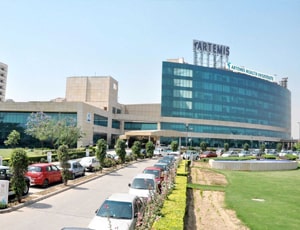
Artemis Health Institute provides specialized TLIF with a focus on spinal stabilization, nerve decompression when required, and individualized surgical care. Established in 2007, the JCI, NABH accredited hospital is located in Gurgaon, India and operates 750 beds with modern spine-care infrastructure.
TLIF (Transforaminal Lumbar Interbody Fusion) is a lumbar spine procedure that combines disc removal, interbody fusion, and spinal fixation. It can be used for selected patients with conditions that cause instability or significant symptoms, particularly when conservative treatment has not provided adequate relief. The surgeon approaches the affected disc through the back and one side of the spine, removes the damaged disc, and places an interbody implant with bone graft material. Pedicle screws and connecting rods may be used to stabilize the treated levels while the bone fusion develops. Pre-operative imaging and neurological assessment help determine the appropriate surgical plan.
Medanta - The Medicity provides specialized TLIF with a focus on spinal stabilization, nerve decompression when required, and individualized surgical care. Established in 2009, the JCI, NABH accredited hospital is located in Gurgaon, India and operates 1250 beds with modern spine-care infrastructure.
TLIF (Transforaminal Lumbar Interbody Fusion) is a lumbar spine procedure that combines disc removal, interbody fusion, and spinal fixation. It can be used for selected patients with conditions that cause instability or significant symptoms, particularly when conservative treatment has not provided adequate relief. The surgeon approaches the affected disc through the back and one side of the spine, removes the damaged disc, and places an interbody implant with bone graft material. Pedicle screws and connecting rods may be used to stabilize the treated levels while the bone fusion develops. Pre-operative imaging and neurological assessment help determine the appropriate surgical plan.
At Gleneagles Hospital Mumbai, TLIF is performed using advanced spinal implants, surgical navigation, and personalized treatment planning. Established in 1996, this JCI accredited hospital in Mumbai, India has 450 beds and offers comprehensive orthopedic and neurosurgical services.
TLIF may be recommended for selected patients with lumbar spinal instability, persistent pain, or nerve compression associated with structural spinal disorders. Through a posterior approach, the surgeon accesses the affected disc space from one side, removes the damaged disc material, and inserts an implant containing bone graft material. The procedure can also allow the surgeon to decompress affected nerve roots when necessary. Instrumentation such as pedicle screws and rods helps maintain spinal alignment during the fusion process.
Ghaziabad, India
Max Super Specialty Hospital, Vaishali provides specialized TLIF with a focus on spinal stabilization, nerve decompression when required, and individualized surgical care. Established in 2008, the NABL, NABH accredited hospital is located in Ghaziabad, India and operates 370 beds with modern spine-care infrastructure.
TLIF (Transforaminal Lumbar Interbody Fusion) is a lumbar spine procedure that combines disc removal, interbody fusion, and spinal fixation. It can be used for selected patients with conditions that cause instability or significant symptoms, particularly when conservative treatment has not provided adequate relief. The surgeon approaches the affected disc through the back and one side of the spine, removes the damaged disc, and places an interbody implant with bone graft material. Pedicle screws and connecting rods may be used to stabilize the treated levels while the bone fusion develops. Pre-operative imaging and neurological assessment help determine the appropriate surgical plan.
Indraprastha Apollo Hospital offers advanced TLIF (Transforaminal Lumbar Interbody Fusion) using modern spinal surgery techniques and individualized treatment protocols. Established in 1996, the JCI accredited hospital is located in Delhi, India and has 710 beds, providing comprehensive spine care for local and international patients.
TLIF is a surgical technique used to stabilize the lumbar spine and treat selected conditions involving damaged discs or spinal instability. During the procedure, the surgeon approaches the spine from the back through one side, removes the affected intervertebral disc, and places a bone graft or interbody cage into the disc space. Screws and rods are generally used to provide additional stability while the vertebrae fuse. TLIF may be considered for conditions such as spondylolisthesis, recurrent disc problems, or degenerative spinal disease.
Apollo Hospitals provides specialized TLIF with a focus on spinal stabilization, nerve decompression when required, and individualized surgical care. Established in 1988, the JCI accredited hospital is located in Hyderabad, India and operates 550 beds with modern spine-care infrastructure.
TLIF (Transforaminal Lumbar Interbody Fusion) is a lumbar spine procedure that combines disc removal, interbody fusion, and spinal fixation. It can be used for selected patients with conditions that cause instability or significant symptoms, particularly when conservative treatment has not provided adequate relief. The surgeon approaches the affected disc through the back and one side of the spine, removes the damaged disc, and places an interbody implant with bone graft material. Pedicle screws and connecting rods may be used to stabilize the treated levels while the bone fusion develops. Pre-operative imaging and neurological assessment help determine the appropriate surgical plan.
At Star Hospitals, TLIF is performed using advanced spinal implants, surgical navigation, and personalized treatment planning. Established in 2008, this NABH, NABL accredited hospital in Hyderabad, India has 435 beds and offers comprehensive orthopedic and neurosurgical services.
TLIF may be recommended for selected patients with lumbar spinal instability, persistent pain, or nerve compression associated with structural spinal disorders. Through a posterior approach, the surgeon accesses the affected disc space from one side, removes the damaged disc material, and inserts an implant containing bone graft material. The procedure can also allow the surgeon to decompress affected nerve roots when necessary. Instrumentation such as pedicle screws and rods helps maintain spinal alignment during the fusion process.
At Sterling Wockhardt Hospital, TLIF is performed using advanced spinal implants, surgical navigation, and personalized treatment planning. Established in 2001, this NABL accredited hospital in Mumbai, India has 225 beds and offers comprehensive orthopedic and neurosurgical services.
TLIF may be recommended for selected patients with lumbar spinal instability, persistent pain, or nerve compression associated with structural spinal disorders. Through a posterior approach, the surgeon accesses the affected disc space from one side, removes the damaged disc material, and inserts an implant containing bone graft material. The procedure can also allow the surgeon to decompress affected nerve roots when necessary. Instrumentation such as pedicle screws and rods helps maintain spinal alignment during the fusion process.
At Global Health City, TLIF is performed using advanced spinal implants, surgical navigation, and personalized treatment planning. Established in 1999, this NABH, NABL accredited hospital in Chennai, India has 200 beds and offers comprehensive orthopedic and neurosurgical services.
TLIF may be recommended for selected patients with lumbar spinal instability, persistent pain, or nerve compression associated with structural spinal disorders. Through a posterior approach, the surgeon accesses the affected disc space from one side, removes the damaged disc material, and inserts an implant containing bone graft material. The procedure can also allow the surgeon to decompress affected nerve roots when necessary. Instrumentation such as pedicle screws and rods helps maintain spinal alignment during the fusion process.
At Fortis Malar Hospital, TLIF is performed using advanced spinal implants, surgical navigation, and personalized treatment planning. Established in 1989, this NABH accredited hospital in Chennai, India has 180 beds and offers comprehensive orthopedic and neurosurgical services.
TLIF may be recommended for selected patients with lumbar spinal instability, persistent pain, or nerve compression associated with structural spinal disorders. Through a posterior approach, the surgeon accesses the affected disc space from one side, removes the damaged disc material, and inserts an implant containing bone graft material. The procedure can also allow the surgeon to decompress affected nerve roots when necessary. Instrumentation such as pedicle screws and rods helps maintain spinal alignment during the fusion process.
nanavati Super Speciality Hospital is a trusted healthcare provider for TLIF, offering specialized lumbar fusion procedures supported by experienced spine surgeons and advanced medical infrastructure. Established in 1950, the NABH accredited hospital is situated in Mumbai, India and has 350 beds.
TLIF is designed to stabilize an unstable lumbar spinal segment while promoting fusion between adjacent vertebrae. It may be used in carefully selected cases of degenerative disc disease, spondylolisthesis, spinal stenosis with instability, or recurrent disc-related problems. The surgeon removes the problematic disc through a transforaminal route and inserts an interbody spacer into the disc space. Bone graft material supports the formation of new bone between the vertebrae, while fixation hardware provides immediate stability.
Delhi, India
Max Super Speciality Hospital, Patparganj offers advanced TLIF (Transforaminal Lumbar Interbody Fusion) using modern spinal surgery techniques and individualized treatment protocols. Established in 2005, the NABH, NABL, AACI accredited hospital is located in Delhi, India and has 400 beds, providing comprehensive spine care for local and international patients.
TLIF is a surgical technique used to stabilize the lumbar spine and treat selected conditions involving damaged discs or spinal instability. During the procedure, the surgeon approaches the spine from the back through one side, removes the affected intervertebral disc, and places a bone graft or interbody cage into the disc space. Screws and rods are generally used to provide additional stability while the vertebrae fuse. TLIF may be considered for conditions such as spondylolisthesis, recurrent disc problems, or degenerative spinal disease.
Venkateshwar Hospital is a trusted healthcare provider for TLIF, offering specialized lumbar fusion procedures supported by experienced spine surgeons and advanced medical infrastructure. Established in 2016, the NABL, NABH accredited hospital is situated in Delhi, India and has 325 beds.
TLIF is designed to stabilize an unstable lumbar spinal segment while promoting fusion between adjacent vertebrae. It may be used in carefully selected cases of degenerative disc disease, spondylolisthesis, spinal stenosis with instability, or recurrent disc-related problems. The surgeon removes the problematic disc through a transforaminal route and inserts an interbody spacer into the disc space. Bone graft material supports the formation of new bone between the vertebrae, while fixation hardware provides immediate stability.
Choosing Primus Super Speciality Hospital for TLIF gives patients access to experienced spine specialists, advanced surgical technology, and comprehensive post-operative care. Established in 2001, the NABH accredited hospital in Delhi, India has 250 beds and provides specialized spinal treatment.
TLIF may be considered when lumbar pain or neurological symptoms are associated with a spinal segment that requires stabilization and decompression. The procedure is performed from the posterior side of the spine, with access to the disc space through the neural foramen. After the damaged disc is removed, a cage or spacer containing bone graft is inserted to restore disc-space height and support fusion. Screws and rods are typically placed across the affected vertebrae, and post-operative rehabilitation is planned according to the patient's recovery.

Emily's story is a powerful reminder that with the right guidance, expert medical care, and personalised rehabilitation, even long-standing pain can be overcome.
| Speciality | Orthopedics |
| Procedure | TLIF |
| Success Rate | 85-95% |
| Recovery Time | 2-4 months |
| Treatment Time | 2-3 hours |
| Chances of Recurrence | Low |
Yes, Most hospitals offering TLIF in India have the most up-to-date medical technology, including powerful imaging devices, spinal navigation instruments, and robotic procedures.
The top hospitals that provide TLIF in India have the following features:
A study on TLIF surgery patients indicated that 85-90% reported significantly reduced lower back, lumbar spine, hip, and leg discomfort and improved physical mobility.
You can visit our MediGence platform, a renowned platform in India that provides all information about TLIF. This platform makes it easier to find the best hospital, experienced surgeons, and accredited hospitals and connect the best professionals and facilities for your care.
Few hospitals in India offer TLIF:
The cost of TLIF in India typically ranges from (USD 4500 - 7000), depending on the hospital, location, and the complexity of the procedure.
Several hospitals in India provide TLIF to treat international patients. They arrange travel accommodations and treatment plans. Top hospitals like Fortis, Artemis, Narayana, and Medanta provide excellent treatment and care for global patients.
There are some risks associated with TLIF are mentioned below:
Recovery from TLIF in India usually takes 3 to 6 months, depending on the type of TLIF, the bone's location, and the patient's overall condition. There may be initial weeks of rest, pain management, and limited weight bearing before physical therapy helps the patient regain mobility and strength.
You can consult with orthopaedic experts before travelling to India for TLIF through the MediGence platform. MediGence offers teleconsultations with top Orthopedics, allowing you to discuss your medical condition, treatment options, and expert advice.
In India, post-operative care for TLIF includes a well-balanced diet rich in protein, vitamins, and minerals that should be followed to ensure proper recovery. Foods rich in calcium and vitamin D can help with bone healing.
Physical therapy usually starts after the initial healing period, with mild stretching and back-strengthening exercises. The objective is to increase flexibility, strength, and mobility while appropriately supporting the spine.
India is among the most popular options for TLIF because of its well-qualified and experienced doctors, superior medical technology, and affordable treatment alternatives. Many hospitals are globally accredited, which ensures high-level care. Surgery or procedure costs in India are significantly lower than in many other countries.
MediGence will contact you to arrange a TLIF appointment in India. Our case manager will connect you with the top hospitals, schedule consultations with the specialists, and guide you throughout the process, including travel and treatment planning.
In India, patients must stay in the hospital for 7 to 10 days after undergoing a Transforaminal Lumbar Interbody Fusion. This period allows the initial recovery phase, which includes hospitalisation, pain management, and follow-up visits.
In TLIF surgery, anaesthesia can be used to numb the area or put you to sleep. The area of surgery is cleaned and sterilised before an incision. The surgeon employs a special saw to remove part of the damaged bone and, if necessary, places a bone graft.
Then, the edges of the bones are brought together and connected using pins, screws, or plates, which might be temporary or permanent, depending on the treatment.
Here are some alternate therapies to TLIF in India:
To prepare for TLIF in India at MediGence, consult one of the platform's qualified orthopaedic experts. MediGence will assist you in selecting the right facility and surgeon for your surgery. They will take you through every step, from pre-surgery check-ups and documents to travel if required.