Browse verified doctors or let our care team help you find the doctor best suited to your condition, treatment goals, and budget.
Meliva Kardiolita Hospital, Vilnius provides specialised Hip Dysplasia Treatment with a focus on accurate hip assessment, joint-preserving treatment, advanced pediatric orthopedic techniques, and individualized long-term follow-up. Established in 1998, the JCI accredited hospital is located in Vilnius, Lithuania and operates 36 beds, with modern orthopedic, imaging, surgical, and rehabilitation infrastructure.
Hip Dysplasia Treatment can help improve hip stability and alignment and may reduce the risk of progressive joint damage when appropriately managed. Treatment planning considers the patient's age, hip morphology, severity of dysplasia, degree of displacement, skeletal maturity, and previous interventions. A detailed evaluation using physical examination and age-appropriate imaging, such as ultrasound or X-ray, helps the orthopedic team determine whether conservative management, reduction, bracing, osteotomy, or another reconstructive approach is most suitable.
Meliva Kardiolita Hospital, Kaunas is a trusted healthcare provider for Hip Dysplasia Treatment, offering hip preservation and reconstruction supported by experienced orthopedic surgeons, pediatric orthopedic specialists, advanced imaging facilities, and multidisciplinary rehabilitation teams. Established in 1998, the JCI- accredited hospital is situated in Kaunas, Lithuania and has 8 beds.
Hip Dysplasia Treatment aims to improve the alignment and stability of the hip joint while supporting normal development and reducing abnormal stress on the joint. Treatment varies according to age and anatomical findings. In younger children, maintaining the femoral head within the acetabulum may allow the socket to develop more normally, while older children and adolescents with persistent structural abnormalities may require corrective osteotomy or other reconstructive procedures.
Nordorthopaedics Clinic, Kaunas offers advanced Hip Dysplasia Treatment using modern orthopedic techniques and individualized musculoskeletal care plans. Established in 2009, the accredited hospital is located in Kaunas, Lithuania and has 25 beds, providing comprehensive orthopedic care for local and international patients.
Hip Dysplasia Treatment is used to manage developmental dysplasia of the hip (DDH), a condition in which the hip joint does not develop normally and the femoral head may be unstable or improperly positioned within the acetabulum. Treatment depends on the patient's age, severity of dysplasia, hip stability, and stage of skeletal development. Options may include observation, bracing, closed reduction, or surgical procedures such as open reduction and pelvic or femoral osteotomy.

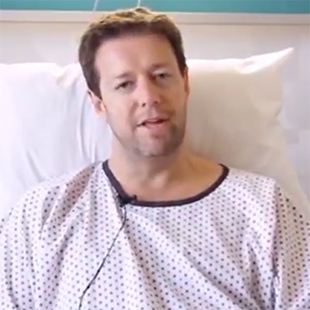
Kevin Stewart from Scotland could barely walk straight due to a Slip Disc. He faced many discomforts for the past 2 years and eventually had…

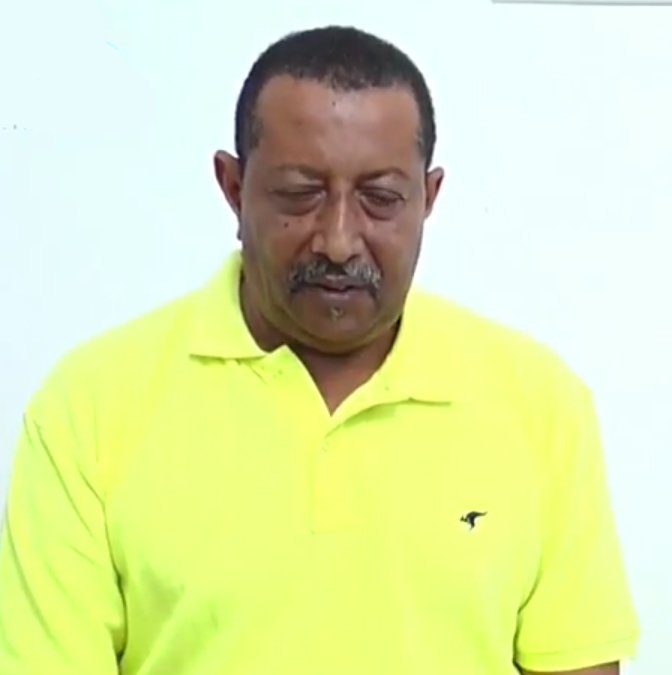
Mr. Muhammed Dumia was suffering from painful left Knee and was in considerable pain for the last 2 months. He eventually underwent Knee Replacement Surgery…
| Speciality | Orthopedics |
| Procedure | Hip Dysplasia Treatment |
| Success Rate | 85-95% |
| Recovery Time | 3-6 months |
| Treatment Time | 1-3 hours |
| Chances of Recurrence | Low |
Hip dysplasia treatment aims to correct the misalignment of the hip joint. Misalignment is a condition where the hip socket is shallow or improperly formed. In infants, non-surgical methods like Pavlik harnesses or hip abduction braces may be used to guide the hip joint into proper alignment. For older children and adults, surgical interventions such as hip arthroscopy or periacetabular osteotomy (PAO) are suggested by surgeons to reposition the hip joint. The procedure helps improve hip function and stability.
Medical conditions that can be treated through hip dysplasia treatment include developmental dysplasia of the hip (DDH) in infants and adolescents and acetabular dysplasia in adults.
In the case of single hip dysplasia, the patient can return to unrestricted activity usually within 3-6 months of the surgery. However, if the dysplasia is in both hips, the second surgery is usually scheduled a few weeks after the first one. The overall recovery may therefore take longer. Rehabilitation is strictly recommended after this surgery. Follow-up doctor appointments are a must. Patients are also recommended to increase weight-bearing activities slowly so as not to put unbearable pressure on the hip.
Hospitals for any type of procedure can be ranked on several deciding aspects. The following factors are used to rank hospitals in Lithuania that perform Hip Dysplasia Treatments- Infrastructure, Procedure Availability, Popularity of procedure, Technology, Cost-effectiveness, Skilled medical personnel, Patient-care facilities, and Rate of Success
MediGence offers you a blend of convenience, quality healthcare, and cost-savings. We make sure that your healthcare journey should be easy and hassle-free while receiving treatment overseas. Some of our caregiving services & unmatched benefits include hotel stays or accommodation, airport transfers, dedicated case manager, care packages for recovery, online consultations with the specialist, 24/7 assistance, and prenegotiated treatment packages with an assured 30% discount. We also provide several additional advantages to help you receive first-rate medical care.
Yes. You can avail a video consultation with a specialist before you plan your medical travel. You can place your request to our patient advisors for scheduling your online consultation with the specialist. They will verify the doctor's consultation availability. Once confirmed, a payment link will be provided to you so you may schedule your online consultation.
Due to the high success rate and top-notch hospital infrastructure, Hip Dysplasia Treatment in Lithuania is considered reliable by many people around the world. In addition, there are other parameters that make Lithuania the ideal option for Hip Dysplasia Treatment. They include:
The severity of the treatment and the patient's general health both influence how long recovery takes after treatment. In addition, post-treatment rehabilitation is extremely important for speeding up recovery and minimizing recovery time. The patient is suggested to stay in close contact with their surgeon for a few months post-surgery to reduce their recovery time.