Explore trusted hospitals and care options, or get personalised support to find a suitable option based on your treatment needs, preferences, and budget.

Choosing Manipal Hospital, Dwarka for High Tibial Osteotomy gives patients access to specialist-led knee preservation surgery, precision alignment techniques, and structured postoperative rehabilitation. Established in 2018, the NABH accredited hospital is located in Delhi, India and operates 380 beds with advanced orthopedic infrastructure.
High Tibial Osteotomy may be recommended when bow-legged alignment places excessive pressure on the inner portion of the knee and contributes to localized cartilage damage or osteoarthritis. The surgeon cuts and repositions the upper tibia to shift the load toward healthier parts of the joint. The corrected bone is secured with fixation hardware and allowed to heal. Recovery typically involves protected weight-bearing initially, followed by physiotherapy to restore knee movement, muscle strength, and functional mobility.
Bangalore, India
Apollo Hospitals Bannerghatta offers dedicated High Tibial Osteotomy supported by experienced orthopedic surgeons, advanced imaging, and modern fixation systems. Established in 2007, the JCI accredited hospital is situated in Bangalore, India and has 350 beds supporting specialized knee preservation care.
High Tibial Osteotomy is designed to reduce stress on a damaged portion of the knee by changing the alignment of the upper tibia. In a commonly used opening-wedge technique, the surgeon creates a controlled cut in the tibia and gradually opens it to achieve the planned correction. A plate and screws are generally used to maintain the new alignment. The procedure may help delay or avoid knee replacement in appropriately selected patients, depending on the extent of joint damage and overall knee condition.
Fortis Hospital provides specialized High Tibial Osteotomy with a focus on correcting knee alignment, redistributing joint load, and preserving natural knee function. Established in 2001, the NABH, NABL, JCI accredited hospital is located in Bangalore, India and operates 375 beds with modern orthopedic and joint-preservation facilities.
High Tibial Osteotomy is a knee-preserving surgical procedure used to correct abnormal alignment of the leg, particularly in patients with medial compartment knee osteoarthritis. The surgeon makes a controlled cut in the upper portion of the tibia and changes its alignment to shift weight away from the damaged area of the knee. The corrected position is maintained using plates, screws, or other fixation devices. Bone graft or a bone substitute may be used when required to support healing.
Fortis Hospital offers dedicated High Tibial Osteotomy supported by experienced orthopedic surgeons, advanced imaging, and modern fixation systems. Established in 2011, the NABH, NABL accredited hospital is situated in Kolkata, India and has 400 beds supporting specialized knee preservation care.
High Tibial Osteotomy is designed to reduce stress on a damaged portion of the knee by changing the alignment of the upper tibia. In a commonly used opening-wedge technique, the surgeon creates a controlled cut in the tibia and gradually opens it to achieve the planned correction. A plate and screws are generally used to maintain the new alignment. The procedure may help delay or avoid knee replacement in appropriately selected patients, depending on the extent of joint damage and overall knee condition.
Hyderabad, India
Choosing Yashoda Hospital, Malakpet for High Tibial Osteotomy gives patients access to specialist-led knee preservation surgery, precision alignment techniques, and structured postoperative rehabilitation. Established in 1989, the NABH, NABL accredited hospital is located in Hyderabad, India and operates 404 beds with advanced orthopedic infrastructure.
High Tibial Osteotomy may be recommended when bow-legged alignment places excessive pressure on the inner portion of the knee and contributes to localized cartilage damage or osteoarthritis. The surgeon cuts and repositions the upper tibia to shift the load toward healthier parts of the joint. The corrected bone is secured with fixation hardware and allowed to heal. Recovery typically involves protected weight-bearing initially, followed by physiotherapy to restore knee movement, muscle strength, and functional mobility.
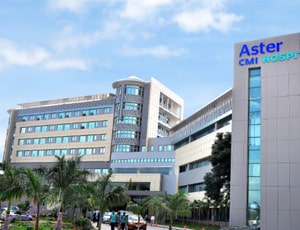
Aster CMI Hospital offers dedicated High Tibial Osteotomy supported by experienced orthopedic surgeons, advanced imaging, and modern fixation systems. Established in 2014, the JCI, NABH, NABL accredited hospital is situated in Bangalore, India and has 500 beds supporting specialized knee preservation care.
High Tibial Osteotomy is designed to reduce stress on a damaged portion of the knee by changing the alignment of the upper tibia. In a commonly used opening-wedge technique, the surgeon creates a controlled cut in the tibia and gradually opens it to achieve the planned correction. A plate and screws are generally used to maintain the new alignment. The procedure may help delay or avoid knee replacement in appropriately selected patients, depending on the extent of joint damage and overall knee condition.
MGM Healthcare provides specialized High Tibial Osteotomy with an emphasis on accurate limb alignment, preservation of the native knee joint, and personalized recovery care. Established in 2016, the NABH, NABL, JCI accredited hospital is based in Chennai, India and has 400 beds supported by modern orthopedic and rehabilitation facilities.
High Tibial Osteotomy involves surgically changing the angle of the upper shinbone to redistribute forces across the knee joint. It is primarily used in selected patients with compartment-specific knee degeneration and malalignment who may benefit from a joint-preserving approach. Depending on the planned correction, an opening-wedge or closing-wedge osteotomy may be performed, followed by fixation with a plate and screws. Detailed standing X-rays and alignment measurements are used to plan the correction, while follow-up imaging monitors bone healing and alignment.
Sri Ramachandra Medical Centre provides specialized High Tibial Osteotomy with an emphasis on accurate limb alignment, preservation of the native knee joint, and personalized recovery care. Established in 1985, the JCI, NABH accredited hospital is based in Chennai, India and has 1800 beds supported by modern orthopedic and rehabilitation facilities.
High Tibial Osteotomy involves surgically changing the angle of the upper shinbone to redistribute forces across the knee joint. It is primarily used in selected patients with compartment-specific knee degeneration and malalignment who may benefit from a joint-preserving approach. Depending on the planned correction, an opening-wedge or closing-wedge osteotomy may be performed, followed by fixation with a plate and screws. Detailed standing X-rays and alignment measurements are used to plan the correction, while follow-up imaging monitors bone healing and alignment.
Jaypee Hospital provides specialized High Tibial Osteotomy with an emphasis on accurate limb alignment, preservation of the native knee joint, and personalized recovery care. Established in 2014, the NABH, JCI accredited hospital is based in Noida, India and has 1200 beds supported by modern orthopedic and rehabilitation facilities.
High Tibial Osteotomy involves surgically changing the angle of the upper shinbone to redistribute forces across the knee joint. It is primarily used in selected patients with compartment-specific knee degeneration and malalignment who may benefit from a joint-preserving approach. Depending on the planned correction, an opening-wedge or closing-wedge osteotomy may be performed, followed by fixation with a plate and screws. Detailed standing X-rays and alignment measurements are used to plan the correction, while follow-up imaging monitors bone healing and alignment.
Choosing Fortis Hiranandani Hospital for High Tibial Osteotomy gives patients access to specialist-led knee preservation surgery, precision alignment techniques, and structured postoperative rehabilitation. Established in 2007, the NABH accredited hospital is located in Mumbai, India and operates 149 beds with advanced orthopedic infrastructure.
High Tibial Osteotomy may be recommended when bow-legged alignment places excessive pressure on the inner portion of the knee and contributes to localized cartilage damage or osteoarthritis. The surgeon cuts and repositions the upper tibia to shift the load toward healthier parts of the joint. The corrected bone is secured with fixation hardware and allowed to heal. Recovery typically involves protected weight-bearing initially, followed by physiotherapy to restore knee movement, muscle strength, and functional mobility.
Fortis Hospital, Shalimar Bagh offers dedicated High Tibial Osteotomy supported by experienced orthopedic surgeons, advanced imaging, and modern fixation systems. Established in 2010, the NABH accredited hospital is situated in Delhi, India and has 262 beds supporting specialized knee preservation care.
High Tibial Osteotomy is designed to reduce stress on a damaged portion of the knee by changing the alignment of the upper tibia. In a commonly used opening-wedge technique, the surgeon creates a controlled cut in the tibia and gradually opens it to achieve the planned correction. A plate and screws are generally used to maintain the new alignment. The procedure may help delay or avoid knee replacement in appropriately selected patients, depending on the extent of joint damage and overall knee condition.
Delhi, India
Aakash Healthcare Super Speciality Hospital provides specialized High Tibial Osteotomy with an emphasis on accurate limb alignment, preservation of the native knee joint, and personalized recovery care. Established in 2011, the NABH, ISO accredited hospital is based in Delhi, India and has 230 beds supported by modern orthopedic and rehabilitation facilities.
High Tibial Osteotomy involves surgically changing the angle of the upper shinbone to redistribute forces across the knee joint. It is primarily used in selected patients with compartment-specific knee degeneration and malalignment who may benefit from a joint-preserving approach. Depending on the planned correction, an opening-wedge or closing-wedge osteotomy may be performed, followed by fixation with a plate and screws. Detailed standing X-rays and alignment measurements are used to plan the correction, while follow-up imaging monitors bone healing and alignment.
Aster Medcity provides specialized High Tibial Osteotomy with a focus on correcting knee alignment, redistributing joint load, and preserving natural knee function. Established in 2013, the NABH, JCI accredited hospital is located in Kochi, India and operates 670 beds with modern orthopedic and joint-preservation facilities.
High Tibial Osteotomy is a knee-preserving surgical procedure used to correct abnormal alignment of the leg, particularly in patients with medial compartment knee osteoarthritis. The surgeon makes a controlled cut in the upper portion of the tibia and changes its alignment to shift weight away from the damaged area of the knee. The corrected position is maintained using plates, screws, or other fixation devices. Bone graft or a bone substitute may be used when required to support healing.
Delhi, India
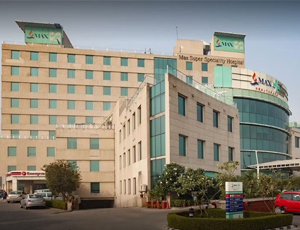
Max Smart Super Speciality Hospital provides specialized High Tibial Osteotomy with an emphasis on accurate limb alignment, preservation of the native knee joint, and personalized recovery care. Established in 2012, the JCI, NABH accredited hospital is based in Delhi, India and has 250 beds supported by modern orthopedic and rehabilitation facilities.
High Tibial Osteotomy involves surgically changing the angle of the upper shinbone to redistribute forces across the knee joint. It is primarily used in selected patients with compartment-specific knee degeneration and malalignment who may benefit from a joint-preserving approach. Depending on the planned correction, an opening-wedge or closing-wedge osteotomy may be performed, followed by fixation with a plate and screws. Detailed standing X-rays and alignment measurements are used to plan the correction, while follow-up imaging monitors bone healing and alignment.
Delhi, India
Max Super Specialty Hospital, Shalimar Bagh offers dedicated High Tibial Osteotomy supported by experienced orthopedic surgeons, advanced imaging, and modern fixation systems. Established in 2011, the NABH, NABL accredited hospital is situated in Delhi, India and has 402 beds supporting specialized knee preservation care.
High Tibial Osteotomy is designed to reduce stress on a damaged portion of the knee by changing the alignment of the upper tibia. In a commonly used opening-wedge technique, the surgeon creates a controlled cut in the tibia and gradually opens it to achieve the planned correction. A plate and screws are generally used to maintain the new alignment. The procedure may help delay or avoid knee replacement in appropriately selected patients, depending on the extent of joint damage and overall knee condition.

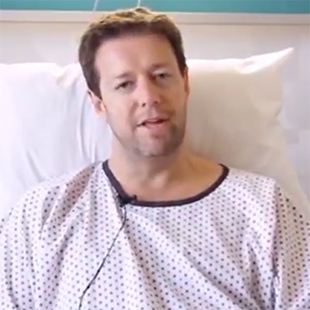
Kevin Stewart from Scotland could barely walk straight due to a Slip Disc. He faced many discomforts for the past 2 years and eventually had…

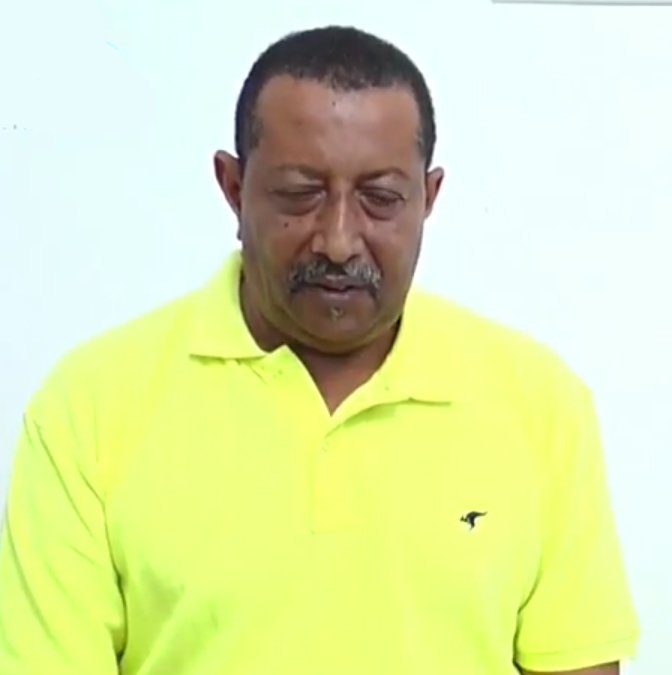
Mr. Muhammed Dumia was suffering from painful left Knee and was in considerable pain for the last 2 months. He eventually underwent Knee Replacement Surgery…