Browse verified doctors or let our care team help you find the doctor best suited to your condition, treatment goals, and budget.
Srikara Hospitals, Miyapur provides specialised Boutonniere Deformity Treatment with a focus on patient safety, surgical precision, and functional recovery. Established in 2013, the NABH hospital is located in Hyderabad, India, and operates 200 beds, equipped with modern healthcare infrastructure.
Bone Reconstruction is a treatment option for patients experiencing substantial bone loss or structural damage due to trauma, complex fractures, infection, tumors, or congenital conditions. Depending on the patient's needs, surgeons may use bone grafts, specialised implants, fixation systems, or bone transport techniques to reconstruct the affected area. Comprehensive preoperative evaluation and imaging help determine the appropriate approach, while post-treatment rehabilitation supports healing, strength, and mobility.
At Ekol, Boutonniere Deformity Treatment is performed using advanced reconstructive techniques and personalised treatment plans based on each patient's condition. Established in 2000, this ISO hospital in Izmir, Turkey. It is a bedded facility and provides comprehensive healthcare services.
Bone Reconstruction is considered for patients with substantial bone defects resulting from trauma, complex fractures, infection, tumor removal, or other conditions affecting bone structure. Depending on the size and location of the defect, treatment may include bone grafting, internal fixation, bone transport, or specialised implants. Medical evaluation and imaging are generally performed before surgery, while physiotherapy and rehabilitation can support functional recovery.
Arab Medical Center offers advanced Bone Reconstruction using modern surgical techniques and internationally accepted treatment protocols. Established in 1997, the JCI hospital is located in Amman, Jordan and has 243 beds, providing comprehensive care for local and international patients.
Bone Reconstruction may be recommended for patients with significant bone loss or damage caused by severe fractures, trauma, infections, tumors, or congenital abnormalities. Depending on the condition, treatment may involve bone grafting, bone transport, fixation, or specialised implants. Before treatment, doctors evaluate the affected area through physical examination and imaging. Physiotherapy and rehabilitation may be recommended after surgery to restore strength, movement, and function.
At Ara Damansara Medical Centre, Boutonniere Deformity Treatment is performed using advanced reconstructive techniques and personalised treatment plans based on each patient's condition. Established in 2012, this JCI, MSQH hospital in Kuala Lumpur, Malaysia. It is a 220 bedded facility and provides comprehensive healthcare services.
Bone Reconstruction is considered for patients with substantial bone defects resulting from trauma, complex fractures, infection, tumor removal, or other conditions affecting bone structure. Depending on the size and location of the defect, treatment may include bone grafting, internal fixation, bone transport, or specialised implants. Medical evaluation and imaging are generally performed before surgery, while physiotherapy and rehabilitation can support functional recovery.
Fortis Hospital is a trusted healthcare provider for Boutonniere Deformity Treatment, offering modern treatment options supported by experienced specialists and advanced medical infrastructure. Established in 2006, the JCI, NABH hospital is situated in Mohali, India and has 276 beds.
Bone Reconstruction can help restore the structure and function of bones affected by major trauma, non-healing fractures, infection, tumor removal, or extensive bone loss. Depending on the patient's condition, surgeons may use bone grafts, fixation devices, bone transport techniques, or patient-specific implants. A detailed assessment and imaging are typically performed before treatment to determine the extent of bone damage and guide surgical planning.
Delhi, India
Fortis Flt. Lt. Rajan Dhall Hospital is a trusted healthcare provider for Boutonniere Deformity Treatment, offering modern treatment options supported by experienced specialists and advanced medical infrastructure. Established in 2006, the NABH hospital is situated in Delhi, India and has 162 beds.
Bone Reconstruction can help restore the structure and function of bones affected by major trauma, non-healing fractures, infection, tumor removal, or extensive bone loss. Depending on the patient's condition, surgeons may use bone grafts, fixation devices, bone transport techniques, or patient-specific implants. A detailed assessment and imaging are typically performed before treatment to determine the extent of bone damage and guide surgical planning.
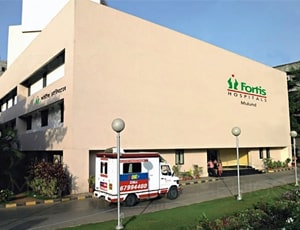
At Fortis Hospital, Mulund, Boutonniere Deformity Treatment is performed using advanced reconstructive techniques and personalised treatment plans based on each patient's condition. Established in 2002, this JCI, NABH hospital in Mumbai, India. It is a 315 bedded facility and provides comprehensive healthcare services.
Bone Reconstruction is considered for patients with substantial bone defects resulting from trauma, complex fractures, infection, tumor removal, or other conditions affecting bone structure. Depending on the size and location of the defect, treatment may include bone grafting, internal fixation, bone transport, or specialised implants. Medical evaluation and imaging are generally performed before surgery, while physiotherapy and rehabilitation can support functional recovery.
Choosing Manipal Hospital, Hebbal for Boutonniere Deformity Treatment gives patients access to experienced specialists, advanced surgical technology, and comprehensive medical care. Established in 1991, the NABL, NABH hospital in Bangalore, India has 280 beds and provides specialised healthcare services.
Patients with severe bone defects, complex fractures, bone infections, or structural abnormalities may be advised to undergo Bone Reconstruction when conventional treatment is insufficient to restore the affected area. Depending on the extent of bone loss, reconstruction may involve bone grafting, fixation, bone lengthening, or other surgical techniques. Imaging and clinical evaluation help doctors develop an individualised treatment plan, followed by rehabilitation to support recovery and mobility.
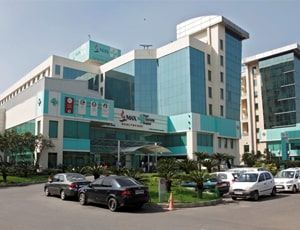
At Max Super Speciality Hospital, Saket, Boutonniere Deformity Treatment is performed using advanced reconstructive techniques and personalised treatment plans based on each patient's condition. Established in 2006, this JCI, NABH hospital in Delhi, India. It is a 539 bedded facility and provides comprehensive healthcare services.
Bone Reconstruction is considered for patients with substantial bone defects resulting from trauma, complex fractures, infection, tumor removal, or other conditions affecting bone structure. Depending on the size and location of the defect, treatment may include bone grafting, internal fixation, bone transport, or specialised implants. Medical evaluation and imaging are generally performed before surgery, while physiotherapy and rehabilitation can support functional recovery.
Bayindir Healthcare Group offers advanced Bone Reconstruction using modern surgical techniques and internationally accepted treatment protocols. Established in 1992, the JCI hospital is located in Ankara, Turkey and has 153 beds, providing comprehensive care for local and international patients.
Bone Reconstruction may be recommended for patients with significant bone loss or damage caused by severe fractures, trauma, infections, tumors, or congenital abnormalities. Depending on the condition, treatment may involve bone grafting, bone transport, fixation, or specialised implants. Before treatment, doctors evaluate the affected area through physical examination and imaging. Physiotherapy and rehabilitation may be recommended after surgery to restore strength, movement, and function.
At Medicana Avcilar, Boutonniere Deformity Treatment is performed using advanced reconstructive techniques and personalised treatment plans based on each patient's condition. Established in 1995, this JCI hospital in Istanbul, Turkey. It is a 63 bedded facility and provides comprehensive healthcare services.
Bone Reconstruction is considered for patients with substantial bone defects resulting from trauma, complex fractures, infection, tumor removal, or other conditions affecting bone structure. Depending on the size and location of the defect, treatment may include bone grafting, internal fixation, bone transport, or specialised implants. Medical evaluation and imaging are generally performed before surgery, while physiotherapy and rehabilitation can support functional recovery.
Iranian Hospital is a trusted healthcare provider for Boutonniere Deformity Treatment, offering modern treatment options supported by experienced specialists and advanced medical infrastructure. Established in 1970, the hospital is situated in Dubai, United Arab Emirates and has 220 beds.
Bone Reconstruction can help restore the structure and function of bones affected by major trauma, non-healing fractures, infection, tumor removal, or extensive bone loss. Depending on the patient's condition, surgeons may use bone grafts, fixation devices, bone transport techniques, or patient-specific implants. A detailed assessment and imaging are typically performed before treatment to determine the extent of bone damage and guide surgical planning.
At Istinye University Bahcesehir - LIV Hospital, Boutonniere Deformity Treatment is performed using advanced reconstructive techniques and personalised treatment plans based on each patient's condition. Established in 2016, this ISO, JCI hospital in Istanbul, Turkey. It is a 394 bedded facility and provides comprehensive healthcare services.
Bone Reconstruction is considered for patients with substantial bone defects resulting from trauma, complex fractures, infection, tumor removal, or other conditions affecting bone structure. Depending on the size and location of the defect, treatment may include bone grafting, internal fixation, bone transport, or specialised implants. Medical evaluation and imaging are generally performed before surgery, while physiotherapy and rehabilitation can support functional recovery.
At KCM Clinic, Boutonniere Deformity Treatment is performed using advanced reconstructive techniques and personalised treatment plans based on each patient's condition. Established in 2006, this ISO hospital in Jelenia Gora, Poland. It is a 85 bedded facility and provides comprehensive healthcare services.
Bone Reconstruction is considered for patients with substantial bone defects resulting from trauma, complex fractures, infection, tumor removal, or other conditions affecting bone structure. Depending on the size and location of the defect, treatment may include bone grafting, internal fixation, bone transport, or specialised implants. Medical evaluation and imaging are generally performed before surgery, while physiotherapy and rehabilitation can support functional recovery.
Life Kingsbury Hospital is a trusted healthcare provider for Boutonniere Deformity Treatment, offering modern treatment options supported by experienced specialists and advanced medical infrastructure. Established in 1918, the hospital is situated in Cape Town, South Africa and has 212 beds.
Bone Reconstruction can help restore the structure and function of bones affected by major trauma, non-healing fractures, infection, tumor removal, or extensive bone loss. Depending on the patient's condition, surgeons may use bone grafts, fixation devices, bone transport techniques, or patient-specific implants. A detailed assessment and imaging are typically performed before treatment to determine the extent of bone damage and guide surgical planning.