Explore trusted hospitals and care options, or get personalised support to find a suitable option based on your treatment needs, preferences, and budget.

Apollo Hospital provides Adolescent Idiopathic Scoliosis Treatment using contemporary spinal correction techniques and evidence-based care. Founded in 1983, the JCI accredited hospital is based in Chennai, India, with 550 beds and services for domestic and international patients.
The treatment approach is tailored according to the spinal curvature and remaining growth potential. Patients with smaller curves may require periodic monitoring, while bracing can help limit progression in selected growing adolescents. For severe curves, spinal fusion and other corrective procedures may be recommended. Detailed spinal imaging helps determine the appropriate treatment strategy.
Apollo Multispecialty Hospitals provides Adolescent Idiopathic Scoliosis Treatment using contemporary spinal correction techniques and evidence-based care. Founded in 2003, the JCI, ISO accredited hospital is based in Kolkata, India, with 700 beds and services for domestic and international patients.
The treatment approach is tailored according to the spinal curvature and remaining growth potential. Patients with smaller curves may require periodic monitoring, while bracing can help limit progression in selected growing adolescents. For severe curves, spinal fusion and other corrective procedures may be recommended. Detailed spinal imaging helps determine the appropriate treatment strategy.
At BGS Gleneagles Global Hospitals, patients can access comprehensive Adolescent Idiopathic Scoliosis Treatment supported by advanced spinal imaging and experienced orthopaedic or neurosurgical specialists. Established in 2007, the NABH, NABL accredited hospital is located in Bangalore, India, and has 500 beds.
Treatment may include observation, physiotherapy, bracing, or corrective spinal surgery, depending on the degree and progression of the curve. Bracing may be recommended for growing adolescents with moderate scoliosis, while surgery may be considered for severe or progressive curves. X-rays and physical examinations help specialists develop an individualised treatment plan.
Bangalore, India
Manipal Hospital, Yeshwantpur offers advanced Adolescent Idiopathic Scoliosis Treatment using modern spinal techniques and internationally accepted treatment protocols. Established in 2022, the JCI, NABH, NABL accredited hospital is located in Bangalore, India, with 250 beds, providing specialised spine care for local and international patients.
Treatment depends on the severity of the spinal curvature, the patient's age, skeletal maturity, and risk of progression. Mild curves may be monitored, while moderate curves may be managed with bracing. Severe or progressive curves may require spinal fusion or other corrective surgery. Regular imaging and clinical assessment help guide treatment decisions.
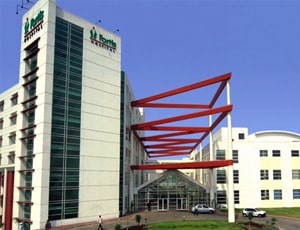
Fortis Hospital offers advanced Adolescent Idiopathic Scoliosis Treatment using modern spinal techniques and internationally accepted treatment protocols. Established in 2004, the NABH, NABL accredited hospital is located in Noida, India, with 400 beds, providing specialised spine care for local and international patients.
Treatment depends on the severity of the spinal curvature, the patient's age, skeletal maturity, and risk of progression. Mild curves may be monitored, while moderate curves may be managed with bracing. Severe or progressive curves may require spinal fusion or other corrective surgery. Regular imaging and clinical assessment help guide treatment decisions.
Medicana Bahcelievler Hospital offers advanced Adolescent Idiopathic Scoliosis Treatment using modern spinal techniques and internationally accepted treatment protocols. Established in 2004, the JCI accredited hospital is located in Istanbul, Turkey, with 89 beds, providing specialised spine care for local and international patients.
Treatment depends on the severity of the spinal curvature, the patient's age, skeletal maturity, and risk of progression. Mild curves may be monitored, while moderate curves may be managed with bracing. Severe or progressive curves may require spinal fusion or other corrective surgery. Regular imaging and clinical assessment help guide treatment decisions.
With advanced spine-care infrastructure, NeuroGen Brain and Spine Institute offers Adolescent Idiopathic Scoliosis Treatment for children and adolescents with abnormal spinal curvature. Established in 2008, the ISO accredited hospital is located in Mumbai, India, and has 40 beds.
Depending on the condition, treatment may involve observation, scoliosis-specific exercises, bracing, or surgery. Spinal fusion may be considered when the curvature is severe or continues to progress despite non-surgical management. Before treatment, specialists evaluate the curve using standing X-rays, assess skeletal maturity, and consider the patient's symptoms and overall health.
Acibadem Maslak Hospital offers specialised Adolescent Idiopathic Scoliosis Treatment using modern spinal technology and established orthopaedic treatment protocols. Established in 2009, the JCI accredited hospital is situated in Istanbul, Turkey, with 364 beds, serving local and international patients.
Treatment aims to control curve progression and improve spinal alignment and function, while accounting for the patient's remaining growth. Depending on severity, options may include observation, physiotherapy, bracing, or corrective surgery such as spinal fusion. A comprehensive assessment of spinal curvature, growth stage, symptoms, and imaging findings helps the specialist determine the most appropriate treatment plan.
The Medical Park provides Adolescent Idiopathic Scoliosis Treatment using contemporary spinal correction techniques and evidence-based care. Founded in 1987, the accredited hospital is based in Chennai, India, with 300 beds and services for domestic and international patients.
The treatment approach is tailored according to the spinal curvature and remaining growth potential. Patients with smaller curves may require periodic monitoring, while bracing can help limit progression in selected growing adolescents. For severe curves, spinal fusion and other corrective procedures may be recommended. Detailed spinal imaging helps determine the appropriate treatment strategy.
Manipal Hospital, Dwarka offers specialised Adolescent Idiopathic Scoliosis Treatment using modern spinal technology and established orthopaedic treatment protocols. Established in 2018, the NABH accredited hospital is situated in Delhi, India, with 380 beds, serving local and international patients.
Treatment aims to control curve progression and improve spinal alignment and function, while accounting for the patient's remaining growth. Depending on severity, options may include observation, physiotherapy, bracing, or corrective surgery such as spinal fusion. A comprehensive assessment of spinal curvature, growth stage, symptoms, and imaging findings helps the specialist determine the most appropriate treatment plan.
Guven Hospital offers specialised Adolescent Idiopathic Scoliosis Treatment using modern spinal technology and established orthopaedic treatment protocols. Established in 1975, the GHA accredited hospital is situated in Ankara, Turkey, with 254 beds, serving local and international patients.
Treatment aims to control curve progression and improve spinal alignment and function, while accounting for the patient's remaining growth. Depending on severity, options may include observation, physiotherapy, bracing, or corrective surgery such as spinal fusion. A comprehensive assessment of spinal curvature, growth stage, symptoms, and imaging findings helps the specialist determine the most appropriate treatment plan.
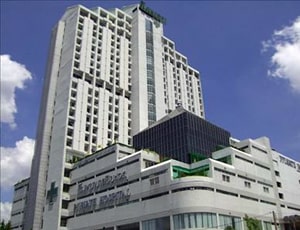
Piyavate Hospital offers advanced Adolescent Idiopathic Scoliosis Treatment using modern spinal techniques and internationally accepted treatment protocols. Established in 1993, the JCI, ISO accredited hospital is located in Bangkok, Thailand, with 150 beds, providing specialised spine care for local and international patients.
Treatment depends on the severity of the spinal curvature, the patient's age, skeletal maturity, and risk of progression. Mild curves may be monitored, while moderate curves may be managed with bracing. Severe or progressive curves may require spinal fusion or other corrective surgery. Regular imaging and clinical assessment help guide treatment decisions.
At Yatharth hospital, patients can access comprehensive Adolescent Idiopathic Scoliosis Treatment supported by advanced spinal imaging and experienced orthopaedic or neurosurgical specialists. Established in 2008, the JCI, NABH, NABL accredited hospital is located in Delhi, India, and has 400 beds.
Treatment may include observation, physiotherapy, bracing, or corrective spinal surgery, depending on the degree and progression of the curve. Bracing may be recommended for growing adolescents with moderate scoliosis, while surgery may be considered for severe or progressive curves. X-rays and physical examinations help specialists develop an individualised treatment plan.
Vinmec Times City offers specialised Adolescent Idiopathic Scoliosis Treatment using modern spinal technology and established orthopaedic treatment protocols. Established in 2012, the JCI accredited hospital is situated in Ha noi, Vietnam, with 500 beds, serving local and international patients.
Treatment aims to control curve progression and improve spinal alignment and function, while accounting for the patient's remaining growth. Depending on severity, options may include observation, physiotherapy, bracing, or corrective surgery such as spinal fusion. A comprehensive assessment of spinal curvature, growth stage, symptoms, and imaging findings helps the specialist determine the most appropriate treatment plan.
Vinmec Phu Quoc Hospital provides Adolescent Idiopathic Scoliosis Treatment using contemporary spinal correction techniques and evidence-based care. Founded in 2015, the JCI accredited hospital is based in Phu Quoc, Vietnam, with 150 beds and services for domestic and international patients.
The treatment approach is tailored according to the spinal curvature and remaining growth potential. Patients with smaller curves may require periodic monitoring, while bracing can help limit progression in selected growing adolescents. For severe curves, spinal fusion and other corrective procedures may be recommended. Detailed spinal imaging helps determine the appropriate treatment strategy.