
The Oncology Department at Srikara Hospitals in India offers cancer prevention, diagnosis, and treatment. Medical oncology (chemotherapy, immunotherapy), surgical oncology (surgery for tumor removal), and radiation oncology (radiotherapy) fall under this. Oncologists practice in a multidisciplinary team to treat cancers involving multiple organs, such as the lungs, breasts, colon, prostate, etc.
The oncology department includes early detection, staging, and tailored treatment plans depending on the biology of the tumor. It also enables palliative care in symptom control and improvement of the quality of life in stage-advanced patients. PET-CT, targeted therapy, and precision medicine are essential technologies in India. Oncologists work with pathologists, radiologists, and surgeons for a multidisciplinary approach.
Please Enquire

The Oncology Department at Tx Hospitals Banjara Hills in India deals with cancer diagnosis, treatment, and management, employing medical, surgical, and radiation interventions. The subspeciality is concerned with diverse cancers, including breast, lung, cervical, prostate, and gastrointestinal cancer. Treatment may involve chemotherapy, radiation therapy, immunotherapy, hormone therapy, or surgery, usually conducted through multidisciplinary tumor boards.
New technologies like linear accelerators, robotic surgery, and molecular diagnostics enable precise and effective treatment in India. Palliative medicine is also an important area of oncology, which brings relief and quality of life to late-stage patients. It closely coordinates with pathology, radiology, and genetics to offer customised treatment protocols.


The Oncology Department at Arab Medical Centre in Jordan provides personalised cancer care designed to support accurate diagnosis, effective treatment, recovery, and long-term quality of life.
The department follows evidence-based oncology protocols tailored to each patient’s cancer type, stage, and overall medical condition. Services include medical oncology, chemotherapy, targeted therapy, immunotherapy, and comprehensive supportive care for a wide range of cancers. Patients receive individual assessments from experienced oncologists who work closely with multidisciplinary teams to develop structured, patient-focused treatment plans. Advanced diagnostic technology, modern treatment facilities, and continuous monitoring ensure safe, precise, and effective care. The department also emphasises patient education, symptom management, and emotional support throughout the treatment journey.
Known for its compassionate, patient-centred approach and clinical excellence, Arab Medical Centre is a trusted destination for specialised oncology care in Jordan.

Please Enquire

The Proton Therapy Center at Quirónsalud Madrid University Hospital is a pioneering oncology facility in Spain, offering advanced cancer treatment through precision proton beam therapy. As part of the Quirónsalud network, the center specializes in treating tumors located near vital organs and is especially effective in pediatric cancers. Commonly treated conditions include brain tumors, head and neck cancers, prostate cancer, spinal tumors, and recurrent malignancies.
Proton therapy uses pencil beam scanning to deliver targeted radiation, minimizing damage to healthy tissues. The center is equipped with cutting-edge diagnostic tools such as PET-CT, MRI, and CT simulators to ensure accurate treatment planning.
In addition to proton therapy, patients receive comprehensive care including chemotherapy, immunotherapy, and oncologic surgery. A multidisciplinary team of oncologists, radiologists, and specialists ensures personalized treatment and ongoing support. The center is also active in research and global collaboration, positioning it at the forefront of cancer care in Europe.

The Oncology Department at Fortis Hospital, Mohali in India, deals with cancer diagnosis, treatment, and management, employing medical, surgical, and radiation interventions. The subspeciality is concerned with diverse cancers, including breast, lung, cervical, prostate, and gastrointestinal cancer. Treatment may involve chemotherapy, radiation therapy, immunotherapy, hormone therapy, or surgery, usually conducted through multidisciplinary tumor boards.
New technologies like linear accelerators, robotic surgery, and molecular diagnostics enable precise and effective treatment in India. Palliative medicine is also an important area of oncology, which brings relief and quality of life to late-stage patients. It closely coordinates with pathology, radiology, and genetics to offer customised treatment protocols.

Fortis Flt. Lt. Rajan Dhall Hospital
Delhi, India
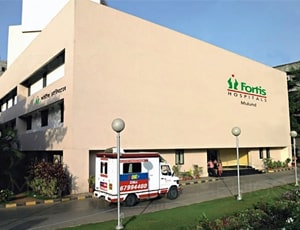
One of the finest locations to get state-of-the-art oncology treatment is Fortis Hospital in Mumbai, India. A team of experienced radiation, medical, and surgical oncologists at the Fortis Cancer Centre provides interdisciplinary care, developing personalised treatment plans for each patient. The hospital maintains precision and efficiency in addressing intricate tumours, including gastrointestinal, thoracic, and head and neck cancers, by applying advanced technologies such as the Radixact 9 TomoTherapy system and robotic surgery techniques. Early diagnosis, innovative treatments, genetic counselling, and palliative care are all included in its holistic strategy for cancer treatment in India.
Please Enquire

One of the finest locations to get state-of-the-art oncology treatment is Manipal Hospital in India. A team of experienced radiation, medical, and surgical oncologists at the hospital's Manipal Cancer Centre provides interdisciplinary care, developing personalised treatment plans for each patient. The hospital maintains precision and efficiency in addressing intricate tumours, including gastrointestinal, thoracic, and head and neck cancers, by applying advanced technologies such as the Radixact 9 TomoTherapy system and robotic surgery techniques. Early diagnosis, innovative treatments, genetic counselling, and palliative care are all included in its holistic strategy for cancer treatment in India.
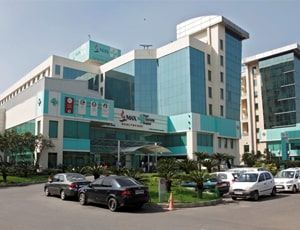
Max Super Speciality Hospital in India (Saket) is a top choice for full-range oncology care in India. The hospital provides a multidisciplinary model of cancer care, combining surgical, medical, and radiation oncology services. Sophisticated treatments include chemotherapy, immunotherapy, targeted therapy, and innovative radiation methods such as IMRT, IGRT, and SRS/SRT. The hospital is also well-equipped with advanced technologies like the Da Vinci XI robotic system for laparoscopic surgeries. Max Oncology staff specialises in treating breast, lung, gastrointestinal, and head and neck cancers. The hospital believes in delivering excellence, as seen by its accreditations from NABH and JCI, and in maintaining the highest standards of patient care.

Bayındır Healthcare Group provides comprehensive cancer treatment in Turkey, including medical, surgical, and radiation oncology. The hospitals are well-equipped with up-to-date diagnostic equipment and treatment techniques, such as chemotherapy, immunotherapy, and targeted therapies. Multidisciplinary groups work together to create individualised treatment plans to provide the best possible results for patients in Turkey. The services include palliative care, genetic counselling, and support for families and patients at all stages of treatment. The organisation prioritises early diagnosis and evidence-based treatment, hoping to deliver excellent care in the war against cancer.
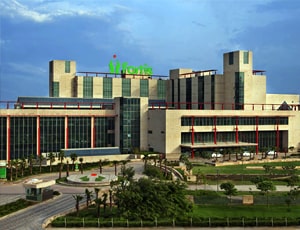
Fortis Memorial Research Institute
Gurgaon, India


