Browse verified doctors or let our care team help you find the doctor best suited to your condition, treatment goals, and budget.

Ruby Hall Clinic provides specialized Uterine Cancer Treatment with an emphasis on comprehensive cancer evaluation, evidence-based treatment, and ongoing follow-up care. Established in 1959, the NABH, NABL accredited hospital is based in Pune, India and has 600 beds supported by modern oncology and gynecological treatment facilities.
Uterine Cancer Treatment is planned after confirming the diagnosis and assessing the cancer's stage, grade, and biological characteristics. Surgery is frequently used for cancers that can be removed safely and may be followed by radiation or systemic therapy when additional treatment is needed. Depending on the cancer subtype and molecular profile, medicines such as chemotherapy, hormone therapy, targeted therapy, or immunotherapy may be considered. Follow-up appointments help monitor recovery, manage treatment-related effects, and detect possible recurrence.
Yashoda Hospital, Malakpet provides specialized Uterine Cancer Treatment with a focus on accurate cancer staging, individualized treatment planning, and comprehensive gynecologic oncology care. Established in 1989, the NABH, NABL accredited hospital is located in Hyderabad, India and operates 404 beds with modern oncology, gynecology, and surgical facilities.
Uterine Cancer Treatment depends on the type and stage of cancer, the patient's overall health, and other individual factors. Surgery is commonly used for localized disease and may involve removal of the uterus and cervix, with additional removal of the ovaries and fallopian tubes when appropriate. Depending on the risk and extent of disease, treatment may also include radiation therapy, chemotherapy, hormone therapy, targeted therapy, or immunotherapy. Imaging, biopsy, and staging assessments help doctors develop an appropriate treatment plan.
Anadolu Medical Center offers dedicated Uterine Cancer Treatment with gynecologic oncologists, modern surgical facilities, and multidisciplinary cancer care. Established in 2005, the JCI, ISO accredited hospital is situated in Kocaeli, Turkey and has 268 beds supporting specialized oncology treatment.
Uterine Cancer Treatment aims to control or eliminate cancer while considering the patient's overall health and treatment goals. Early-stage disease may often be managed surgically, with the procedure tailored to the extent of cancer. Patients with higher-risk or advanced disease may require additional radiation, chemotherapy, hormonal treatment, targeted therapy, or immune-based treatment. Before therapy begins, specialists may use biopsy results, imaging, and other tests to determine the cancer stage and guide treatment selection.
At I.A.U VM Medical Park Florya Hospital, Uterine Cancer Treatment is provided through personalized cancer treatment plans supported by experienced specialists and advanced diagnostic technology. Established in 2017, the JCI accredited hospital in Istanbul, Turkey has 300 beds and offers comprehensive gynecologic oncology services.
Uterine Cancer Treatment is selected according to the cancer's histological type, stage, grade, and molecular characteristics. For many patients, surgery may be the primary treatment, while radiation therapy or systemic medicines may be recommended based on the risk of recurrence or spread. Advanced disease may require combinations of chemotherapy, hormone therapy, targeted medicines, or immunotherapy. Regular imaging and clinical assessments help evaluate treatment response and monitor for recurrence.
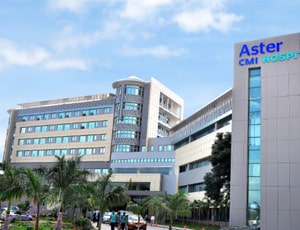
Aster CMI Hospital provides specialized Uterine Cancer Treatment with an emphasis on comprehensive cancer evaluation, evidence-based treatment, and ongoing follow-up care. Established in 2014, the JCI, NABH, NABL accredited hospital is based in Bangalore, India and has 500 beds supported by modern oncology and gynecological treatment facilities.
Uterine Cancer Treatment is planned after confirming the diagnosis and assessing the cancer's stage, grade, and biological characteristics. Surgery is frequently used for cancers that can be removed safely and may be followed by radiation or systemic therapy when additional treatment is needed. Depending on the cancer subtype and molecular profile, medicines such as chemotherapy, hormone therapy, targeted therapy, or immunotherapy may be considered. Follow-up appointments help monitor recovery, manage treatment-related effects, and detect possible recurrence.
At Burjeel Medical City, Uterine Cancer Treatment is provided through personalized cancer treatment plans supported by experienced specialists and advanced diagnostic technology. Established in 2017, the ISO accredited hospital in Abu Dhabi, United Arab Emirates has 350 beds and offers comprehensive gynecologic oncology services.
Uterine Cancer Treatment is selected according to the cancer's histological type, stage, grade, and molecular characteristics. For many patients, surgery may be the primary treatment, while radiation therapy or systemic medicines may be recommended based on the risk of recurrence or spread. Advanced disease may require combinations of chemotherapy, hormone therapy, targeted medicines, or immunotherapy. Regular imaging and clinical assessments help evaluate treatment response and monitor for recurrence.
Biruni University Hospital provides specialized Uterine Cancer Treatment with an emphasis on comprehensive cancer evaluation, evidence-based treatment, and ongoing follow-up care. Established in 2016, the JCI accredited hospital is based in Istanbul, Turkey and has 617 beds supported by modern oncology and gynecological treatment facilities.
Uterine Cancer Treatment is planned after confirming the diagnosis and assessing the cancer's stage, grade, and biological characteristics. Surgery is frequently used for cancers that can be removed safely and may be followed by radiation or systemic therapy when additional treatment is needed. Depending on the cancer subtype and molecular profile, medicines such as chemotherapy, hormone therapy, targeted therapy, or immunotherapy may be considered. Follow-up appointments help monitor recovery, manage treatment-related effects, and detect possible recurrence.
At MGM Healthcare, Uterine Cancer Treatment is provided through personalized cancer treatment plans supported by experienced specialists and advanced diagnostic technology. Established in 2016, the NABH, NABL, JCI accredited hospital in Chennai, India has 400 beds and offers comprehensive gynecologic oncology services.
Uterine Cancer Treatment is selected according to the cancer's histological type, stage, grade, and molecular characteristics. For many patients, surgery may be the primary treatment, while radiation therapy or systemic medicines may be recommended based on the risk of recurrence or spread. Advanced disease may require combinations of chemotherapy, hormone therapy, targeted medicines, or immunotherapy. Regular imaging and clinical assessments help evaluate treatment response and monitor for recurrence.
Apollo Hospitals Bannerghatta provides specialized Uterine Cancer Treatment with a focus on accurate cancer staging, individualized treatment planning, and comprehensive gynecologic oncology care. Established in 2007, the JCI accredited hospital is located in Bangalore, India and operates 350 beds with modern oncology, gynecology, and surgical facilities.
Uterine Cancer Treatment depends on the type and stage of cancer, the patient's overall health, and other individual factors. Surgery is commonly used for localized disease and may involve removal of the uterus and cervix, with additional removal of the ovaries and fallopian tubes when appropriate. Depending on the risk and extent of disease, treatment may also include radiation therapy, chemotherapy, hormone therapy, targeted therapy, or immunotherapy. Imaging, biopsy, and staging assessments help doctors develop an appropriate treatment plan.
At Fortis Hospital, Uterine Cancer Treatment is provided through personalized cancer treatment plans supported by experienced specialists and advanced diagnostic technology. Established in 2001, the NABH, NABL, JCI accredited hospital in Bangalore, India has 375 beds and offers comprehensive gynecologic oncology services.
Uterine Cancer Treatment is selected according to the cancer's histological type, stage, grade, and molecular characteristics. For many patients, surgery may be the primary treatment, while radiation therapy or systemic medicines may be recommended based on the risk of recurrence or spread. Advanced disease may require combinations of chemotherapy, hormone therapy, targeted medicines, or immunotherapy. Regular imaging and clinical assessments help evaluate treatment response and monitor for recurrence.
Faridabad, India
Sarvodaya Hospital and Research Centre provides specialized Uterine Cancer Treatment with an emphasis on comprehensive cancer evaluation, evidence-based treatment, and ongoing follow-up care. Established in 1997, the NABH, NABL accredited hospital is based in Faridabad, India and has 500 beds supported by modern oncology and gynecological treatment facilities.
Uterine Cancer Treatment is planned after confirming the diagnosis and assessing the cancer's stage, grade, and biological characteristics. Surgery is frequently used for cancers that can be removed safely and may be followed by radiation or systemic therapy when additional treatment is needed. Depending on the cancer subtype and molecular profile, medicines such as chemotherapy, hormone therapy, targeted therapy, or immunotherapy may be considered. Follow-up appointments help monitor recovery, manage treatment-related effects, and detect possible recurrence.
Sharjah, United Arab Emirates
Zulekha Hospital Sharjah offers dedicated Uterine Cancer Treatment with gynecologic oncologists, modern surgical facilities, and multidisciplinary cancer care. Established in 1992, the JCI accredited hospital is situated in Sharjah, United Arab Emirates and has 185 beds supporting specialized oncology treatment.
Uterine Cancer Treatment aims to control or eliminate cancer while considering the patient's overall health and treatment goals. Early-stage disease may often be managed surgically, with the procedure tailored to the extent of cancer. Patients with higher-risk or advanced disease may require additional radiation, chemotherapy, hormonal treatment, targeted therapy, or immune-based treatment. Before therapy begins, specialists may use biopsy results, imaging, and other tests to determine the cancer stage and guide treatment selection.
At Medipol Mega University Hospital, Uterine Cancer Treatment is provided through personalized cancer treatment plans supported by experienced specialists and advanced diagnostic technology. Established in 2012, the JCI accredited hospital in Istanbul, Turkey has 810 beds and offers comprehensive gynecologic oncology services.
Uterine Cancer Treatment is selected according to the cancer's histological type, stage, grade, and molecular characteristics. For many patients, surgery may be the primary treatment, while radiation therapy or systemic medicines may be recommended based on the risk of recurrence or spread. Advanced disease may require combinations of chemotherapy, hormone therapy, targeted medicines, or immunotherapy. Regular imaging and clinical assessments help evaluate treatment response and monitor for recurrence.
Fortis Hospital offers dedicated Uterine Cancer Treatment with gynecologic oncologists, modern surgical facilities, and multidisciplinary cancer care. Established in 2011, the NABH, NABL accredited hospital is situated in Kolkata, India and has 400 beds supporting specialized oncology treatment.
Uterine Cancer Treatment aims to control or eliminate cancer while considering the patient's overall health and treatment goals. Early-stage disease may often be managed surgically, with the procedure tailored to the extent of cancer. Patients with higher-risk or advanced disease may require additional radiation, chemotherapy, hormonal treatment, targeted therapy, or immune-based treatment. Before therapy begins, specialists may use biopsy results, imaging, and other tests to determine the cancer stage and guide treatment selection.
HCG Kalinga Rao Road offers dedicated Uterine Cancer Treatment with gynecologic oncologists, modern surgical facilities, and multidisciplinary cancer care. Established in 1989, the ISO, NABH accredited hospital is situated in Bangalore, India and has 250 beds supporting specialized oncology treatment.
Uterine Cancer Treatment aims to control or eliminate cancer while considering the patient's overall health and treatment goals. Early-stage disease may often be managed surgically, with the procedure tailored to the extent of cancer. Patients with higher-risk or advanced disease may require additional radiation, chemotherapy, hormonal treatment, targeted therapy, or immune-based treatment. Before therapy begins, specialists may use biopsy results, imaging, and other tests to determine the cancer stage and guide treatment selection.
| Speciality | Oncology |
| Procedure | Uterine Cancer Treatment |
| Success Rate | Varies as per stage, grade, type and location of cancer |
| Recovery Time | Few weeks to several months |
| Treatment Time | A few months to a year |
| Chances of Recurrence | Varies as per stage, grade, type and location of cancer |