Browse verified doctors or let our care team help you find the doctor best suited to your condition, treatment goals, and budget.

Choosing AFRICAN FERTILITY CENTRE (AFC) for Head & Neck Cancer Treatment gives patients access to experienced head and neck cancer specialists, advanced diagnostic technology, and comprehensive multidisciplinary oncology services. Established in 1999, the ISO d hospital in Casablanca, Morocco it has adequate bed capacity and provides specialized cancer care.
Head & Neck Cancer Treatment may be considered when malignant tumors develop in structures of the head and neck, including the oral cavity, pharynx, larynx, nasal cavity, or salivary glands. Doctors determine treatment based on the cancer's stage, anatomical location, pathology, and overall patient condition. Depending on these factors, treatment can include surgery, radiation therapy, chemotherapy, targeted medicines, or immunotherapy. Advanced radiation and surgical techniques may help target cancer while limiting damage to surrounding healthy tissues. Regular follow-up is important for monitoring response and recurrence.
Choosing Woodlands Hospital for Head & Neck Cancer Treatment gives patients access to experienced head and neck cancer specialists, advanced diagnostic technology, and comprehensive multidisciplinary oncology services. Established in 2001, the d hospital in Darlington, United Kingdom has 38 beds and provides specialized cancer care.
Head & Neck Cancer Treatment may be considered when malignant tumors develop in structures of the head and neck, including the oral cavity, pharynx, larynx, nasal cavity, or salivary glands. Doctors determine treatment based on the cancer's stage, anatomical location, pathology, and overall patient condition. Depending on these factors, treatment can include surgery, radiation therapy, chemotherapy, targeted medicines, or immunotherapy. Advanced radiation and surgical techniques may help target cancer while limiting damage to surrounding healthy tissues. Regular follow-up is important for monitoring response and recurrence.
Burjeel Specialty Hospital, Sharjah provides specialised Head & Neck Cancer Treatment with a focus on accurate staging, multidisciplinary treatment planning, tumor control, functional preservation, and long-term follow-up. Established in 2019, the JCI hospital is located in Sharjah, United Arab Emirates and operates 75 beds with modern oncology infrastructure.
Head & Neck Cancer Treatment encompasses a range of therapies tailored to the patient's specific cancer and clinical condition. Depending on the tumor type and stage, treatment may include minimally invasive or open surgery, advanced radiation techniques, chemotherapy, targeted therapy, immunotherapy, or combined treatment approaches. Comprehensive evaluation may involve biopsy, CT or MRI, PET imaging, endoscopy, and other staging investigations. Multidisciplinary management also considers nutrition, speech, swallowing, dental health, and rehabilitation to support recovery and quality of life.
Tx Hospitals Banjara Hills is a trusted healthcare provider for Head & Neck Cancer Treatment, offering specialised head and neck oncology care supported by experienced oncologists, head and neck surgeons, radiation specialists, pathologists, and rehabilitation professionals. Established in 2020, the JCI, NABH hospital is situated in Hyderabad, India and has 100 beds.
Head & Neck Cancer Treatment aims to control or eliminate malignant disease while preserving important anatomical structures and quality of life whenever possible. Treatment depends on factors including tumor site, stage, lymph node involvement, pathology, and the patient's overall health. Surgery may be used to remove localised tumors, while radiation and systemic therapies may be administered before or after surgery or as definitive treatment in selected cases. Supportive services such as nutritional, speech, swallowing, and rehabilitation care may form part of comprehensive treatment.
Arab Medical Center offers advanced Head & Neck Cancer Treatment using modern oncology techniques and internationally accepted treatment protocols. Established in 1997, the JCI hospital is located in Amman, Jordan and has 243 beds, providing comprehensive cancer care for local and international patients.
Head & Neck Cancer Treatment is planned according to the location, type, stage, and biological characteristics of the cancer. Treatment may include surgery, radiation therapy, chemotherapy, targeted therapy, immunotherapy, or a combination of these approaches. Cancers may affect the oral cavity, throat, larynx, salivary glands, nasal cavity, and other structures of the head and neck. Before treatment, patients typically undergo biopsy, imaging, endoscopic evaluation, and staging investigations. Multidisciplinary care helps address cancer control while preserving important functions such as swallowing, speech, and breathing.
Choosing Proton therapy center Quirónsalud Madrid for Head & Neck Cancer Treatment gives patients access to experienced head and neck cancer specialists, advanced diagnostic technology, and comprehensive multidisciplinary oncology services. Established in 2019, the ISO d hospital in Madrid, Spain has - beds and provides specialized cancer care.
Head & Neck Cancer Treatment may be considered when malignant tumors develop in structures of the head and neck, including the oral cavity, pharynx, larynx, nasal cavity, or salivary glands. Doctors determine treatment based on the cancer's stage, anatomical location, pathology, and overall patient condition. Depending on these factors, treatment can include surgery, radiation therapy, chemotherapy, targeted medicines, or immunotherapy. Advanced radiation and surgical techniques may help target cancer while limiting damage to surrounding healthy tissues. Regular follow-up is important for monitoring response and recurrence.
Choosing Fortis Hospital for Head & Neck Cancer Treatment gives patients access to experienced head and neck cancer specialists, advanced diagnostic technology, and comprehensive multidisciplinary oncology services. Established in 2006, the JCI, NABH d hospital in Mohali, India has 276 beds and provides specialized cancer care.
Head & Neck Cancer Treatment may be considered when malignant tumors develop in structures of the head and neck, including the oral cavity, pharynx, larynx, nasal cavity, or salivary glands. Doctors determine treatment based on the cancer's stage, anatomical location, pathology, and overall patient condition. Depending on these factors, treatment can include surgery, radiation therapy, chemotherapy, targeted medicines, or immunotherapy. Advanced radiation and surgical techniques may help target cancer while limiting damage to surrounding healthy tissues. Regular follow-up is important for monitoring response and recurrence.
Delhi, India
Fortis Flt. Lt. Rajan Dhall Hospital offers advanced Head & Neck Cancer Treatment using modern oncology techniques and internationally accepted treatment protocols. Established in 2006, the NABH hospital is located in Delhi, India and has 162 beds, providing comprehensive cancer care for local and international patients.
Head & Neck Cancer Treatment is planned according to the location, type, stage, and biological characteristics of the cancer. Treatment may include surgery, radiation therapy, chemotherapy, targeted therapy, immunotherapy, or a combination of these approaches. Cancers may affect the oral cavity, throat, larynx, salivary glands, nasal cavity, and other structures of the head and neck. Before treatment, patients typically undergo biopsy, imaging, endoscopic evaluation, and staging investigations. Multidisciplinary care helps address cancer control while preserving important functions such as swallowing, speech, and breathing.
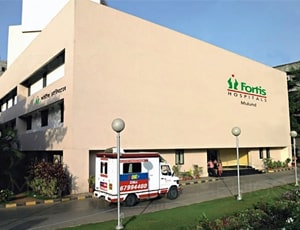
Choosing Fortis Hospital, Mulund for Head & Neck Cancer Treatment gives patients access to experienced head and neck cancer specialists, advanced diagnostic technology, and comprehensive multidisciplinary oncology services. Established in 2002, the JCI, NABH d hospital in Mumbai, India has 315 beds and provides specialized cancer care.
Head & Neck Cancer Treatment may be considered when malignant tumors develop in structures of the head and neck, including the oral cavity, pharynx, larynx, nasal cavity, or salivary glands. Doctors determine treatment based on the cancer's stage, anatomical location, pathology, and overall patient condition. Depending on these factors, treatment can include surgery, radiation therapy, chemotherapy, targeted medicines, or immunotherapy. Advanced radiation and surgical techniques may help target cancer while limiting damage to surrounding healthy tissues. Regular follow-up is important for monitoring response and recurrence.
Manipal Hospital, Hebbal is a trusted healthcare provider for Head & Neck Cancer Treatment, offering specialised head and neck oncology care supported by experienced oncologists, head and neck surgeons, radiation specialists, pathologists, and rehabilitation professionals. Established in 1991, the NABL, NABH hospital is situated in Bangalore, India and has 280 beds.
Head & Neck Cancer Treatment aims to control or eliminate malignant disease while preserving important anatomical structures and quality of life whenever possible. Treatment depends on factors including tumor site, stage, lymph node involvement, pathology, and the patient's overall health. Surgery may be used to remove localised tumors, while radiation and systemic therapies may be administered before or after surgery or as definitive treatment in selected cases. Supportive services such as nutritional, speech, swallowing, and rehabilitation care may form part of comprehensive treatment.
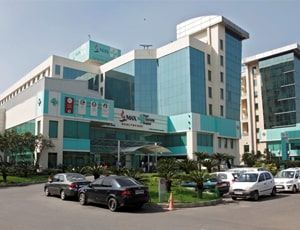
Max Super Speciality Hospital, Saket offers advanced Head & Neck Cancer Treatment using modern oncology techniques and internationally accepted treatment protocols. Established in 2006, the JCI, NABH hospital is located in Delhi, India and has 539 beds, providing comprehensive cancer care for local and international patients.
Head & Neck Cancer Treatment is planned according to the location, type, stage, and biological characteristics of the cancer. Treatment may include surgery, radiation therapy, chemotherapy, targeted therapy, immunotherapy, or a combination of these approaches. Cancers may affect the oral cavity, throat, larynx, salivary glands, nasal cavity, and other structures of the head and neck. Before treatment, patients typically undergo biopsy, imaging, endoscopic evaluation, and staging investigations. Multidisciplinary care helps address cancer control while preserving important functions such as swallowing, speech, and breathing.
Bayindir Healthcare Group provides specialised Head & Neck Cancer Treatment with a focus on accurate staging, multidisciplinary treatment planning, tumor control, functional preservation, and long-term follow-up. Established in 1992, the JCI hospital is located in Ankara, Turkey and operates 153 beds with modern oncology infrastructure.
Head & Neck Cancer Treatment encompasses a range of therapies tailored to the patient's specific cancer and clinical condition. Depending on the tumor type and stage, treatment may include minimally invasive or open surgery, advanced radiation techniques, chemotherapy, targeted therapy, immunotherapy, or combined treatment approaches. Comprehensive evaluation may involve biopsy, CT or MRI, PET imaging, endoscopy, and other staging investigations. Multidisciplinary management also considers nutrition, speech, swallowing, dental health, and rehabilitation to support recovery and quality of life.
Gurgaon, India
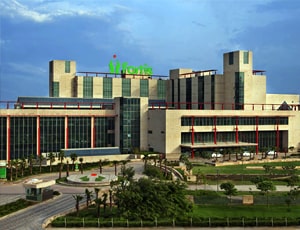
Choosing Fortis Memorial Research Institute for Head & Neck Cancer Treatment gives patients access to experienced head and neck cancer specialists, advanced diagnostic technology, and comprehensive multidisciplinary oncology services. Established in 2013, the JCI, NABH, NABL d hospital in Gurgaon, India has 311 beds and provides specialized cancer care.
Head & Neck Cancer Treatment may be considered when malignant tumors develop in structures of the head and neck, including the oral cavity, pharynx, larynx, nasal cavity, or salivary glands. Doctors determine treatment based on the cancer's stage, anatomical location, pathology, and overall patient condition. Depending on these factors, treatment can include surgery, radiation therapy, chemotherapy, targeted medicines, or immunotherapy. Advanced radiation and surgical techniques may help target cancer while limiting damage to surrounding healthy tissues. Regular follow-up is important for monitoring response and recurrence.
Medicana Avcilar offers advanced Head & Neck Cancer Treatment using modern oncology techniques and internationally accepted treatment protocols. Established in 1995, the JCI hospital is located in Istanbul, Turkey and has 63 beds, providing comprehensive cancer care for local and international patients.
Head & Neck Cancer Treatment is planned according to the location, type, stage, and biological characteristics of the cancer. Treatment may include surgery, radiation therapy, chemotherapy, targeted therapy, immunotherapy, or a combination of these approaches. Cancers may affect the oral cavity, throat, larynx, salivary glands, nasal cavity, and other structures of the head and neck. Before treatment, patients typically undergo biopsy, imaging, endoscopic evaluation, and staging investigations. Multidisciplinary care helps address cancer control while preserving important functions such as swallowing, speech, and breathing.
Medicana Sivas Hospital provides specialised Head & Neck Cancer Treatment with a focus on accurate staging, multidisciplinary treatment planning, tumor control, functional preservation, and long-term follow-up. Established in 2015, the JCI hospital is located in Sivas, Turkey and operates 105 beds with modern oncology infrastructure.
Head & Neck Cancer Treatment encompasses a range of therapies tailored to the patient's specific cancer and clinical condition. Depending on the tumor type and stage, treatment may include minimally invasive or open surgery, advanced radiation techniques, chemotherapy, targeted therapy, immunotherapy, or combined treatment approaches. Comprehensive evaluation may involve biopsy, CT or MRI, PET imaging, endoscopy, and other staging investigations. Multidisciplinary management also considers nutrition, speech, swallowing, dental health, and rehabilitation to support recovery and quality of life.