Browse verified doctors or let our care team help you find the doctor best suited to your condition, treatment goals, and budget.

Delhi, India
At BLK-Max Super Speciality Hospital, Stroke Treatment is performed using specialized stroke-management protocols and comprehensive neurological assessment. Established in 1959, this JCI, NABH accredited hospital in Delhi, India has 650 beds and offers advanced emergency, neurovascular, neurosurgical, and rehabilitation services.
Stroke Treatment may be considered for patients presenting with symptoms such as sudden weakness, facial drooping, speech difficulty, vision changes, or loss of coordination. Rapid brain imaging, commonly CT or MRI, helps determine whether the stroke is ischemic or hemorrhagic and identifies the appropriate treatment pathway. Depending on the findings, patients may receive clot-dissolving medication, endovascular thrombectomy, neurosurgical treatment, or supportive medical management.
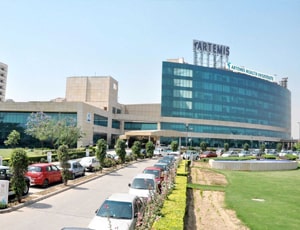
Artemis Health Institute provides specialised Stroke Treatment with a focus on rapid diagnosis, evidence-based acute stroke management, advanced neurovascular intervention, and individualized rehabilitation. Established in 2007, the JCI, NABH accredited hospital is located in Gurgaon, India and operates 750 beds, with modern emergency, neurological, neurointerventional, intensive-care, and rehabilitation infrastructure.
Stroke Treatment is tailored according to stroke type, severity, timing, affected blood vessels or brain structures, and the patient's underlying risk factors. A detailed assessment may include neurological examination, CT or MRI of the brain, vascular imaging, cardiac evaluation, and laboratory investigations. The treatment team develops an individualized plan to address the immediate stroke, manage complications, reduce the risk of another stroke, and support recovery of mobility, communication, swallowing, cognition, and daily functioning.
Choosing Medanta - The Medicity for Stroke Treatment gives patients access to experienced stroke specialists, advanced brain imaging, neurointerventional facilities, intensive care support, and structured rehabilitation services. Established in 2009, the JCI, NABH accredited hospital in Gurgaon, India has 1250 beds and provides specialized cerebrovascular care.
Stroke Treatment requires rapid assessment because treatment options for acute ischemic stroke can be time-dependent. After initial stabilization, the medical team evaluates neurological function and performs appropriate imaging to identify the type and location of the stroke. Depending on the patient's condition, treatment may include thrombolytic medication, mechanical thrombectomy, management of blood pressure and blood glucose, treatment of brain swelling, or surgery. Following the acute phase, rehabilitation may include physiotherapy, occupational therapy, speech and language therapy, and other supportive services.
At Gleneagles Hospital Mumbai, Stroke Treatment is performed using specialized stroke-management protocols and comprehensive neurological assessment. Established in 1996, this JCI accredited hospital in Mumbai, India has 450 beds and offers advanced emergency, neurovascular, neurosurgical, and rehabilitation services.
Stroke Treatment may be considered for patients presenting with symptoms such as sudden weakness, facial drooping, speech difficulty, vision changes, or loss of coordination. Rapid brain imaging, commonly CT or MRI, helps determine whether the stroke is ischemic or hemorrhagic and identifies the appropriate treatment pathway. Depending on the findings, patients may receive clot-dissolving medication, endovascular thrombectomy, neurosurgical treatment, or supportive medical management.
Ghaziabad, India
At Max Super Specialty Hospital, Vaishali, Stroke Treatment is performed using specialized stroke-management protocols and comprehensive neurological assessment. Established in 2008, this NABL, NABH accredited hospital in Ghaziabad, India has 370 beds and offers advanced emergency, neurovascular, neurosurgical, and rehabilitation services.
Stroke Treatment may be considered for patients presenting with symptoms such as sudden weakness, facial drooping, speech difficulty, vision changes, or loss of coordination. Rapid brain imaging, commonly CT or MRI, helps determine whether the stroke is ischemic or hemorrhagic and identifies the appropriate treatment pathway. Depending on the findings, patients may receive clot-dissolving medication, endovascular thrombectomy, neurosurgical treatment, or supportive medical management.
Max Hospital, Gurgaon provides specialised Stroke Treatment with a focus on rapid diagnosis, evidence-based acute stroke management, advanced neurovascular intervention, and individualized rehabilitation. Established in 2007, the ISO, NABH, NABL accredited hospital is located in Gurgaon, India and operates 104 beds, with modern emergency, neurological, neurointerventional, intensive-care, and rehabilitation infrastructure.
Stroke Treatment is tailored according to stroke type, severity, timing, affected blood vessels or brain structures, and the patient's underlying risk factors. A detailed assessment may include neurological examination, CT or MRI of the brain, vascular imaging, cardiac evaluation, and laboratory investigations. The treatment team develops an individualized plan to address the immediate stroke, manage complications, reduce the risk of another stroke, and support recovery of mobility, communication, swallowing, cognition, and daily functioning.
Choosing Indraprastha Apollo Hospital for Stroke Treatment gives patients access to experienced stroke specialists, advanced brain imaging, neurointerventional facilities, intensive care support, and structured rehabilitation services. Established in 1996, the JCI accredited hospital in Delhi, India has 710 beds and provides specialized cerebrovascular care.
Stroke Treatment requires rapid assessment because treatment options for acute ischemic stroke can be time-dependent. After initial stabilization, the medical team evaluates neurological function and performs appropriate imaging to identify the type and location of the stroke. Depending on the patient's condition, treatment may include thrombolytic medication, mechanical thrombectomy, management of blood pressure and blood glucose, treatment of brain swelling, or surgery. Following the acute phase, rehabilitation may include physiotherapy, occupational therapy, speech and language therapy, and other supportive services.
At Apollo Hospitals, Stroke Treatment is performed using specialized stroke-management protocols and comprehensive neurological assessment. Established in 1988, this JCI accredited hospital in Hyderabad, India has 550 beds and offers advanced emergency, neurovascular, neurosurgical, and rehabilitation services.
Stroke Treatment may be considered for patients presenting with symptoms such as sudden weakness, facial drooping, speech difficulty, vision changes, or loss of coordination. Rapid brain imaging, commonly CT or MRI, helps determine whether the stroke is ischemic or hemorrhagic and identifies the appropriate treatment pathway. Depending on the findings, patients may receive clot-dissolving medication, endovascular thrombectomy, neurosurgical treatment, or supportive medical management.
At Star Hospitals, Stroke Treatment is performed using specialized stroke-management protocols and comprehensive neurological assessment. Established in 2008, this NABH, NABL accredited hospital in Hyderabad, India has 435 beds and offers advanced emergency, neurovascular, neurosurgical, and rehabilitation services.
Stroke Treatment may be considered for patients presenting with symptoms such as sudden weakness, facial drooping, speech difficulty, vision changes, or loss of coordination. Rapid brain imaging, commonly CT or MRI, helps determine whether the stroke is ischemic or hemorrhagic and identifies the appropriate treatment pathway. Depending on the findings, patients may receive clot-dissolving medication, endovascular thrombectomy, neurosurgical treatment, or supportive medical management.
Sterling Wockhardt Hospital offers advanced Stroke Treatment using modern neurological, emergency, and rehabilitation techniques and individualized cerebrovascular care plans. Established in 2001, the NABL accredited hospital is located in Mumbai, India and has 225 beds, providing comprehensive stroke care for local and international patients.
Stroke Treatment is planned according to the type of stroke, affected area of the brain, time since symptom onset, and the patient's overall medical condition. Ischemic stroke may be treated with intravenous thrombolysis and, in eligible patients with a large-vessel blockage, mechanical thrombectomy. Hemorrhagic stroke may require blood pressure management, reversal of anticoagulation, surgical intervention, or other specialized treatment. Rehabilitation is an important part of recovery following stroke.
At nanavati Super Speciality Hospital, Stroke Treatment is performed using specialized stroke-management protocols and comprehensive neurological assessment. Established in 1950, this NABH accredited hospital in Mumbai, India has 350 beds and offers advanced emergency, neurovascular, neurosurgical, and rehabilitation services.
Stroke Treatment may be considered for patients presenting with symptoms such as sudden weakness, facial drooping, speech difficulty, vision changes, or loss of coordination. Rapid brain imaging, commonly CT or MRI, helps determine whether the stroke is ischemic or hemorrhagic and identifies the appropriate treatment pathway. Depending on the findings, patients may receive clot-dissolving medication, endovascular thrombectomy, neurosurgical treatment, or supportive medical management.
Delhi, India
Max Super Speciality Hospital, Patparganj offers advanced Stroke Treatment using modern neurological, emergency, and rehabilitation techniques and individualized cerebrovascular care plans. Established in 2005, the NABH, NABL, AACI accredited hospital is located in Delhi, India and has 400 beds, providing comprehensive stroke care for local and international patients.
Stroke Treatment is planned according to the type of stroke, affected area of the brain, time since symptom onset, and the patient's overall medical condition. Ischemic stroke may be treated with intravenous thrombolysis and, in eligible patients with a large-vessel blockage, mechanical thrombectomy. Hemorrhagic stroke may require blood pressure management, reversal of anticoagulation, surgical intervention, or other specialized treatment. Rehabilitation is an important part of recovery following stroke.
Choosing Venkateshwar Hospital for Stroke Treatment gives patients access to experienced stroke specialists, advanced brain imaging, neurointerventional facilities, intensive care support, and structured rehabilitation services. Established in 2016, the NABL, NABH accredited hospital in Delhi, India has 325 beds and provides specialized cerebrovascular care.
Stroke Treatment requires rapid assessment because treatment options for acute ischemic stroke can be time-dependent. After initial stabilization, the medical team evaluates neurological function and performs appropriate imaging to identify the type and location of the stroke. Depending on the patient's condition, treatment may include thrombolytic medication, mechanical thrombectomy, management of blood pressure and blood glucose, treatment of brain swelling, or surgery. Following the acute phase, rehabilitation may include physiotherapy, occupational therapy, speech and language therapy, and other supportive services.
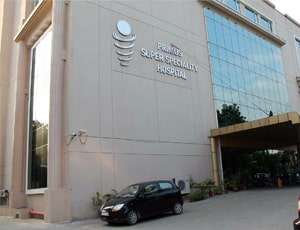
Primus Super Speciality Hospital is a trusted healthcare provider for Stroke Treatment, offering comprehensive stroke care supported by experienced neurologists, neurointerventional specialists, neurosurgeons, emergency physicians, critical-care teams, and rehabilitation professionals. Established in 2001, the NABH- accredited hospital is situated in Delhi, India and has 250 beds.
Stroke Treatment aims to restore or protect brain function, limit neurological injury, and prevent recurrent cerebrovascular events. For eligible ischemic strokes, intravenous thrombolysis may dissolve the clot responsible for reduced blood flow, while mechanical thrombectomy can physically remove a clot from selected large blood vessels. Hemorrhagic stroke management focuses on controlling bleeding, reducing pressure within the skull when necessary, and addressing the underlying cause.
Srikara Hospitals, Miyapur is a trusted healthcare provider for Stroke Treatment, offering comprehensive stroke care supported by experienced neurologists, neurointerventional specialists, neurosurgeons, emergency physicians, critical-care teams, and rehabilitation professionals. Established in 2013, the NABH- accredited hospital is situated in Hyderabad, India and has 200 beds.
Stroke Treatment aims to restore or protect brain function, limit neurological injury, and prevent recurrent cerebrovascular events. For eligible ischemic strokes, intravenous thrombolysis may dissolve the clot responsible for reduced blood flow, while mechanical thrombectomy can physically remove a clot from selected large blood vessels. Hemorrhagic stroke management focuses on controlling bleeding, reducing pressure within the skull when necessary, and addressing the underlying cause.

Baby Ilumbe Darwin, a one-year-old baby, was diagnosed with cerebral palsy, which is a common neurological disorder that appears in infancy or early childhood and…
| Speciality | Neurology |
| Procedure | Stroke Treatment |
| Success Rate | Varies by condition |
| Recovery Time | Varies by condition |
| Treatment Time | Varies by condition |
| Chances of Recurrence | Varies by condition |
Stroke treatment involves a combination of various interventions to minimize damage to the brain. The treatment approach depends on the type of stroke, whether it is ischemic (caused by a blood clot) or hemorrhagic (caused by bleeding in the brain). Ischemic stroke treatment may involve medications to dissolve or remove the clot, while hemorrhagic stroke treatment focuses on stopping bleeding and relieving pressure on the brain.
Stroke treatment can address a range of medical conditions, including ischemic stroke, hemorrhagic stroke, transient ischemic attacks (TIAs), and certain underlying risk factors that contribute to stroke, such as high blood pressure, atrial fibrillation, and carotid artery disease. The goal is to prevent further damage to the brain, restore blood flow, and manage risk factors to reduce the likelihood of future strokes.
The recovery process after a stroke depends on the severity of the stroke and individual factors. The recovery process includes rehabilitation programs like physical therapy, occupational therapy, speech therapy, and other specialized therapies. The focus is on improving motor skills, restoring speech and language abilities, and regaining independence in daily activities. Recovery is gradual and may take months or even years. Doctors may suggest lifestyle modifications and prescribe certain medications to prevent future strokes.
Yes, most of the hospitals in India are presently well-equipped with modern medical technology to treat stroke. The healthcare infrastructure has modern diagnostic equipment such as CT and MRI scans and special stroke management units in top hospitals.
Moreover, many hospitals have high-end critical care units, enabling quick and efficient stroke management. Many stroke centres provide comprehensive care, including early detection, immediate medical intervention, and post-stroke rehabilitation, using cutting-edge technology to improve patient outcomes.
The best hospitals for Stroke Treatment in India are characterised by:
The success rate of stroke treatment in India may vary with the type of stroke, speed of treatment, and the general health of the patient. In general, with rapid intervention and advanced medical technology, the success rate for stroke treatment has improved significantly in major hospitals, especially for conditions like ischemic stroke (treated with clot-busting medications).
These are generally two significant factors contributing to a better outcome: early diagnosis and timely medical care. In well-equipped centres, recovery can be pretty high, and many patients recover fully through rehabilitation. However, this varies with locations, sometimes in more remote or less equipped areas.
To find a hospital with the best neurologists for Stroke Treatment in India, you can use the MediGence platform.
Through the MediGence platform, users can connect with leading medical establishments that host qualified neurologists who can be consulted for Stroke Treatment.
Users can view complete doctor profiles, including patient reviews, to receive care recommendations that match their requirements through the platform.
The MediGence platform facilitates hospital visit appointments and accommodation arrangements while offering complete assistance, ensuring a smooth medical experience.
Some of the best hospitals listed for Stroke Treatmentin India are:
The cost of Stroke Treatment in India typically ranges from (USD 3000 - 6000), depending on the hospital, location, and the complexity of the procedure.
Yes, Stroke Treatment in India is available for international patients. With modern medical technology, skilled neurologists, and a wide range of treatment options, top hospitals in India offer specialised care to patients from overseas.
For patients seeking treatment in India, MediGence provides comprehensive support with travel planning, visa assistance, accommodations, and seamless medical coordination, guaranteeing a stress-free and easy experience.
The risks associated with Stroke Treatment in India are similar to those in other countries and may include:
MediGence ensures you receive proper monitoring and support from leading hospitals in India to manage these risks and improve treatment outcomes.
Recovery time after a stroke in India depends on stroke severity, type, treatment speed, and the patient’s health. Initial hospital recovery lasts several days to weeks, while ongoing rehabilitation may take several months.
Significant recovery is often evident within 3 to 6 months, with some patients requiring even a year or more for a full recovery.
Patients can use the services of the in-patient rehab centre MediRehab, wherein specialised therapy includes physiotherapy, speech, and occupational therapy, which helps immensely in recovering. Early intervention to improve results is necessary; however, the length of rehabilitation varies for each patient.
Yes, you can speak with a Neurologistbefore going to India to receive treatment for Stroke.
You can have virtual consultations with a skilled neurologist via the MediGence platform, who can evaluate your condition, review treatment choices, and assist you in getting ready for your journey.
This guarantees you are informed and prepared for treatment before arriving in India.
General post-stroke care in India usually involves intensive monitoring within the hospital and an organised rehabilitation program afterwards. Patients are followed for potential complications, such as bleeding or infection, and their vital signs are monitored carefully. Depending on the severity of the stroke, medication may be prescribed for secondary prevention to prevent recurrent clots, manage blood pressure, or control other problems.
Once stabilised, rehabilitation begins, which may include physiotherapy, speech therapy, and occupational therapy to regain lost functions. Patients can avail of the services of the in-house rehabilitation centre MediRehab, which provides specialised rehabilitation to optimise recovery. Ongoing follow-up care is essential to monitor progress and adjust treatments as needed.
India is a popular destination for Stroke Treatment due to several key factors:
These factors make India attractive for those seeking high-quality, cost-effective treatment options.
The MediGence website makes scheduling an appointment to treat Stroke Treatment in India simple. From your initial consultation to post-treatment care, we will help you make appointments at top hospitals, contact skilled neurologists, and offer comprehensive support. MediGence also ensures that your medical needs, travel plans, and treatment are smoothly organised.
Hospital stays in India after a stroke broadly vary, mainly depending on how severe the stroke is and which kind of treatments are needed.
For minor strokes or ischemic strokes treated through medication, a stay in the hospital can be around a few days to one to two weeks.
If surgery is needed, or there is any procedure, then the stay in the hospital will be extended until complete healing and monitoring take place-on average, 2 to 3 weeks.
Patients may need post-discharge rehabilitation on an outpatient basis and may involve the services of a specialised rehabilitation centre called Medirehab, which boasts a very high success rate.
The total time spent in India may vary but will be between several weeks to several months, depending on the person's recovery requirements.
Yes, there are alternative treatments to Stroke managementin India, depending on the severity of the condition. These may include:
MediGence can help you explore these alternatives and connect you with the best rehabilitation centre, MediRehab in India, to ensure a comprehensive treatment plan tailored to your needs.
Always consult with your neurologists to determine the best course of action.
To prepare for Stroke Treatment in India, it's essential to follow a few key steps for a smooth process:
MediGence ensures smooth coordination of your treatment and travel plans in India.