Browse verified doctors or let our care team help you find the doctor best suited to your condition, treatment goals, and budget.

Choosing Fortis Hospital for Lesionectomy gives patients access to specialist-led brain lesion surgery, advanced surgical navigation, and coordinated neurological care. Established in 2001, the NABH, NABL, JCI accredited hospital is located in Bangalore, India and operates 375 beds with modern neurosurgical infrastructure.
Lesionectomy may be recommended when a localized brain lesion is causing recurrent seizures or other symptoms and can be safely accessed surgically. The surgeon removes the abnormal tissue through a carefully planned craniotomy while using imaging and navigation technology to guide the procedure. In epilepsy cases, preoperative EEG and functional assessments may help identify whether the lesion corresponds to the seizure focus. The treatment and follow-up plan depend on the type, location, and size of the lesion.
Faridabad, India
Choosing Sarvodaya Hospital and Research Centre for Lesionectomy gives patients access to specialist-led brain lesion surgery, advanced surgical navigation, and coordinated neurological care. Established in 1997, the NABH, NABL accredited hospital is located in Faridabad, India and operates 500 beds with modern neurosurgical infrastructure.
Lesionectomy may be recommended when a localized brain lesion is causing recurrent seizures or other symptoms and can be safely accessed surgically. The surgeon removes the abnormal tissue through a carefully planned craniotomy while using imaging and navigation technology to guide the procedure. In epilepsy cases, preoperative EEG and functional assessments may help identify whether the lesion corresponds to the seizure focus. The treatment and follow-up plan depend on the type, location, and size of the lesion.
Sharjah, United Arab Emirates
Choosing Zulekha Hospital Sharjah for Lesionectomy gives patients access to specialist-led brain lesion surgery, advanced surgical navigation, and coordinated neurological care. Established in 1992, the JCI accredited hospital is located in Sharjah, United Arab Emirates and operates 185 beds with modern neurosurgical infrastructure.
Lesionectomy may be recommended when a localized brain lesion is causing recurrent seizures or other symptoms and can be safely accessed surgically. The surgeon removes the abnormal tissue through a carefully planned craniotomy while using imaging and navigation technology to guide the procedure. In epilepsy cases, preoperative EEG and functional assessments may help identify whether the lesion corresponds to the seizure focus. The treatment and follow-up plan depend on the type, location, and size of the lesion.
Medipol Mega University Hospital offers dedicated Lesionectomy supported by experienced neurosurgeons, advanced neuroimaging, and specialized epilepsy monitoring facilities. Established in 2012, the JCI accredited hospital is situated in Istanbul, Turkey and has 810 beds supporting specialized brain surgery.
Lesionectomy involves surgically removing an abnormal area of brain tissue that may be contributing to seizures or other neurological problems. Depending on the underlying condition, the lesion may represent a low-grade tumor, cavernous malformation, focal cortical abnormality, or other structural change. The surgical approach is carefully planned using MRI and other diagnostic studies to identify the lesion and its proximity to important functional areas. Rehabilitation may be recommended when the procedure affects movement, speech, or other neurological functions.
Choosing Fortis Hospital for Lesionectomy gives patients access to specialist-led brain lesion surgery, advanced surgical navigation, and coordinated neurological care. Established in 2011, the NABH, NABL accredited hospital is located in Kolkata, India and operates 400 beds with modern neurosurgical infrastructure.
Lesionectomy may be recommended when a localized brain lesion is causing recurrent seizures or other symptoms and can be safely accessed surgically. The surgeon removes the abnormal tissue through a carefully planned craniotomy while using imaging and navigation technology to guide the procedure. In epilepsy cases, preoperative EEG and functional assessments may help identify whether the lesion corresponds to the seizure focus. The treatment and follow-up plan depend on the type, location, and size of the lesion.
HCG Kalinga Rao Road offers dedicated Lesionectomy supported by experienced neurosurgeons, advanced neuroimaging, and specialized epilepsy monitoring facilities. Established in 1989, the ISO, NABH accredited hospital is situated in Bangalore, India and has 250 beds supporting specialized brain surgery.
Lesionectomy involves surgically removing an abnormal area of brain tissue that may be contributing to seizures or other neurological problems. Depending on the underlying condition, the lesion may represent a low-grade tumor, cavernous malformation, focal cortical abnormality, or other structural change. The surgical approach is carefully planned using MRI and other diagnostic studies to identify the lesion and its proximity to important functional areas. Rehabilitation may be recommended when the procedure affects movement, speech, or other neurological functions.
Quironsalud Torrevieja Hospital offers dedicated Lesionectomy supported by experienced neurosurgeons, advanced neuroimaging, and specialized epilepsy monitoring facilities. Established in 2006, the ISO accredited hospital is situated in Torrevieja, Spain and has 119 beds supporting specialized brain surgery.
Lesionectomy involves surgically removing an abnormal area of brain tissue that may be contributing to seizures or other neurological problems. Depending on the underlying condition, the lesion may represent a low-grade tumor, cavernous malformation, focal cortical abnormality, or other structural change. The surgical approach is carefully planned using MRI and other diagnostic studies to identify the lesion and its proximity to important functional areas. Rehabilitation may be recommended when the procedure affects movement, speech, or other neurological functions.
Medical Park Canakkale Hospital provides specialized Lesionectomy with an emphasis on accurate lesion localization, careful removal of abnormal tissue, and protection of important neurological structures. Established in 2017, the ISO, JCI accredited hospital is based in Canakkale, Turkey and has 92 beds supported by modern neurosurgical and neurodiagnostic facilities.
Lesionectomy is performed to remove a defined abnormal brain lesion when surgery is considered appropriate for the patient's condition. In patients with focal epilepsy, removing the lesion may reduce or potentially eliminate seizures when the lesion is confirmed to be the seizure-producing focus. Depending on the diagnosis, the procedure may also be performed for certain tumors or vascular abnormalities. Preoperative MRI, EEG, functional mapping, and other tests help guide surgical planning, while postoperative imaging and neurological assessment are used to monitor recovery.
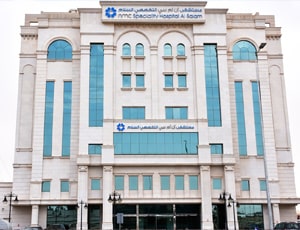
NMC Specialty Hospital Al Salam provides specialized Lesionectomy with a focus on removing abnormal brain tissue responsible for seizures while preserving surrounding healthy structures. Established in 1999, the CBAHI accredited hospital is located in Riyadh, Saudi Arabia and operates 100 beds with advanced neurosurgical and epilepsy-care facilities.
Lesionectomy is a surgical procedure used to remove a structural abnormality, or lesion, in the brain that is identified as the source of seizures or other neurological symptoms. Lesions may include certain tumors, vascular malformations, scar tissue, or developmental abnormalities. Before surgery, MRI, EEG, and other specialized tests may be used to locate the lesion and determine its relationship to important brain functions. The surgeon removes the abnormal tissue while taking care to preserve surrounding healthy brain tissue.
At Medical Park Fatih Hospital, Lesionectomy is performed using advanced neurosurgical techniques and detailed preoperative brain mapping. Established in 2007, the JCI accredited hospital in Istanbul, Turkey has 246 beds and provides comprehensive neurosurgical and neurological care.
Lesionectomy may be considered for selected patients with drug-resistant focal epilepsy when a specific structural lesion is responsible for seizure activity. During the procedure, the neurosurgeon accesses the affected area and removes the identified lesion, sometimes along with a small margin of surrounding abnormal tissue when clinically appropriate. Detailed imaging, video EEG, and functional testing may be used before surgery to confirm the seizure focus and assess nearby critical brain regions. Postoperative monitoring helps evaluate seizure control and neurological recovery.
At University Hospital Quironsalud Madrid, Lesionectomy is performed using advanced neurosurgical techniques and detailed preoperative brain mapping. Established in 2006, the ISO, JCI accredited hospital in Madrid, Spain has 575 beds and provides comprehensive neurosurgical and neurological care.
Lesionectomy may be considered for selected patients with drug-resistant focal epilepsy when a specific structural lesion is responsible for seizure activity. During the procedure, the neurosurgeon accesses the affected area and removes the identified lesion, sometimes along with a small margin of surrounding abnormal tissue when clinically appropriate. Detailed imaging, video EEG, and functional testing may be used before surgery to confirm the seizure focus and assess nearby critical brain regions. Postoperative monitoring helps evaluate seizure control and neurological recovery.
Istanbul, Turkey
At Medical Park Bahcelievler Hospital, Lesionectomy is performed using advanced neurosurgical techniques and detailed preoperative brain mapping. Established in 2015, the JCI accredited hospital in Istanbul, Turkey has 242 beds and provides comprehensive neurosurgical and neurological care.
Lesionectomy may be considered for selected patients with drug-resistant focal epilepsy when a specific structural lesion is responsible for seizure activity. During the procedure, the neurosurgeon accesses the affected area and removes the identified lesion, sometimes along with a small margin of surrounding abnormal tissue when clinically appropriate. Detailed imaging, video EEG, and functional testing may be used before surgery to confirm the seizure focus and assess nearby critical brain regions. Postoperative monitoring helps evaluate seizure control and neurological recovery.
At Medstar Antalya Hospital, Lesionectomy is performed using advanced neurosurgical techniques and detailed preoperative brain mapping. Established in 2009, the JCI accredited hospital in Ankara, Turkey has 124 beds and provides comprehensive neurosurgical and neurological care.
Lesionectomy may be considered for selected patients with drug-resistant focal epilepsy when a specific structural lesion is responsible for seizure activity. During the procedure, the neurosurgeon accesses the affected area and removes the identified lesion, sometimes along with a small margin of surrounding abnormal tissue when clinically appropriate. Detailed imaging, video EEG, and functional testing may be used before surgery to confirm the seizure focus and assess nearby critical brain regions. Postoperative monitoring helps evaluate seizure control and neurological recovery.
Choosing Vinmec Smart City Hospital for Lesionectomy gives patients access to specialist-led brain lesion surgery, advanced surgical navigation, and coordinated neurological care. Established in 2020, the JCI accredited hospital is located in Ha noi, Vietnam and operates 500 beds with modern neurosurgical infrastructure.
Lesionectomy may be recommended when a localized brain lesion is causing recurrent seizures or other symptoms and can be safely accessed surgically. The surgeon removes the abnormal tissue through a carefully planned craniotomy while using imaging and navigation technology to guide the procedure. In epilepsy cases, preoperative EEG and functional assessments may help identify whether the lesion corresponds to the seizure focus. The treatment and follow-up plan depend on the type, location, and size of the lesion.
Adatip Hospital provides specialized Lesionectomy with an emphasis on accurate lesion localization, careful removal of abnormal tissue, and protection of important neurological structures. Established in 1995, the ISO accredited hospital is based in Sakarya, Turkey and has 450 beds supported by modern neurosurgical and neurodiagnostic facilities.
Lesionectomy is performed to remove a defined abnormal brain lesion when surgery is considered appropriate for the patient's condition. In patients with focal epilepsy, removing the lesion may reduce or potentially eliminate seizures when the lesion is confirmed to be the seizure-producing focus. Depending on the diagnosis, the procedure may also be performed for certain tumors or vascular abnormalities. Preoperative MRI, EEG, functional mapping, and other tests help guide surgical planning, while postoperative imaging and neurological assessment are used to monitor recovery.