Browse verified doctors or let our care team help you find the doctor best suited to your condition, treatment goals, and budget.
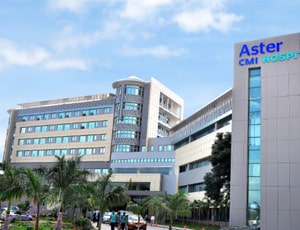
Choosing Aster CMI Hospital for Cerebral Angiogram gives patients access to specialist neurovascular imaging, modern angiography equipment, and comprehensive diagnostic support. Established in 2014, the JCI, NABH, NABL accredited hospital is located in Bangalore, India and operates 500 beds with advanced neurological and interventional facilities.
Cerebral Angiogram may be recommended when physicians require detailed information about the blood vessels of the brain and neck. The catheter is carefully advanced to the relevant arteries, and contrast dye is administered to make the vessels visible during X-ray imaging. The test can assist in evaluating conditions such as brain aneurysms, arteriovenous malformations, carotid or intracranial stenosis, and other vascular abnormalities. Patients are monitored after the procedure for bleeding and other potential complications.
At MGM Healthcare, Cerebral Angiogram is performed using advanced angiographic imaging technology and personalized diagnostic planning. Established in 2016, the NABH, NABL, JCI accredited hospital in Chennai, India has 400 beds and provides comprehensive neurological and neurovascular services.
Cerebral Angiogram provides detailed images of the arteries and veins within and around the brain. During the examination, a catheter is guided through the vascular system to the target blood vessels, followed by injection of an iodinated contrast agent. X-ray imaging captures the movement of the contrast through the vessels. It may be used to investigate suspected aneurysms, arteriovenous malformations, vessel narrowing, or other abnormalities when detailed vascular information is required.
Choosing Apollo Hospitals Bannerghatta for Cerebral Angiogram gives patients access to specialist neurovascular imaging, modern angiography equipment, and comprehensive diagnostic support. Established in 2007, the JCI accredited hospital is located in Bangalore, India and operates 350 beds with advanced neurological and interventional facilities.
Cerebral Angiogram may be recommended when physicians require detailed information about the blood vessels of the brain and neck. The catheter is carefully advanced to the relevant arteries, and contrast dye is administered to make the vessels visible during X-ray imaging. The test can assist in evaluating conditions such as brain aneurysms, arteriovenous malformations, carotid or intracranial stenosis, and other vascular abnormalities. Patients are monitored after the procedure for bleeding and other potential complications.
Fortis Hospital provides specialized Cerebral Angiogram with an emphasis on high-resolution vascular imaging, precise diagnosis, and safe catheter-based care. Established in 2001, the NABH, NABL, JCI accredited hospital is based in Bangalore, India and has 375 beds supported by modern neurointerventional and diagnostic infrastructure.
Cerebral Angiogram is performed to obtain detailed images of the blood vessels that supply the brain. A catheter is inserted into an artery and guided to the vessels being examined, where contrast material is injected and captured using specialized X-ray imaging. The procedure can provide information about blood-vessel narrowing, aneurysms, abnormal vessel connections, or blockages. Before the test, the medical team reviews relevant medical history, medications, kidney function, and potential contrast-related risks.
Faridabad, India
At Sarvodaya Hospital and Research Centre, Cerebral Angiogram is performed using advanced angiographic imaging technology and personalized diagnostic planning. Established in 1997, the NABH, NABL accredited hospital in Faridabad, India has 500 beds and provides comprehensive neurological and neurovascular services.
Cerebral Angiogram provides detailed images of the arteries and veins within and around the brain. During the examination, a catheter is guided through the vascular system to the target blood vessels, followed by injection of an iodinated contrast agent. X-ray imaging captures the movement of the contrast through the vessels. It may be used to investigate suspected aneurysms, arteriovenous malformations, vessel narrowing, or other abnormalities when detailed vascular information is required.
Fortis Hospital offers dedicated Cerebral Angiogram supported by experienced neurointerventional specialists, advanced imaging systems, and modern catheterization facilities. Established in 2011, the NABH, NABL accredited hospital is situated in Kolkata, India and has 400 beds supporting specialized neurovascular diagnosis.
Cerebral Angiogram is a catheter-based diagnostic test that creates detailed images of blood flow through the cerebral circulation. After local anesthesia is administered, a catheter is introduced into an artery and guided under imaging toward the vessels supplying the brain. Contrast is injected to outline the blood vessels on X-ray images. The examination can help identify aneurysms, vascular malformations, stenosis, vessel occlusions, and other structural abnormalities.
HCG Kalinga Rao Road provides specialized Cerebral Angiogram with a focus on detailed evaluation of cerebral blood vessels, accurate diagnosis, and individualized neurovascular care. Established in 1989, the ISO, NABH accredited hospital is located in Bangalore, India and operates 250 beds with modern neurointerventional and diagnostic imaging facilities.
Cerebral Angiogram is an imaging procedure used to visualize the blood vessels supplying the brain. A thin catheter is usually inserted through an artery, commonly in the wrist or groin, and guided toward the vessels of the head and neck. Contrast material is injected while X-ray images are obtained to identify abnormalities such as aneurysms, narrowing, blockages, or vascular malformations. The procedure may also help specialists plan certain neurovascular treatments.
Choosing Batra Hospital for Cerebral Angiogram gives patients access to specialist neurovascular imaging, modern angiography equipment, and comprehensive diagnostic support. Established in 1987, the NABH accredited hospital is located in Delhi, India and operates 495 beds with advanced neurological and interventional facilities.
Cerebral Angiogram may be recommended when physicians require detailed information about the blood vessels of the brain and neck. The catheter is carefully advanced to the relevant arteries, and contrast dye is administered to make the vessels visible during X-ray imaging. The test can assist in evaluating conditions such as brain aneurysms, arteriovenous malformations, carotid or intracranial stenosis, and other vascular abnormalities. Patients are monitored after the procedure for bleeding and other potential complications.
Fortis Hiranandani Hospital provides specialized Cerebral Angiogram with an emphasis on high-resolution vascular imaging, precise diagnosis, and safe catheter-based care. Established in 2007, the NABH accredited hospital is based in Mumbai, India and has 149 beds supported by modern neurointerventional and diagnostic infrastructure.
Cerebral Angiogram is performed to obtain detailed images of the blood vessels that supply the brain. A catheter is inserted into an artery and guided to the vessels being examined, where contrast material is injected and captured using specialized X-ray imaging. The procedure can provide information about blood-vessel narrowing, aneurysms, abnormal vessel connections, or blockages. Before the test, the medical team reviews relevant medical history, medications, kidney function, and potential contrast-related risks.
At Jaypee Hospital, Cerebral Angiogram is performed using advanced angiographic imaging technology and personalized diagnostic planning. Established in 2014, the NABH, JCI accredited hospital in Noida, India has 1200 beds and provides comprehensive neurological and neurovascular services.
Cerebral Angiogram provides detailed images of the arteries and veins within and around the brain. During the examination, a catheter is guided through the vascular system to the target blood vessels, followed by injection of an iodinated contrast agent. X-ray imaging captures the movement of the contrast through the vessels. It may be used to investigate suspected aneurysms, arteriovenous malformations, vessel narrowing, or other abnormalities when detailed vascular information is required.
Fortis Hospital, Shalimar Bagh offers dedicated Cerebral Angiogram supported by experienced neurointerventional specialists, advanced imaging systems, and modern catheterization facilities. Established in 2010, the NABH accredited hospital is situated in Delhi, India and has 262 beds supporting specialized neurovascular diagnosis.
Cerebral Angiogram is a catheter-based diagnostic test that creates detailed images of blood flow through the cerebral circulation. After local anesthesia is administered, a catheter is introduced into an artery and guided under imaging toward the vessels supplying the brain. Contrast is injected to outline the blood vessels on X-ray images. The examination can help identify aneurysms, vascular malformations, stenosis, vessel occlusions, and other structural abnormalities.
At Wockhardt Hospital - A new Age Hospital, Cerebral Angiogram is performed using advanced angiographic imaging technology and personalized diagnostic planning. Established in 2014, the NABH, NABL, JCI accredited hospital in Mumbai, India has 350 beds and provides comprehensive neurological and neurovascular services.
Cerebral Angiogram provides detailed images of the arteries and veins within and around the brain. During the examination, a catheter is guided through the vascular system to the target blood vessels, followed by injection of an iodinated contrast agent. X-ray imaging captures the movement of the contrast through the vessels. It may be used to investigate suspected aneurysms, arteriovenous malformations, vessel narrowing, or other abnormalities when detailed vascular information is required.
Choosing Seven Hills Hospital for Cerebral Angiogram gives patients access to specialist neurovascular imaging, modern angiography equipment, and comprehensive diagnostic support. Established in 1986, the NABH, NABL, JCI accredited hospital is located in Mumbai, India and operates 1500 beds with advanced neurological and interventional facilities.
Cerebral Angiogram may be recommended when physicians require detailed information about the blood vessels of the brain and neck. The catheter is carefully advanced to the relevant arteries, and contrast dye is administered to make the vessels visible during X-ray imaging. The test can assist in evaluating conditions such as brain aneurysms, arteriovenous malformations, carotid or intracranial stenosis, and other vascular abnormalities. Patients are monitored after the procedure for bleeding and other potential complications.
Chennai, India
Sri Ramachandra Medical Centre provides specialized Cerebral Angiogram with an emphasis on high-resolution vascular imaging, precise diagnosis, and safe catheter-based care. Established in 1985, the JCI, NABH accredited hospital is based in Chennai, India and has 1800 beds supported by modern neurointerventional and diagnostic infrastructure.
Cerebral Angiogram is performed to obtain detailed images of the blood vessels that supply the brain. A catheter is inserted into an artery and guided to the vessels being examined, where contrast material is injected and captured using specialized X-ray imaging. The procedure can provide information about blood-vessel narrowing, aneurysms, abnormal vessel connections, or blockages. Before the test, the medical team reviews relevant medical history, medications, kidney function, and potential contrast-related risks.
Delhi, India
Max Smart Super Speciality Hospital offers dedicated Cerebral Angiogram supported by experienced neurointerventional specialists, advanced imaging systems, and modern catheterization facilities. Established in 2012, the JCI, NABH accredited hospital is situated in Delhi, India and has 250 beds supporting specialized neurovascular diagnosis.
Cerebral Angiogram is a catheter-based diagnostic test that creates detailed images of blood flow through the cerebral circulation. After local anesthesia is administered, a catheter is introduced into an artery and guided under imaging toward the vessels supplying the brain. Contrast is injected to outline the blood vessels on X-ray images. The examination can help identify aneurysms, vascular malformations, stenosis, vessel occlusions, and other structural abnormalities.

Ms Patience from Uganda travelled to India for cosmetic surgery in May 2017. She got her treatment done in Asian Institute of Medical Sciences in…

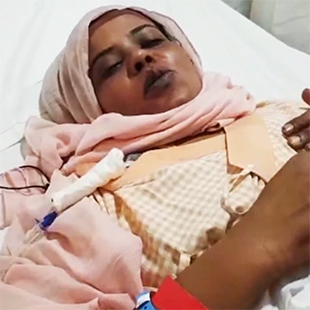
Lobna (from Sudan) was diagnosed with meningioma, a form of non-cancerous brain tumor. Her family members decided to take her to one of the most…