Explore trusted hospitals and care options, or get personalised support to find a suitable option based on your treatment needs, preferences, and budget.

At Clinic Soukra, craniotomy is performed using modern neurosurgical techniques and evidence-based practices. Clinic Soukra, founded in 2003, is located in Ariana, Tunisia, and has 120 beds and both domestic and international patients.
Craniotomy is a surgical process through which a section of the skull is temporarily removed to obtain access to the brain. Craniotomy is useful in managing conditions such as brain tumours, vascular malformations, bleeding, and other neurological disorders. The neurosurgical team assesses the diagnostic imaging, past medical history, and neurologic status of each patient to decide on the best surgical technique.
The highly reputed hospital Taoufik Clinique specialises in Craniotomy, performed using state-of-the-art surgical equipment and standardised neurosurgical procedures. Established in 1979, this ISO awarded hospital is located in Tunis, Tunisia and offers 180 beds for local as well as international patients.
Craniotomy is performed to allow surgical procedures on the brain for diagnosing and treating various neurological disorders. In some cases, it involves removing a tumor from the brain, treating bleeding inside the brain, fixing a suspected vascular problem, and reducing the pressure inside the skull. Prior to the Craniotomy surgery, the specialists conducted appropriate imaging and/or neurological tests needed for careful monitoring and prompt post-operative recovery.
The highly reputed hospital Hannibal International Clinic specialises in Craniotomy, performed using state-of-the-art surgical equipment and standardised neurosurgical procedures. Established in 2007, this awarded hospital is located in Tunis, Tunisia and offers 120 beds for local as well as international patients.
Craniotomy is performed to allow surgical procedures on the brain for diagnosing and treating various neurological disorders. In some cases, it involves removing a tumor from the brain, treating bleeding inside the brain, fixing a suspected vascular problem, and reducing the pressure inside the skull. Prior to the Craniotomy surgery, the specialists conducted appropriate imaging and/or neurological tests needed for careful monitoring and prompt post-operative recovery.

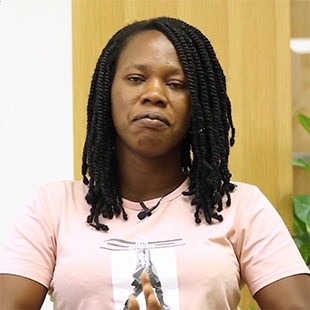
Samuel Uba Udechukwu, a 35-year-old male, resident of Nigeria underwent Craniotomy surgery in U.A.E after being diagnosed with a brain tumor.

Mauritius patient suffering from Pituitary Gland Tumor underwent successful Craniotomy Surgery in India.
A craniotomy is a surgical procedure that involves the temporary removal of a portion of the skull to access the brain. During the procedure, the surgeon carefully opens the skull to perform treatment and then closes the skull using special materials like plates or screws. During some craniotomies, computer systems and imaging techniques like magnetic resonance imaging (MRI) or computerized tomography (CT) scans may be used to precisely locate the part of the brain that needs to be treated.
A craniotomy can be used to treat a wide range of medical conditions related to the brain, including brain tumors (both benign and malignant), arteriovenous malformations (AVMs), cerebral aneurysms, traumatic brain injuries, intracranial hemorrhages, infections, epilepsy, and certain neurological disorders that require surgical intervention.
The recovery process after a craniotomy varies depending on the specific condition being treated, the extent of the surgery, and individual factors. After the procedure, the patient is closely monitored in the hospital's intensive care unit (ICU). The recovery period may involve pain management, monitoring for potential complications, physical and occupational therapy, and rehabilitation programs tailored to the patient's needs. The duration of recovery can vary, but it typically involves a combination of rest, medications, and follow-up appointments to monitor progress and ensure proper healing. Regular follow-up visits are scheduled to assess the patient's recovery and address any concerns or complications that may arise.
The ranking of hospitals according to the procedure is determined by a variety of parameters. To rank these hospitals in Tunisia for Craniotomy, take the following aspects into account- Infrastructure, Procedure Availability, Procedure Popularity, Technology, Affordability, Experienced Specialists, Quality of Resources, and Success Rate
MediGence puts forth a lot of effort to make your medical travel of the finest quality, convenient, and affordable for you. All of this is made possible by the exceptional services we offer you, which make your healthcare experience comfortable, hassle-free, and budget-friendly. Some of our notable services include Hotel stays or accommodation, Video consultation, dedicated case manager, round-the-clock help, airport transfers, and customized prebundled treatment packages with discount of up to a 30%. Furthermore, we have alot more other benefits for you to recieve top-notch medical care.
Yes. MediGence gives you the privilege of scheduling an online consultation with a specialist in Tunisia. While talking to one of our experts, you can request a video consultation appointment. They will finalize your appointment after confirming the doctor's availability and sending the payment link.
Due to the country's cutting-edge healthcare system and high success rate, many people have begun traveling to Tunisia for Craniotomy. When it comes to Tunisia, many factors contribute to make Craniotomy the ideal choice. This includes:
The recovery time for a procedure varies based on the condition of the patient and the complexity of the surgery. Additionally, post-treatment rehabilitation is crucial for accelerating recovery and cutting down on recovery time. Following surgery, patients must return for follow-up appointments to ensure proper healing and to expedite the healing process.