Explore trusted hospitals and care options, or get personalised support to find a suitable option based on your treatment needs, preferences, and budget.

Delhi, India
BLK-Max Super Speciality Hospital provides specialized ALIF - Anterior Lumbar Interbody Fusion with an emphasis on precise disc removal, restoration of lumbar alignment, and stable spinal fusion. Established in 1959, the JCI, NABH accredited hospital is based in Delhi, India and has 650 beds supported by modern neurosurgical and orthopedic facilities.
ALIF (Anterior Lumbar Interbody Fusion) is a technique in which a damaged lumbar disc is removed through an anterior abdominal approach and replaced with an interbody device. The implant helps restore the height and alignment of the affected spinal segment, while bone graft promotes the formation of a solid fusion between the vertebrae. In some cases, additional posterior fixation may be performed to provide stability. Detailed X-rays, CT, or MRI scans are used to evaluate the spine and plan treatment.
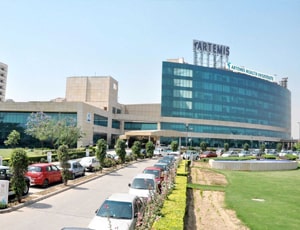
Choosing Artemis Health Institute for ALIF - Anterior Lumbar Interbody Fusion gives patients access to specialist-led lumbar fusion surgery, modern spinal implants, and comprehensive postoperative care. Established in 2007, the JCI, NABH accredited hospital is located in Gurgaon, India and operates 750 beds with advanced spine surgery infrastructure.
ALIF (Anterior Lumbar Interbody Fusion) may be recommended for selected patients with conditions such as painful degenerative disc disease, spinal instability, recurrent disc problems, or certain spinal deformities. The surgeon reaches the lumbar spine through an abdominal incision, removes the damaged disc, and inserts an implant to maintain disc height and alignment. Bone graft material supports fusion between the adjacent vertebrae. Recovery commonly includes gradual mobilization, activity restrictions, and follow-up imaging to monitor fusion and alignment.
Medanta - The Medicity offers dedicated ALIF - Anterior Lumbar Interbody Fusion supported by experienced spine surgeons, advanced imaging technology, and modern operating facilities. Established in 2009, the JCI, NABH accredited hospital is situated in Gurgaon, India and has 1250 beds supporting specialized spinal care.
ALIF (Anterior Lumbar Interbody Fusion) is used to stabilize selected lumbar spinal segments by accessing the spine from the front of the body. During the procedure, the affected disc is removed and an interbody cage containing or accompanied by bone graft is placed between the vertebrae. Additional fixation, such as screws or rods, may be used when greater stability is required. The goal is to restore spinal structure and allow bone fusion to develop during recovery.
Gleneagles Hospital Mumbai provides specialized ALIF - Anterior Lumbar Interbody Fusion with a focus on relieving lumbar pain, restoring spinal stability, and maintaining appropriate spinal alignment. Established in 1996, the JCI accredited hospital is located in Mumbai, India and operates 450 beds with modern neurosurgical and orthopedic spine facilities.
ALIF (Anterior Lumbar Interbody Fusion) is a spinal fusion procedure performed through an incision in the abdomen to access the lumbar spine from the front. The damaged intervertebral disc is removed and replaced with an interbody implant or cage, often along with bone graft material, to help restore disc height and promote fusion between adjacent vertebrae. The procedure may be considered for selected cases of degenerative disc disease, spinal instability, or certain forms of spondylolisthesis.
Ghaziabad, India
Max Super Specialty Hospital, Vaishali provides specialized ALIF - Anterior Lumbar Interbody Fusion with an emphasis on precise disc removal, restoration of lumbar alignment, and stable spinal fusion. Established in 2008, the NABL, NABH accredited hospital is based in Ghaziabad, India and has 370 beds supported by modern neurosurgical and orthopedic facilities.
ALIF (Anterior Lumbar Interbody Fusion) is a technique in which a damaged lumbar disc is removed through an anterior abdominal approach and replaced with an interbody device. The implant helps restore the height and alignment of the affected spinal segment, while bone graft promotes the formation of a solid fusion between the vertebrae. In some cases, additional posterior fixation may be performed to provide stability. Detailed X-rays, CT, or MRI scans are used to evaluate the spine and plan treatment.
Fortis Escorts Heart Institute, Okhla offers dedicated ALIF - Anterior Lumbar Interbody Fusion supported by experienced spine surgeons, advanced imaging technology, and modern operating facilities. Established in 1988, the NABL accredited hospital is situated in Delhi, India and has 310 beds supporting specialized spinal care.
ALIF (Anterior Lumbar Interbody Fusion) is used to stabilize selected lumbar spinal segments by accessing the spine from the front of the body. During the procedure, the affected disc is removed and an interbody cage containing or accompanied by bone graft is placed between the vertebrae. Additional fixation, such as screws or rods, may be used when greater stability is required. The goal is to restore spinal structure and allow bone fusion to develop during recovery.
At Indraprastha Apollo Hospital, ALIF - Anterior Lumbar Interbody Fusion is performed using advanced spinal fusion techniques and individualized surgical planning. Established in 1996, the JCI accredited hospital in Delhi, India has 710 beds and provides comprehensive spine surgery and rehabilitation services.
ALIF (Anterior Lumbar Interbody Fusion) involves removing a damaged lumbar disc through an anterior approach and placing a spacer or cage between the affected vertebrae. Bone graft material is typically used to encourage the vertebrae to fuse over time. By restoring disc height and spinal alignment, ALIF may also help increase the space available for affected nerve roots. Preoperative imaging helps determine the appropriate spinal level and surgical approach.
Global Health City offers dedicated ALIF - Anterior Lumbar Interbody Fusion supported by experienced spine surgeons, advanced imaging technology, and modern operating facilities. Established in 1999, the NABH, NABL accredited hospital is situated in Chennai, India and has 200 beds supporting specialized spinal care.
ALIF (Anterior Lumbar Interbody Fusion) is used to stabilize selected lumbar spinal segments by accessing the spine from the front of the body. During the procedure, the affected disc is removed and an interbody cage containing or accompanied by bone graft is placed between the vertebrae. Additional fixation, such as screws or rods, may be used when greater stability is required. The goal is to restore spinal structure and allow bone fusion to develop during recovery.
Apollo Hospitals offers dedicated ALIF - Anterior Lumbar Interbody Fusion supported by experienced spine surgeons, advanced imaging technology, and modern operating facilities. Established in 1988, the JCI accredited hospital is situated in Hyderabad, India and has 550 beds supporting specialized spinal care.
ALIF (Anterior Lumbar Interbody Fusion) is used to stabilize selected lumbar spinal segments by accessing the spine from the front of the body. During the procedure, the affected disc is removed and an interbody cage containing or accompanied by bone graft is placed between the vertebrae. Additional fixation, such as screws or rods, may be used when greater stability is required. The goal is to restore spinal structure and allow bone fusion to develop during recovery.
At Sterling Wockhardt Hospital, ALIF - Anterior Lumbar Interbody Fusion is performed using advanced spinal fusion techniques and individualized surgical planning. Established in 2001, the NABL accredited hospital in Mumbai, India has 225 beds and provides comprehensive spine surgery and rehabilitation services.
ALIF (Anterior Lumbar Interbody Fusion) involves removing a damaged lumbar disc through an anterior approach and placing a spacer or cage between the affected vertebrae. Bone graft material is typically used to encourage the vertebrae to fuse over time. By restoring disc height and spinal alignment, ALIF may also help increase the space available for affected nerve roots. Preoperative imaging helps determine the appropriate spinal level and surgical approach.
Star Hospitals provides specialized ALIF - Anterior Lumbar Interbody Fusion with an emphasis on precise disc removal, restoration of lumbar alignment, and stable spinal fusion. Established in 2008, the NABH, NABL accredited hospital is based in Hyderabad, India and has 435 beds supported by modern neurosurgical and orthopedic facilities.
ALIF (Anterior Lumbar Interbody Fusion) is a technique in which a damaged lumbar disc is removed through an anterior abdominal approach and replaced with an interbody device. The implant helps restore the height and alignment of the affected spinal segment, while bone graft promotes the formation of a solid fusion between the vertebrae. In some cases, additional posterior fixation may be performed to provide stability. Detailed X-rays, CT, or MRI scans are used to evaluate the spine and plan treatment.
Fortis Malar Hospital offers dedicated ALIF - Anterior Lumbar Interbody Fusion supported by experienced spine surgeons, advanced imaging technology, and modern operating facilities. Established in 1989, the NABH accredited hospital is situated in Chennai, India and has 180 beds supporting specialized spinal care.
ALIF (Anterior Lumbar Interbody Fusion) is used to stabilize selected lumbar spinal segments by accessing the spine from the front of the body. During the procedure, the affected disc is removed and an interbody cage containing or accompanied by bone graft is placed between the vertebrae. Additional fixation, such as screws or rods, may be used when greater stability is required. The goal is to restore spinal structure and allow bone fusion to develop during recovery.
Venkateshwar Hospital provides specialized ALIF - Anterior Lumbar Interbody Fusion with an emphasis on precise disc removal, restoration of lumbar alignment, and stable spinal fusion. Established in 2016, the NABL, NABH accredited hospital is based in Delhi, India and has 325 beds supported by modern neurosurgical and orthopedic facilities.
ALIF (Anterior Lumbar Interbody Fusion) is a technique in which a damaged lumbar disc is removed through an anterior abdominal approach and replaced with an interbody device. The implant helps restore the height and alignment of the affected spinal segment, while bone graft promotes the formation of a solid fusion between the vertebrae. In some cases, additional posterior fixation may be performed to provide stability. Detailed X-rays, CT, or MRI scans are used to evaluate the spine and plan treatment.
Delhi, India
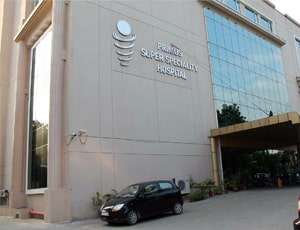
Primus Super Speciality Hospital provides specialized ALIF - Anterior Lumbar Interbody Fusion with an emphasis on precise disc removal, restoration of lumbar alignment, and stable spinal fusion. Established in 2001, the NABH accredited hospital is based in Delhi, India and has 250 beds supported by modern neurosurgical and orthopedic facilities.
ALIF (Anterior Lumbar Interbody Fusion) is a technique in which a damaged lumbar disc is removed through an anterior abdominal approach and replaced with an interbody device. The implant helps restore the height and alignment of the affected spinal segment, while bone graft promotes the formation of a solid fusion between the vertebrae. In some cases, additional posterior fixation may be performed to provide stability. Detailed X-rays, CT, or MRI scans are used to evaluate the spine and plan treatment.
Mumbai, India
Choosing nanavati Super Speciality Hospital for ALIF - Anterior Lumbar Interbody Fusion gives patients access to specialist-led lumbar fusion surgery, modern spinal implants, and comprehensive postoperative care. Established in 1950, the NABH accredited hospital is located in Mumbai, India and operates 350 beds with advanced spine surgery infrastructure.
ALIF (Anterior Lumbar Interbody Fusion) may be recommended for selected patients with conditions such as painful degenerative disc disease, spinal instability, recurrent disc problems, or certain spinal deformities. The surgeon reaches the lumbar spine through an abdominal incision, removes the damaged disc, and inserts an implant to maintain disc height and alignment. Bone graft material supports fusion between the adjacent vertebrae. Recovery commonly includes gradual mobilization, activity restrictions, and follow-up imaging to monitor fusion and alignment.

Ms Patience from Uganda travelled to India for cosmetic surgery in May 2017. She got her treatment done in Asian Institute of Medical Sciences in…

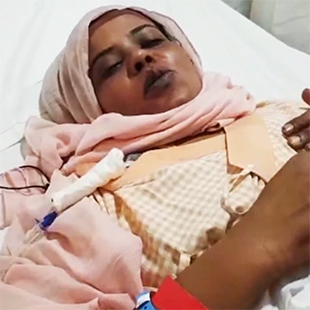
Lobna (from Sudan) was diagnosed with meningioma, a form of non-cancerous brain tumor. Her family members decided to take her to one of the most…