Browse verified doctors or let our care team help you find the doctor best suited to your condition, treatment goals, and budget.

Manipal Hospital, Hebbal is a trusted healthcare provider for Laparoscopic Abdominal Hysterectomy, offering minimally invasive gynecological surgery supported by experienced gynecologic surgeons and modern laparoscopic infrastructure. Established in 1991, the NABL, NABH accredited hospital is situated in Bangalore, India and has 280 beds.
Laparoscopic Abdominal Hysterectomy is performed to remove the uterus using a camera-assisted surgical approach rather than a large abdominal incision. It can be used in the management of symptomatic fibroids, persistent heavy menstrual bleeding, endometriosis, uterine prolapse in selected circumstances, and some cancers. The surgeon views the pelvic organs on a monitor while carefully dissecting and sealing blood vessels and supporting tissues. After removal of the uterus, the surgical team closes the internal and external operative sites. Recovery typically includes gradual movement, pain management, and follow-up assessment.
At Max Super Speciality Hospital, Saket, Laparoscopic Abdominal Hysterectomy is performed using advanced laparoscopic equipment and personalized surgical planning. Established in 2006, this JCI, NABH accredited hospital in Delhi, India has 539 beds and offers specialized gynecological and minimally invasive surgical services.
Laparoscopic Abdominal Hysterectomy may be considered when removal of the uterus is required and a minimally invasive approach is appropriate. During the operation, the surgeon makes small openings in the abdomen through which a camera and surgical instruments are inserted. The uterus is separated from surrounding tissues and removed through an appropriate route. Depending on the diagnosis, the surgeon may also remove the cervix, fallopian tubes, or ovaries. Compared with conventional open abdominal surgery, laparoscopy generally involves smaller incisions and may allow a shorter hospital stay and recovery period.
Gurgaon, India
Choosing Fortis Memorial Research Institute for Laparoscopic Abdominal Hysterectomy gives patients access to experienced gynecologists, advanced laparoscopic technology, and comprehensive perioperative care. Established in 2013, the JCI, NABH, NABL accredited hospital in Gurgaon, India has 311 beds and provides specialized women's surgical care.
Laparoscopic Abdominal Hysterectomy may be recommended when conservative treatments have not adequately managed a uterine condition or when hysterectomy is clinically indicated. Through small abdominal incisions, the surgeon uses a laparoscope to visualize the pelvic cavity and instruments to remove the uterus. The operation may be total, involving removal of both the uterus and cervix, or may involve a different extent of removal depending on the indication. Pre-operative evaluation includes assessment of the uterus and surrounding organs, blood tests, and imaging when needed. Post-operative care focuses on pain control, wound care, mobility, and monitoring for complications.
Asian Institute of Medical Sciences provides specialized Laparoscopic Abdominal Hysterectomy with a focus on minimally invasive surgery, precise tissue handling, and individualized gynecological care. Established in 2010, the NABL, NABH accredited hospital is located in Faridabad, India and operates 425 beds with modern gynecological and laparoscopic surgical facilities.
Laparoscopic Abdominal Hysterectomy involves removing the uterus through a minimally invasive approach using a laparoscope and specially designed instruments. The technique can be used for several benign and malignant gynecological conditions when laparoscopic surgery is considered suitable. Depending on the disease, the procedure may be combined with removal of the fallopian tubes, ovaries, or other affected tissue. Before surgery, the specialist evaluates the patient's symptoms, medical history, pelvic anatomy, and underlying diagnosis. After the operation, patients are advised to gradually resume normal activities while attending follow-up appointments to monitor healing and recovery.
Manipal Hospital, Gurugram offers advanced Laparoscopic Abdominal Hysterectomy using minimally invasive surgical techniques and individualized gynecological treatment protocols. Established in 2008, the NABL, NABH accredited hospital is located in Gurgaon, India and has 380 beds, providing comprehensive women's healthcare for local and international patients.
Laparoscopic Abdominal Hysterectomy is a minimally invasive procedure in which the uterus is removed through several small abdominal incisions using a laparoscope and specialized surgical instruments. Depending on the patient's condition, the cervix, fallopian tubes, and ovaries may also be removed. The procedure may be recommended for conditions such as uterine fibroids, abnormal uterine bleeding, endometriosis, adenomyosis, or certain gynecological cancers. The surgeon determines the extent of surgery based on the underlying condition and the patient's treatment needs.
Manipal Hospitals Goa, Dona Paula is a trusted healthcare provider for Laparoscopic Abdominal Hysterectomy, offering minimally invasive gynecological surgery supported by experienced gynecologic surgeons and modern laparoscopic infrastructure. Established in 1994, the NABH accredited hospital is situated in Panjim, India and has 235 beds.
Laparoscopic Abdominal Hysterectomy is performed to remove the uterus using a camera-assisted surgical approach rather than a large abdominal incision. It can be used in the management of symptomatic fibroids, persistent heavy menstrual bleeding, endometriosis, uterine prolapse in selected circumstances, and some cancers. The surgeon views the pelvic organs on a monitor while carefully dissecting and sealing blood vessels and supporting tissues. After removal of the uterus, the surgical team closes the internal and external operative sites. Recovery typically includes gradual movement, pain management, and follow-up assessment.
Choosing Medeor Hospital for Laparoscopic Abdominal Hysterectomy gives patients access to experienced gynecologists, advanced laparoscopic technology, and comprehensive perioperative care. Established in 2007, the NABH, NABL accredited hospital in Delhi, India has 100 beds and provides specialized women's surgical care.
Laparoscopic Abdominal Hysterectomy may be recommended when conservative treatments have not adequately managed a uterine condition or when hysterectomy is clinically indicated. Through small abdominal incisions, the surgeon uses a laparoscope to visualize the pelvic cavity and instruments to remove the uterus. The operation may be total, involving removal of both the uterus and cervix, or may involve a different extent of removal depending on the indication. Pre-operative evaluation includes assessment of the uterus and surrounding organs, blood tests, and imaging when needed. Post-operative care focuses on pain control, wound care, mobility, and monitoring for complications.
Sanar International Hospital is a trusted healthcare provider for Laparoscopic Abdominal Hysterectomy, offering minimally invasive gynecological surgery supported by experienced gynecologic surgeons and modern laparoscopic infrastructure. Established in 2018, the NABH, JCI, AACI accredited hospital is situated in Gurugram, India and has 150 beds.
Laparoscopic Abdominal Hysterectomy is performed to remove the uterus using a camera-assisted surgical approach rather than a large abdominal incision. It can be used in the management of symptomatic fibroids, persistent heavy menstrual bleeding, endometriosis, uterine prolapse in selected circumstances, and some cancers. The surgeon views the pelvic organs on a monitor while carefully dissecting and sealing blood vessels and supporting tissues. After removal of the uterus, the surgical team closes the internal and external operative sites. Recovery typically includes gradual movement, pain management, and follow-up assessment.
Chennai, India
At The Madras Institute of Orthopedics and Traumatology, Laparoscopic Abdominal Hysterectomy is performed using advanced laparoscopic equipment and personalized surgical planning. Established in 1999, this JCI, NABH accredited hospital in Chennai, India has 1000 beds and offers specialized gynecological and minimally invasive surgical services.
Laparoscopic Abdominal Hysterectomy may be considered when removal of the uterus is required and a minimally invasive approach is appropriate. During the operation, the surgeon makes small openings in the abdomen through which a camera and surgical instruments are inserted. The uterus is separated from surrounding tissues and removed through an appropriate route. Depending on the diagnosis, the surgeon may also remove the cervix, fallopian tubes, or ovaries. Compared with conventional open abdominal surgery, laparoscopy generally involves smaller incisions and may allow a shorter hospital stay and recovery period.
Istanbul Oncology Hospital provides specialized Laparoscopic Abdominal Hysterectomy with a focus on minimally invasive surgery, precise tissue handling, and individualized gynecological care. Established in 2008, the JCI accredited hospital is located in Istanbul, Turkey and operates beds with modern gynecological and laparoscopic surgical facilities.
Laparoscopic Abdominal Hysterectomy involves removing the uterus through a minimally invasive approach using a laparoscope and specially designed instruments. The technique can be used for several benign and malignant gynecological conditions when laparoscopic surgery is considered suitable. Depending on the disease, the procedure may be combined with removal of the fallopian tubes, ovaries, or other affected tissue. Before surgery, the specialist evaluates the patient's symptoms, medical history, pelvic anatomy, and underlying diagnosis. After the operation, patients are advised to gradually resume normal activities while attending follow-up appointments to monitor healing and recovery.
Cyprus IVF Center – Gynolife is a trusted healthcare provider for Laparoscopic Abdominal Hysterectomy, offering minimally invasive gynecological surgery supported by experienced gynecologic surgeons and modern laparoscopic infrastructure. Established in 2013, the ISO accredited hospital is situated in Nicosia, Cyprus and has 15 beds.
Laparoscopic Abdominal Hysterectomy is performed to remove the uterus using a camera-assisted surgical approach rather than a large abdominal incision. It can be used in the management of symptomatic fibroids, persistent heavy menstrual bleeding, endometriosis, uterine prolapse in selected circumstances, and some cancers. The surgeon views the pelvic organs on a monitor while carefully dissecting and sealing blood vessels and supporting tissues. After removal of the uterus, the surgical team closes the internal and external operative sites. Recovery typically includes gradual movement, pain management, and follow-up assessment.
At Vinmec Hai Phong, Laparoscopic Abdominal Hysterectomy is performed using advanced laparoscopic equipment and personalized surgical planning. Established in 2018, this JCI accredited hospital in Ha noi, Vietnam has 200 beds and offers specialized gynecological and minimally invasive surgical services.
Laparoscopic Abdominal Hysterectomy may be considered when removal of the uterus is required and a minimally invasive approach is appropriate. During the operation, the surgeon makes small openings in the abdomen through which a camera and surgical instruments are inserted. The uterus is separated from surrounding tissues and removed through an appropriate route. Depending on the diagnosis, the surgeon may also remove the cervix, fallopian tubes, or ovaries. Compared with conventional open abdominal surgery, laparoscopy generally involves smaller incisions and may allow a shorter hospital stay and recovery period.
Choosing Manipal Hospital, Ghaziabad for Laparoscopic Abdominal Hysterectomy gives patients access to experienced gynecologists, advanced laparoscopic technology, and comprehensive perioperative care. Established in 2010, the NABH, NABL accredited hospital in Ghaziabad, India has 9500 beds and provides specialized women's surgical care.
Laparoscopic Abdominal Hysterectomy may be recommended when conservative treatments have not adequately managed a uterine condition or when hysterectomy is clinically indicated. Through small abdominal incisions, the surgeon uses a laparoscope to visualize the pelvic cavity and instruments to remove the uterus. The operation may be total, involving removal of both the uterus and cervix, or may involve a different extent of removal depending on the indication. Pre-operative evaluation includes assessment of the uterus and surrounding organs, blood tests, and imaging when needed. Post-operative care focuses on pain control, wound care, mobility, and monitoring for complications.
Vinmec Ha Long Hospital offers advanced Laparoscopic Abdominal Hysterectomy using minimally invasive surgical techniques and individualized gynecological treatment protocols. Established in 2018, the JCI accredited hospital is located in Ha noi, Vietnam and has 500 beds, providing comprehensive women's healthcare for local and international patients.
Laparoscopic Abdominal Hysterectomy is a minimally invasive procedure in which the uterus is removed through several small abdominal incisions using a laparoscope and specialized surgical instruments. Depending on the patient's condition, the cervix, fallopian tubes, and ovaries may also be removed. The procedure may be recommended for conditions such as uterine fibroids, abnormal uterine bleeding, endometriosis, adenomyosis, or certain gynecological cancers. The surgeon determines the extent of surgery based on the underlying condition and the patient's treatment needs.
Choosing Vinmec Central Park International Hospital for Laparoscopic Abdominal Hysterectomy gives patients access to experienced gynecologists, advanced laparoscopic technology, and comprehensive perioperative care. Established in 2015, the JCI accredited hospital in Ho Chi Minh, Vietnam has 178 beds and provides specialized women's surgical care.
Laparoscopic Abdominal Hysterectomy may be recommended when conservative treatments have not adequately managed a uterine condition or when hysterectomy is clinically indicated. Through small abdominal incisions, the surgeon uses a laparoscope to visualize the pelvic cavity and instruments to remove the uterus. The operation may be total, involving removal of both the uterus and cervix, or may involve a different extent of removal depending on the indication. Pre-operative evaluation includes assessment of the uterus and surrounding organs, blood tests, and imaging when needed. Post-operative care focuses on pain control, wound care, mobility, and monitoring for complications.
| Speciality | Gynecology |
| Procedure | Laparoscopic Abdominal Hysterectomy |
| Success Rate | 90-95% |
| Recovery Time | 2-6 weeks |
| Treatment Time | 1-3 hours |
| Chances of Recurrence | NA |
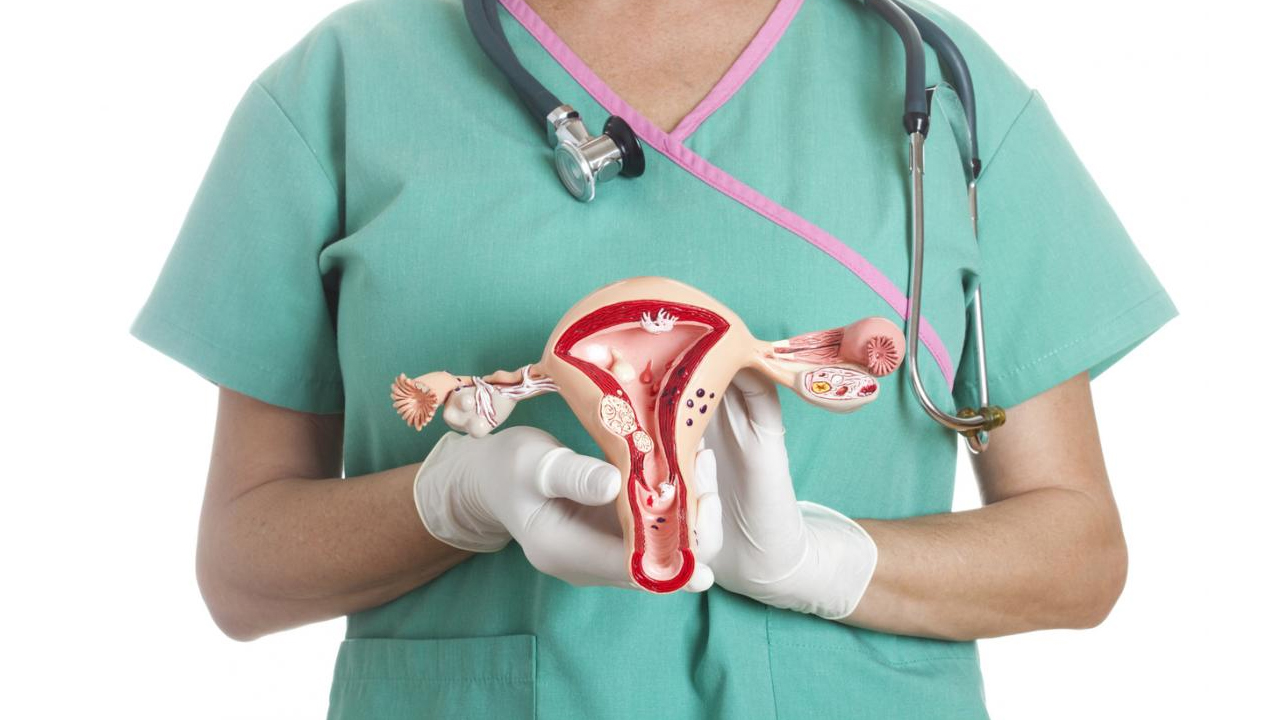
Laparoscopic hysterectomy is a minimally invasive surgical procedure in which the uterus is removed, most likely along with the cervix. The surgery may also involve the removal of surrounding organs and tissues, such as the fallopian tubes and ovaries. During this procedure, a laparoscope (a thin, flexible tube with a video camera) is inserted into the abdomen through tiny incisions near the navel. The uterus is dissected into sections and removed through the vagina or from the laparoscope tube.
Laparoscopic abdominal hysterectomy can be used to treat various medical conditions, including uterine fibroids, endometriosis, uterine prolapse, adenomyosis, abnormal uterine bleeding, and gynecologic cancers.
The recovery process after a Laparoscopic Abdominal Hysterectomy may take anywhere from 2 to 6 weeks. Most patients can go home within 24 to 48 hours after the procedure. Initially, a few days are usually uncomfortable and require proper rest for healing. Strenuous activities must be avoided during this period to avoid infections and scarring. As suggested by the healthcare team, activity must gradually be resumed. Regular follow-up visits are scheduled to monitor healing and address any concerns. Depending on the reason for the hysterectomy, hormone therapy may be required later on.