Explore trusted hospitals and care options, or get personalised support to find a suitable option based on your treatment needs, preferences, and budget.

Arab Medical Center provides specialized Kasai Procedure with an emphasis on early intervention, restoration of bile drainage, and comprehensive pediatric liver management. Established in 1997, the JCI accredited hospital is based in Amman, Jordan and has 243 beds supported by modern pediatric hepatology and surgical facilities.
Kasai Procedure is used to treat biliary atresia by creating a new route for bile to leave the liver. The operation involves removing the damaged bile duct structures outside the liver and attaching the intestine to the liver so bile can drain directly into the digestive tract. Before and after surgery, specialists closely assess liver function, jaundice, nutritional status, and growth. Antibiotics and other supportive treatments may be used after surgery when clinically indicated, while some children may need liver transplantation later if progressive liver disease develops.
Ahmedabad, India
Apollo Hospital International Limited provides specialized Kasai Procedure with a focus on restoring bile drainage, managing pediatric liver disease, and providing individualized surgical care. Established in 2003, the NABH, JCI accredited hospital is located in Ahmedabad, India and operates 300 beds with advanced pediatric hepatobiliary and surgical facilities.
Kasai Procedure is a surgical treatment primarily used for infants with biliary atresia, a condition in which the bile ducts outside the liver are blocked or absent. During the procedure, the surgeon removes the damaged extrahepatic bile ducts and connects the small intestine directly to the liver to create a pathway for bile drainage. The procedure is generally performed as early as possible because timely restoration of bile flow can improve the chances of preserving liver function. Long-term monitoring is required to assess liver health and complications.
At Asian Institute of Medical Sciences, Kasai Procedure is performed using specialized pediatric surgical techniques and multidisciplinary care for infants with biliary disorders. Established in 2010, the NABL, NABH accredited hospital in Faridabad, India has 425 beds and provides comprehensive pediatric hepatology and surgical services.
Kasai Procedure is intended to establish bile flow in infants affected by biliary atresia. The surgeon removes the scarred or obstructed bile duct remnants and brings a loop of the small intestine up to the liver, allowing bile to drain directly into the intestine. Before surgery, the infant undergoes clinical assessment, blood tests, imaging, and other investigations to confirm the diagnosis and evaluate liver function. After the procedure, ongoing monitoring is needed for bile flow, nutrition, infection, and liver health.
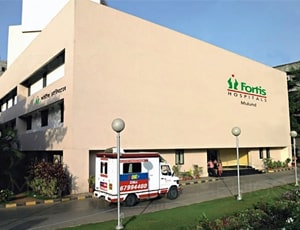
Fortis Hospital, Mulund offers dedicated Kasai Procedure with experienced pediatric surgeons, hepatologists, advanced diagnostic support, and specialized postoperative care. Established in 2002, the JCI, NABH accredited hospital is situated in Mumbai, India and has 315 beds supporting pediatric liver and biliary care.
Kasai Procedure may be recommended for infants diagnosed with biliary atresia, where progressive blockage of the bile ducts can cause bile accumulation and liver damage. During surgery, the affected bile duct tissue is removed and the intestine is connected to the liver surface to provide an alternative route for bile drainage. Early treatment is important because prolonged bile obstruction can lead to progressive liver injury. Follow-up care includes monitoring bilirubin levels, liver function, growth, nutrition, and signs of complications such as cholangitis.
Gurgaon, India
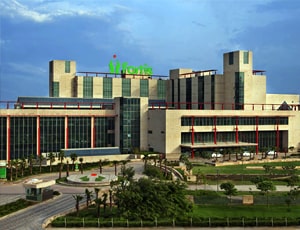
At Fortis Memorial Research Institute, Kasai Procedure is performed using specialized pediatric surgical techniques and multidisciplinary care for infants with biliary disorders. Established in 2013, the JCI, NABH, NABL accredited hospital in Gurgaon, India has 311 beds and provides comprehensive pediatric hepatology and surgical services.
Kasai Procedure is intended to establish bile flow in infants affected by biliary atresia. The surgeon removes the scarred or obstructed bile duct remnants and brings a loop of the small intestine up to the liver, allowing bile to drain directly into the intestine. Before surgery, the infant undergoes clinical assessment, blood tests, imaging, and other investigations to confirm the diagnosis and evaluate liver function. After the procedure, ongoing monitoring is needed for bile flow, nutrition, infection, and liver health.
Medicana Avcilar provides specialized Kasai Procedure with an emphasis on early intervention, restoration of bile drainage, and comprehensive pediatric liver management. Established in 1995, the JCI accredited hospital is based in Istanbul, Turkey and has 63 beds supported by modern pediatric hepatology and surgical facilities.
Kasai Procedure is used to treat biliary atresia by creating a new route for bile to leave the liver. The operation involves removing the damaged bile duct structures outside the liver and attaching the intestine to the liver so bile can drain directly into the digestive tract. Before and after surgery, specialists closely assess liver function, jaundice, nutritional status, and growth. Antibiotics and other supportive treatments may be used after surgery when clinically indicated, while some children may need liver transplantation later if progressive liver disease develops.
At Bayindir Healthcare Group, Kasai Procedure is performed using specialized pediatric surgical techniques and multidisciplinary care for infants with biliary disorders. Established in 1992, the JCI accredited hospital in Ankara, Turkey has 153 beds and provides comprehensive pediatric hepatology and surgical services.
Kasai Procedure is intended to establish bile flow in infants affected by biliary atresia. The surgeon removes the scarred or obstructed bile duct remnants and brings a loop of the small intestine up to the liver, allowing bile to drain directly into the intestine. Before surgery, the infant undergoes clinical assessment, blood tests, imaging, and other investigations to confirm the diagnosis and evaluate liver function. After the procedure, ongoing monitoring is needed for bile flow, nutrition, infection, and liver health.
Medicana Sivas Hospital offers dedicated Kasai Procedure with experienced pediatric surgeons, hepatologists, advanced diagnostic support, and specialized postoperative care. Established in 2015, the JCI accredited hospital is situated in Sivas, Turkey and has 105 beds supporting pediatric liver and biliary care.
Kasai Procedure may be recommended for infants diagnosed with biliary atresia, where progressive blockage of the bile ducts can cause bile accumulation and liver damage. During surgery, the affected bile duct tissue is removed and the intestine is connected to the liver surface to provide an alternative route for bile drainage. Early treatment is important because prolonged bile obstruction can lead to progressive liver injury. Follow-up care includes monitoring bilirubin levels, liver function, growth, nutrition, and signs of complications such as cholangitis.
Delhi, India
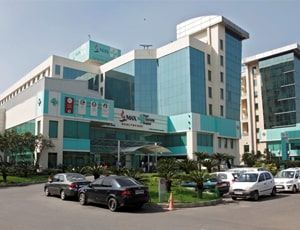
Max Super Speciality Hospital, Saket provides specialized Kasai Procedure with a focus on restoring bile drainage, managing pediatric liver disease, and providing individualized surgical care. Established in 2006, the JCI, NABH accredited hospital is located in Delhi, India and operates 539 beds with advanced pediatric hepatobiliary and surgical facilities.
Kasai Procedure is a surgical treatment primarily used for infants with biliary atresia, a condition in which the bile ducts outside the liver are blocked or absent. During the procedure, the surgeon removes the damaged extrahepatic bile ducts and connects the small intestine directly to the liver to create a pathway for bile drainage. The procedure is generally performed as early as possible because timely restoration of bile flow can improve the chances of preserving liver function. Long-term monitoring is required to assess liver health and complications.
Bangalore, India
At Manipal Hospital, Hebbal, Kasai Procedure is performed using specialized pediatric surgical techniques and multidisciplinary care for infants with biliary disorders. Established in 1991, the NABL, NABH accredited hospital in Bangalore, India has 280 beds and provides comprehensive pediatric hepatology and surgical services.
Kasai Procedure is intended to establish bile flow in infants affected by biliary atresia. The surgeon removes the scarred or obstructed bile duct remnants and brings a loop of the small intestine up to the liver, allowing bile to drain directly into the intestine. Before surgery, the infant undergoes clinical assessment, blood tests, imaging, and other investigations to confirm the diagnosis and evaluate liver function. After the procedure, ongoing monitoring is needed for bile flow, nutrition, infection, and liver health.
Mumbai, India
Bai Jerbai Wadia Hospital for Children offers dedicated Kasai Procedure with experienced pediatric surgeons, hepatologists, advanced diagnostic support, and specialized postoperative care. Established in 1929, the AACI accredited hospital is situated in Mumbai, India and has 350 beds supporting pediatric liver and biliary care.
Kasai Procedure may be recommended for infants diagnosed with biliary atresia, where progressive blockage of the bile ducts can cause bile accumulation and liver damage. During surgery, the affected bile duct tissue is removed and the intestine is connected to the liver surface to provide an alternative route for bile drainage. Early treatment is important because prolonged bile obstruction can lead to progressive liver injury. Follow-up care includes monitoring bilirubin levels, liver function, growth, nutrition, and signs of complications such as cholangitis.
Istanbul, Turkey
Acibadem Altunizade Hospital provides specialized Kasai Procedure with an emphasis on early intervention, restoration of bile drainage, and comprehensive pediatric liver management. Established in 2017, the JCI, ISO accredited hospital is based in Istanbul, Turkey and has 350 beds supported by modern pediatric hepatology and surgical facilities.
Kasai Procedure is used to treat biliary atresia by creating a new route for bile to leave the liver. The operation involves removing the damaged bile duct structures outside the liver and attaching the intestine to the liver so bile can drain directly into the digestive tract. Before and after surgery, specialists closely assess liver function, jaundice, nutritional status, and growth. Antibiotics and other supportive treatments may be used after surgery when clinically indicated, while some children may need liver transplantation later if progressive liver disease develops.
Istanbul, Turkey
Acibadem University Hospital Atakent provides specialized Kasai Procedure with a focus on restoring bile drainage, managing pediatric liver disease, and providing individualized surgical care. Established in 2014, the JCI accredited hospital is located in Istanbul, Turkey and operates 278 beds with advanced pediatric hepatobiliary and surgical facilities.
Kasai Procedure is a surgical treatment primarily used for infants with biliary atresia, a condition in which the bile ducts outside the liver are blocked or absent. During the procedure, the surgeon removes the damaged extrahepatic bile ducts and connects the small intestine directly to the liver to create a pathway for bile drainage. The procedure is generally performed as early as possible because timely restoration of bile flow can improve the chances of preserving liver function. Long-term monitoring is required to assess liver health and complications.
Iranian Hospital provides specialized Kasai Procedure with a focus on restoring bile drainage, managing pediatric liver disease, and providing individualized surgical care. Established in 1970, the accredited hospital is located in Dubai, United Arab Emirates and operates 220 beds with advanced pediatric hepatobiliary and surgical facilities.
Kasai Procedure is a surgical treatment primarily used for infants with biliary atresia, a condition in which the bile ducts outside the liver are blocked or absent. During the procedure, the surgeon removes the damaged extrahepatic bile ducts and connects the small intestine directly to the liver to create a pathway for bile drainage. The procedure is generally performed as early as possible because timely restoration of bile flow can improve the chances of preserving liver function. Long-term monitoring is required to assess liver health and complications.
Istanbul, Turkey
Istinye University Bahcesehir - LIV Hospital provides specialized Kasai Procedure with an emphasis on early intervention, restoration of bile drainage, and comprehensive pediatric liver management. Established in 2016, the ISO, JCI accredited hospital is based in Istanbul, Turkey and has 394 beds supported by modern pediatric hepatology and surgical facilities.
Kasai Procedure is used to treat biliary atresia by creating a new route for bile to leave the liver. The operation involves removing the damaged bile duct structures outside the liver and attaching the intestine to the liver so bile can drain directly into the digestive tract. Before and after surgery, specialists closely assess liver function, jaundice, nutritional status, and growth. Antibiotics and other supportive treatments may be used after surgery when clinically indicated, while some children may need liver transplantation later if progressive liver disease develops.
| Speciality | General Surgery |
| Procedure | Kasai Procedure |
| Success Rate | 80-95% |
| Recovery Time | 2-6 weeks |
| Treatment Time | 4-6 hours |
| Chances of Recurrence | 10-20% |
A Kasai procedure is also known as a hepatoportoenterostomy. It is a surgical intervention primarily used to treat a condition called biliary atresia in infants. Biliary atresia is a rare condition where the bile ducts that carry bile from the liver to the small intestine are either absent or blocked. This procedure is performed to bypass the drainage pathway for bile from the liver directly into the intestine. The procedure helps prevent the buildup of bile in the liver and reduces the risk of liver damage and cirrhosis.
The primary medical condition treated through a Kasai procedure is biliary atresia in infants. It is performed in cases where the condition is detected early, typically within the first few months of life.
Infants are closely monitored in the hospital following the procedure for complications, infection, and bile flow effectiveness. If the procedure is successful, the infant's jaundice may improve over time. Regular check-ups are required to monitor the liver's function and overall health. The Kasai procedure does not provide a cure for biliary atresia, but it can improve the quality of life and potentially delay the need for a transplant.