Browse verified doctors or let our care team help you find the doctor best suited to your condition, treatment goals, and budget.

At Phyathai 2 International Hospital, Robotic Hernia Surgery is performed using specialized robotic-assisted hernia repair techniques and comprehensive preoperative assessment. Established in 1987, this JCI accredited hospital in Bangkok, Thailand has 550 beds and offers advanced general surgery, minimally invasive surgery, abdominal wall reconstruction, and robotic surgical services.
Robotic Hernia Surgery may be considered for selected patients with inguinal, ventral, incisional, or other abdominal wall hernias. Before surgery, the specialist evaluates the hernia's size, location, symptoms, previous operations, and overall health. During the procedure, robotic instruments are used to dissect the affected area, reduce the hernia contents, repair the defect, and place reinforcement material when clinically appropriate.
Florence Nightingale Hospital provides specialised Robotic Hernia Surgery with a focus on precise hernia defect repair, minimally invasive access, appropriate mesh placement, and individualized postoperative management. Established in 1989, the JCI accredited hospital is located in Istanbul, Turkey and operates 804 beds, with modern robotic, laparoscopic, diagnostic imaging, surgical, and postoperative care infrastructure.
Robotic Hernia Surgery can provide a minimally invasive treatment option for appropriately selected patients with symptomatic or complex hernias. Treatment planning considers the type and location of the hernia, defect size, previous abdominal or hernia surgeries, recurrence risk, body habitus, and overall health. A detailed surgical evaluation helps determine whether robotic repair is appropriate and guides selection of the most suitable repair technique and reinforcement strategy.
At NPISTANBUL Brain Hospital, Robotic Hernia Surgery is performed using specialized robotic-assisted hernia repair techniques and comprehensive preoperative assessment. Established in 2007, this JCI accredited hospital in Istanbul, Turkey has 160 beds and offers advanced general surgery, minimally invasive surgery, abdominal wall reconstruction, and robotic surgical services.
Robotic Hernia Surgery may be considered for selected patients with inguinal, ventral, incisional, or other abdominal wall hernias. Before surgery, the specialist evaluates the hernia's size, location, symptoms, previous operations, and overall health. During the procedure, robotic instruments are used to dissect the affected area, reduce the hernia contents, repair the defect, and place reinforcement material when clinically appropriate.
Gleneagles Hospital Mumbai provides specialised Robotic Hernia Surgery with a focus on precise hernia defect repair, minimally invasive access, appropriate mesh placement, and individualized postoperative management. Established in 1996, the JCI accredited hospital is located in Mumbai, India and operates 450 beds, with modern robotic, laparoscopic, diagnostic imaging, surgical, and postoperative care infrastructure.
Robotic Hernia Surgery can provide a minimally invasive treatment option for appropriately selected patients with symptomatic or complex hernias. Treatment planning considers the type and location of the hernia, defect size, previous abdominal or hernia surgeries, recurrence risk, body habitus, and overall health. A detailed surgical evaluation helps determine whether robotic repair is appropriate and guides selection of the most suitable repair technique and reinforcement strategy.
Saudi German Hospital provides specialised Robotic Hernia Surgery with a focus on precise hernia defect repair, minimally invasive access, appropriate mesh placement, and individualized postoperative management. Established in 2012, the JCI accredited hospital is located in Dubai, United Arab Emirates and operates 300 beds, with modern robotic, laparoscopic, diagnostic imaging, surgical, and postoperative care infrastructure.
Robotic Hernia Surgery can provide a minimally invasive treatment option for appropriately selected patients with symptomatic or complex hernias. Treatment planning considers the type and location of the hernia, defect size, previous abdominal or hernia surgeries, recurrence risk, body habitus, and overall health. A detailed surgical evaluation helps determine whether robotic repair is appropriate and guides selection of the most suitable repair technique and reinforcement strategy.
Yanhee International Hospital is a trusted healthcare provider for Robotic Hernia Surgery, offering advanced robotic hernia repair supported by experienced general surgeons, minimally invasive specialists, anesthesiologists, and multidisciplinary surgical teams. Established in 1984, the ISO, JCI accredited hospital is situated in Bangkok, Thailand and has 400 beds.
Robotic Hernia Surgery works through several small incisions rather than a large open surgical incision. A high-definition camera provides an enhanced view of the operative field, while articulated robotic instruments allow the surgeon to perform precise dissection, suturing, and mesh placement. The technique may be particularly useful for selected complex or recurrent hernias where detailed tissue reconstruction is required.
Antalya Anadolu Hastanesi offers advanced Robotic Hernia Surgery using modern robotic-assisted and minimally invasive surgical techniques and individualized abdominal wall care plans. Established in 2006, the accredited hospital is located in Antalya, Turkey and has 114 beds, providing comprehensive general, laparoscopic, and robotic surgical care for local and international patients.
Robotic Hernia Surgery is a minimally invasive approach used to repair selected abdominal wall and groin hernias. During the procedure, the surgeon operates robotic instruments through small incisions to return the protruding tissue to its normal position and reinforce the weakened area, often with surgical mesh when appropriate. The robotic system provides enhanced visualization and precise instrument control while the surgeon remains in direct control of the operation.
Ghaziabad, India
Choosing Max Super Specialty Hospital, Vaishali for Robotic Hernia Surgery gives patients access to experienced robotic surgeons, advanced three-dimensional surgical visualization, modern robotic systems, specialized anesthesia services, and structured postoperative care. Established in 2008, the NABL, NABH accredited hospital in Ghaziabad, India has 370 beds and provides specialized treatment for abdominal wall and groin hernias.
Robotic Hernia Surgery is generally performed under general anaesthesia. Through small abdominal incisions, the surgeon uses robotic instruments to access and repair the hernia while viewing the surgical field on a high-definition monitor. Depending on the type and size of the defect, the hernia may be closed with sutures and reinforced with mesh. Patients are monitored after surgery for pain, swelling, bleeding, infection, urinary difficulties, mesh-related complications, and hernia recurrence.
Max Hospital, Gurgaon is a trusted healthcare provider for Robotic Hernia Surgery, offering advanced robotic hernia repair supported by experienced general surgeons, minimally invasive specialists, anesthesiologists, and multidisciplinary surgical teams. Established in 2007, the ISO, NABH, NABL accredited hospital is situated in Gurgaon, India and has 104 beds.
Robotic Hernia Surgery works through several small incisions rather than a large open surgical incision. A high-definition camera provides an enhanced view of the operative field, while articulated robotic instruments allow the surgeon to perform precise dissection, suturing, and mesh placement. The technique may be particularly useful for selected complex or recurrent hernias where detailed tissue reconstruction is required.
Choosing Sikarin Hospital for Robotic Hernia Surgery gives patients access to experienced robotic surgeons, advanced three-dimensional surgical visualization, modern robotic systems, specialized anesthesia services, and structured postoperative care. Established in 1979, the JCI accredited hospital in Bangkok, Thailand has 354 beds and provides specialized treatment for abdominal wall and groin hernias.
Robotic Hernia Surgery is generally performed under general anaesthesia. Through small abdominal incisions, the surgeon uses robotic instruments to access and repair the hernia while viewing the surgical field on a high-definition monitor. Depending on the type and size of the defect, the hernia may be closed with sutures and reinforced with mesh. Patients are monitored after surgery for pain, swelling, bleeding, infection, urinary difficulties, mesh-related complications, and hernia recurrence.
Istanbul, Turkey
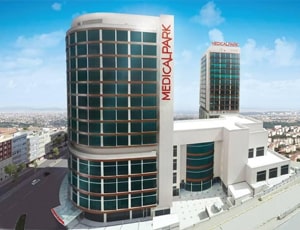
Choosing Istinye University Medical Park Gaziosmanpasa Hospital for Robotic Hernia Surgery gives patients access to experienced robotic surgeons, advanced three-dimensional surgical visualization, modern robotic systems, specialized anesthesia services, and structured postoperative care. Established in 2015, the ISO, JCI accredited hospital in Istanbul, Turkey has 197 beds and provides specialized treatment for abdominal wall and groin hernias.
Robotic Hernia Surgery is generally performed under general anaesthesia. Through small abdominal incisions, the surgeon uses robotic instruments to access and repair the hernia while viewing the surgical field on a high-definition monitor. Depending on the type and size of the defect, the hernia may be closed with sutures and reinforced with mesh. Patients are monitored after surgery for pain, swelling, bleeding, infection, urinary difficulties, mesh-related complications, and hernia recurrence.
Fortis Escorts Heart Institute, Okhla provides specialised Robotic Hernia Surgery with a focus on precise hernia defect repair, minimally invasive access, appropriate mesh placement, and individualized postoperative management. Established in 1988, the NABL accredited hospital is located in Delhi, India and operates 310 beds, with modern robotic, laparoscopic, diagnostic imaging, surgical, and postoperative care infrastructure.
Robotic Hernia Surgery can provide a minimally invasive treatment option for appropriately selected patients with symptomatic or complex hernias. Treatment planning considers the type and location of the hernia, defect size, previous abdominal or hernia surgeries, recurrence risk, body habitus, and overall health. A detailed surgical evaluation helps determine whether robotic repair is appropriate and guides selection of the most suitable repair technique and reinforcement strategy.
Kasemrad Ramkhamhaeng Hospital provides specialised Robotic Hernia Surgery with a focus on precise hernia defect repair, minimally invasive access, appropriate mesh placement, and individualized postoperative management. Established in 1992, the JCI accredited hospital is located in Bangkok, Thailand and operates 120 beds, with modern robotic, laparoscopic, diagnostic imaging, surgical, and postoperative care infrastructure.
Robotic Hernia Surgery can provide a minimally invasive treatment option for appropriately selected patients with symptomatic or complex hernias. Treatment planning considers the type and location of the hernia, defect size, previous abdominal or hernia surgeries, recurrence risk, body habitus, and overall health. A detailed surgical evaluation helps determine whether robotic repair is appropriate and guides selection of the most suitable repair technique and reinforcement strategy.
Liv Hospital Ulus is a trusted healthcare provider for Robotic Hernia Surgery, offering advanced robotic hernia repair supported by experienced general surgeons, minimally invasive specialists, anesthesiologists, and multidisciplinary surgical teams. Established in 2013, the JCI accredited hospital is situated in Istanbul, Turkey and has 154 beds.
Robotic Hernia Surgery works through several small incisions rather than a large open surgical incision. A high-definition camera provides an enhanced view of the operative field, while articulated robotic instruments allow the surgeon to perform precise dissection, suturing, and mesh placement. The technique may be particularly useful for selected complex or recurrent hernias where detailed tissue reconstruction is required.
Choosing Indraprastha Apollo Hospital for Robotic Hernia Surgery gives patients access to experienced robotic surgeons, advanced three-dimensional surgical visualization, modern robotic systems, specialized anesthesia services, and structured postoperative care. Established in 1996, the JCI accredited hospital in Delhi, India has 710 beds and provides specialized treatment for abdominal wall and groin hernias.
Robotic Hernia Surgery is generally performed under general anaesthesia. Through small abdominal incisions, the surgeon uses robotic instruments to access and repair the hernia while viewing the surgical field on a high-definition monitor. Depending on the type and size of the defect, the hernia may be closed with sutures and reinforced with mesh. Patients are monitored after surgery for pain, swelling, bleeding, infection, urinary difficulties, mesh-related complications, and hernia recurrence.