Browse verified doctors or let our care team help you find the doctor best suited to your condition, treatment goals, and budget.

Dubai, United Arab Emirates
Aster DM Healthcare provides specialised Esophagectomy with a focus on precise tumor removal, lymph node assessment, digestive tract reconstruction, and individualised postoperative care. Established in 1987, the JCI, NABH, NABL- accredited hospital is located in Dubai, United Arab Emirates and operates 114 beds, with modern gastrointestinal surgery, thoracic surgery, oncology, imaging, intensive-care, and rehabilitation infrastructure.
Esophagectomy can be an important component of treatment for appropriately selected patients with resectable oesophagal cancer. Treatment planning considers the tumor's location and stage, involvement of surrounding structures, nutritional status, cardiopulmonary fitness, and overall health. Multidisciplinary evaluation helps determine whether surgery is appropriate and which surgical approach, open, minimally invasive, or robotic-assisted, may be most suitable. Depending on the cancer stage and individual treatment plan, chemotherapy, radiation therapy, or other treatments may also be used before or after surgery.
Medanta - The Medicity provides specialised Esophagectomy with a focus on precise tumor removal, lymph node assessment, digestive tract reconstruction, and individualised postoperative care. Established in 2009, the JCI, NABH- accredited hospital is located in Gurgaon, India and operates 1250 beds, with modern gastrointestinal surgery, thoracic surgery, oncology, imaging, intensive-care, and rehabilitation infrastructure.
Esophagectomy can be an important component of treatment for appropriately selected patients with resectable oesophagal cancer. Treatment planning considers the tumor's location and stage, involvement of surrounding structures, nutritional status, cardiopulmonary fitness, and overall health. Multidisciplinary evaluation helps determine whether surgery is appropriate and which surgical approach, open, minimally invasive, or robotic-assisted, may be most suitable. Depending on the cancer stage and individual treatment plan, chemotherapy, radiation therapy, or other treatments may also be used before or after surgery.
Sharjah, United Arab Emirates
NMC Royal Hospital Sharjah provides specialised Esophagectomy with a focus on precise tumor removal, lymph node assessment, digestive tract reconstruction, and individualised postoperative care. Established in 1981, the JCI- accredited hospital is located in Sharjah, United Arab Emirates and operates 137 beds, with modern gastrointestinal surgery, thoracic surgery, oncology, imaging, intensive-care, and rehabilitation infrastructure.
Esophagectomy can be an important component of treatment for appropriately selected patients with resectable oesophagal cancer. Treatment planning considers the tumor's location and stage, involvement of surrounding structures, nutritional status, cardiopulmonary fitness, and overall health. Multidisciplinary evaluation helps determine whether surgery is appropriate and which surgical approach, open, minimally invasive, or robotic-assisted, may be most suitable. Depending on the cancer stage and individual treatment plan, chemotherapy, radiation therapy, or other treatments may also be used before or after surgery.
At Phyathai 2 International Hospital, Esophagectomy is performed using specialized gastrointestinal and thoracic surgical techniques with comprehensive cancer staging and multidisciplinary assessment. Established in 1987, this JCI accredited hospital in Bangkok, Thailand has 550 beds and offers advanced surgical oncology, thoracic surgery, gastroenterology, and critical-care services.
Esophagectomy may be considered for selected patients with resectable esophageal cancer and certain other serious esophageal conditions. Before surgery, the specialist team evaluates tumor location and stage, nutritional status, cardiopulmonary fitness, and overall health. During the procedure, the diseased portion of the esophagus is removed along with surrounding tissues and, when appropriate, nearby lymph nodes, followed by reconstruction to restore continuity of the digestive tract.
NPISTANBUL Brain Hospital is a trusted healthcare provider for Esophagectomy, offering complex esophageal surgery supported by experienced gastrointestinal surgeons, thoracic surgeons, surgical oncologists, gastroenterologists, anesthesiologists, intensivists, dietitians, and rehabilitation specialists. Established in 2007, the JCI- accredited hospital is situated in Istanbul, Turkey and has 160 beds.
Esophagectomy involves removal of the affected portion of the esophagus and reconstruction of the food passage. Depending on the location of the disease and the surgical approach, the stomach is commonly brought upward and connected to the remaining esophagus. Lymph node removal may also be performed to support cancer staging and treatment. In selected cases, minimally invasive or robotic-assisted surgery may be used to reduce the extent of surgical incisions while maintaining the required surgical access.
Choosing Gleneagles Hospital Mumbai for Esophagectomy gives patients access to experienced oesophagal surgeons, advanced imaging and staging facilities, minimally invasive and robotic surgical systems, specialised intensive-care units, and structured postoperative rehabilitation. Established in 1996, the JCI- accredited hospital in Mumbai, India has 450 beds and provides specialised gastrointestinal and thoracic oncology care.
Esophagectomy is performed under general anaesthesia using an approach selected according to the location and extent of disease and the patient's clinical condition. The operation may involve access through the chest, abdomen, or neck, depending on the surgical technique. Following removal of the diseased oesophagus, the digestive tract is reconstructed, commonly using the stomach. Patients require close postoperative monitoring for complications such as leakage at the surgical connection, infection, respiratory problems, bleeding, or nutritional difficulties.
Saudi German Hospital provides specialised Esophagectomy with a focus on precise tumor removal, lymph node assessment, digestive tract reconstruction, and individualised postoperative care. Established in 2012, the JCI- accredited hospital is located in Dubai, United Arab Emirates and operates 300 beds, with modern gastrointestinal surgery, thoracic surgery, oncology, imaging, intensive-care, and rehabilitation infrastructure.
Esophagectomy can be an important component of treatment for appropriately selected patients with resectable oesophagal cancer. Treatment planning considers the tumor's location and stage, involvement of surrounding structures, nutritional status, cardiopulmonary fitness, and overall health. Multidisciplinary evaluation helps determine whether surgery is appropriate and which surgical approach, open, minimally invasive, or robotic-assisted, may be most suitable. Depending on the cancer stage and individual treatment plan, chemotherapy, radiation therapy, or other treatments may also be used before or after surgery.
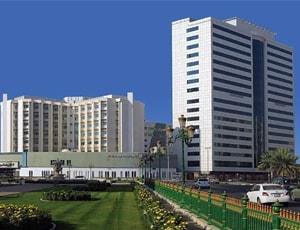
Antalya Anadolu Hastanesi provides specialised Esophagectomy with a focus on precise tumor removal, lymph node assessment, digestive tract reconstruction, and individualised postoperative care. Established in 2006, the - accredited hospital is located in Antalya, Turkey and operates 114 beds, with modern gastrointestinal surgery, thoracic surgery, oncology, imaging, intensive-care, and rehabilitation infrastructure.
Esophagectomy can be an important component of treatment for appropriately selected patients with resectable oesophagal cancer. Treatment planning considers the tumor's location and stage, involvement of surrounding structures, nutritional status, cardiopulmonary fitness, and overall health. Multidisciplinary evaluation helps determine whether surgery is appropriate and which surgical approach, open, minimally invasive, or robotic-assisted, may be most suitable. Depending on the cancer stage and individual treatment plan, chemotherapy, radiation therapy, or other treatments may also be used before or after surgery.
Ghaziabad, India
Max Super Specialty Hospital, Vaishali provides specialised Esophagectomy with a focus on precise tumor removal, lymph node assessment, digestive tract reconstruction, and individualised postoperative care. Established in 2008, the NABL, NABH- accredited hospital is located in Ghaziabad, India and operates 370 beds, with modern gastrointestinal surgery, thoracic surgery, oncology, imaging, intensive-care, and rehabilitation infrastructure.
Esophagectomy can be an important component of treatment for appropriately selected patients with resectable oesophagal cancer. Treatment planning considers the tumor's location and stage, involvement of surrounding structures, nutritional status, cardiopulmonary fitness, and overall health. Multidisciplinary evaluation helps determine whether surgery is appropriate and which surgical approach, open, minimally invasive, or robotic-assisted, may be most suitable. Depending on the cancer stage and individual treatment plan, chemotherapy, radiation therapy, or other treatments may also be used before or after surgery.
Choosing Canadian Specialist Hospital for Esophagectomy gives patients access to experienced oesophagal surgeons, advanced imaging and staging facilities, minimally invasive and robotic surgical systems, specialised intensive-care units, and structured postoperative rehabilitation. Established in 2006, the JCI- accredited hospital in Dubai, United Arab Emirates has 200 beds and provides specialised gastrointestinal and thoracic oncology care.
Esophagectomy is performed under general anaesthesia using an approach selected according to the location and extent of disease and the patient's clinical condition. The operation may involve access through the chest, abdomen, or neck, depending on the surgical technique. Following removal of the diseased oesophagus, the digestive tract is reconstructed, commonly using the stomach. Patients require close postoperative monitoring for complications such as leakage at the surgical connection, infection, respiratory problems, bleeding, or nutritional difficulties.
Max Hospital, Gurgaon offers advanced Esophagectomy using modern thoracic and gastrointestinal surgical techniques and individualized cancer care plans. Established in 2007, the ISO, NABH, NABL accredited hospital is located in Gurgaon, India and has 104 beds, providing comprehensive surgical and oncology care for local and international patients.
Esophagectomy is a major surgical procedure used to remove part or most of the esophagus, commonly for the treatment of esophageal cancer. The removed section may be replaced by reconstructing the digestive tract, often using the stomach or, in selected cases, part of the intestine. Depending on the tumor's location, stage, and the patient's overall condition, the procedure may be performed through open, minimally invasive, or robotic-assisted techniques.
Sikarin Hospital is a trusted healthcare provider for Esophagectomy, offering complex esophageal surgery supported by experienced gastrointestinal surgeons, thoracic surgeons, surgical oncologists, gastroenterologists, anesthesiologists, intensivists, dietitians, and rehabilitation specialists. Established in 1979, the JCI- accredited hospital is situated in Bangkok, Thailand and has 354 beds.
Esophagectomy involves removal of the affected portion of the esophagus and reconstruction of the food passage. Depending on the location of the disease and the surgical approach, the stomach is commonly brought upward and connected to the remaining esophagus. Lymph node removal may also be performed to support cancer staging and treatment. In selected cases, minimally invasive or robotic-assisted surgery may be used to reduce the extent of surgical incisions while maintaining the required surgical access.
Istanbul, Turkey
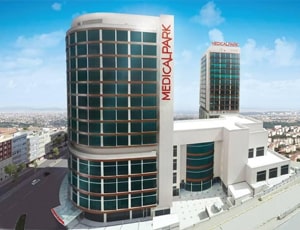
Istinye University Medical Park Gaziosmanpasa Hospital is a trusted healthcare provider for Esophagectomy, offering complex esophageal surgery supported by experienced gastrointestinal surgeons, thoracic surgeons, surgical oncologists, gastroenterologists, anesthesiologists, intensivists, dietitians, and rehabilitation specialists. Established in 2015, the ISO, JCI- accredited hospital is situated in Istanbul, Turkey and has 197 beds.
Esophagectomy involves removal of the affected portion of the esophagus and reconstruction of the food passage. Depending on the location of the disease and the surgical approach, the stomach is commonly brought upward and connected to the remaining esophagus. Lymph node removal may also be performed to support cancer staging and treatment. In selected cases, minimally invasive or robotic-assisted surgery may be used to reduce the extent of surgical incisions while maintaining the required surgical access.
Fortis Escorts Heart Institute, Okhla provides specialised Esophagectomy with a focus on precise tumor removal, lymph node assessment, digestive tract reconstruction, and individualised postoperative care. Established in 1988, the NABL- accredited hospital is located in Delhi, India and operates 310 beds, with modern gastrointestinal surgery, thoracic surgery, oncology, imaging, intensive-care, and rehabilitation infrastructure.
Esophagectomy can be an important component of treatment for appropriately selected patients with resectable oesophagal cancer. Treatment planning considers the tumor's location and stage, involvement of surrounding structures, nutritional status, cardiopulmonary fitness, and overall health. Multidisciplinary evaluation helps determine whether surgery is appropriate and which surgical approach, open, minimally invasive, or robotic-assisted, may be most suitable. Depending on the cancer stage and individual treatment plan, chemotherapy, radiation therapy, or other treatments may also be used before or after surgery.
Kasemrad Ramkhamhaeng Hospital provides specialised Esophagectomy with a focus on precise tumor removal, lymph node assessment, digestive tract reconstruction, and individualised postoperative care. Established in 1992, the JCI- accredited hospital is located in Bangkok, Thailand and operates 120 beds, with modern gastrointestinal surgery, thoracic surgery, oncology, imaging, intensive-care, and rehabilitation infrastructure.
Esophagectomy can be an important component of treatment for appropriately selected patients with resectable oesophagal cancer. Treatment planning considers the tumor's location and stage, involvement of surrounding structures, nutritional status, cardiopulmonary fitness, and overall health. Multidisciplinary evaluation helps determine whether surgery is appropriate and which surgical approach, open, minimally invasive, or robotic-assisted, may be most suitable. Depending on the cancer stage and individual treatment plan, chemotherapy, radiation therapy, or other treatments may also be used before or after surgery.