Browse verified doctors or let our care team help you find the doctor best suited to your condition, treatment goals, and budget.

Choosing MGM Healthcare for LV restoration surgery gives patients access to experienced cardiac surgeons, advanced diagnostic technology, and comprehensive cardiovascular care. Established in 2016, the NABH, NABL, JCI hospital in Chennai, India has 400 beds and provides specialised cardiac services.
LV Restoration Surgery may be recommended for selected patients whose left ventricle has become enlarged or weakened following significant heart muscle damage. The procedure focuses on restoring a more effective ventricular shape and reducing the impact of damaged or non-functional heart tissue on cardiac performance. Doctors generally conduct a detailed assessment of heart function before surgery using imaging and other cardiac tests. Post-surgical monitoring and cardiac rehabilitation can support recovery.
Sharjah, United Arab Emirates
Choosing Zulekha Hospital Sharjah for LV restoration surgery gives patients access to experienced cardiac surgeons, advanced diagnostic technology, and comprehensive cardiovascular care. Established in 1992, the JCI hospital in Sharjah, United Arab Emirates has 185 beds and provides specialised cardiac services.
LV Restoration Surgery may be recommended for selected patients whose left ventricle has become enlarged or weakened following significant heart muscle damage. The procedure focuses on restoring a more effective ventricular shape and reducing the impact of damaged or non-functional heart tissue on cardiac performance. Doctors generally conduct a detailed assessment of heart function before surgery using imaging and other cardiac tests. Post-surgical monitoring and cardiac rehabilitation can support recovery.
Apollo Hospitals Bannerghatta is a trusted healthcare provider for LV restoration surgery, offering advanced cardiac care delivered by experienced specialists and supported by modern medical infrastructure. Established in 2007, the JCI hospital is situated in Bangalore, India and has 350 beds.
LV Restoration Surgery aims to improve the structure and function of the left ventricle when heart muscle damage has caused abnormal enlargement or changes in ventricular shape. Depending on the patient's condition, the surgeon may remove or exclude scarred and non-functioning portions of the ventricular wall. Detailed cardiac testing and imaging are performed before treatment to assess ventricular size, function, and the extent of damage. Follow-up care and rehabilitation may be recommended after surgery.
Fortis Hospital is a trusted healthcare provider for LV restoration surgery, offering advanced cardiac care delivered by experienced specialists and supported by modern medical infrastructure. Established in 2001, the NABH, NABL, JCI hospital is situated in Bangalore, India and has 375 beds.
LV Restoration Surgery aims to improve the structure and function of the left ventricle when heart muscle damage has caused abnormal enlargement or changes in ventricular shape. Depending on the patient's condition, the surgeon may remove or exclude scarred and non-functioning portions of the ventricular wall. Detailed cardiac testing and imaging are performed before treatment to assess ventricular size, function, and the extent of damage. Follow-up care and rehabilitation may be recommended after surgery.
At Medipol Mega University Hospital, LV restoration surgery is performed using advanced cardiac surgical techniques and individualised treatment plans tailored to the patient's heart condition. Established in 2012, this JCI hospital in Istanbul, Turkey has 810 beds and provides comprehensive cardiovascular care.
LV Restoration Surgery may be considered for selected patients with an enlarged or weakened left ventricle caused by previous myocardial infarction, ischemic heart disease, or cardiomyopathy. The procedure aims to restore a more functional ventricular shape by repairing or excluding damaged areas of the heart muscle. Before surgery, doctors typically perform echocardiography, cardiac imaging, and other assessments to evaluate ventricular function. Postoperative care and cardiac rehabilitation support recovery and ongoing heart health.
Choosing Fortis Hospital for LV restoration surgery gives patients access to experienced cardiac surgeons, advanced diagnostic technology, and comprehensive cardiovascular care. Established in 2011, the NABH, NABL hospital in Kolkata, India has 400 beds and provides specialised cardiac services.
LV Restoration Surgery may be recommended for selected patients whose left ventricle has become enlarged or weakened following significant heart muscle damage. The procedure focuses on restoring a more effective ventricular shape and reducing the impact of damaged or non-functional heart tissue on cardiac performance. Doctors generally conduct a detailed assessment of heart function before surgery using imaging and other cardiac tests. Post-surgical monitoring and cardiac rehabilitation can support recovery.
HCG Kalinga Rao Road offers advanced LV Restoration Surgery using modern cardiac surgical techniques and internationally accepted treatment protocols. Established in 1989, the ISO, NABH hospital is located in Bangalore, India and has 250 beds, providing comprehensive care for local and international patients.
LV Restoration Surgery is a cardiac procedure designed to restore the shape and size of the left ventricle when it has become enlarged or distorted, often following a heart attack or due to certain forms of cardiomyopathy. The procedure may involve removing or excluding damaged, scarred, or non-functional portions of the ventricular wall to improve its geometry and pumping efficiency. Comprehensive cardiac evaluation and imaging are generally performed before surgery, followed by postoperative monitoring and cardiac rehabilitation.
Medicover Hungary is a trusted healthcare provider for LV restoration surgery, offering advanced cardiac care delivered by experienced specialists and supported by modern medical infrastructure. Established in 2015, the ISO hospital is situated in Budapest, Hungary and has 30 beds.
LV Restoration Surgery aims to improve the structure and function of the left ventricle when heart muscle damage has caused abnormal enlargement or changes in ventricular shape. Depending on the patient's condition, the surgeon may remove or exclude scarred and non-functioning portions of the ventricular wall. Detailed cardiac testing and imaging are performed before treatment to assess ventricular size, function, and the extent of damage. Follow-up care and rehabilitation may be recommended after surgery.
Choosing Quironsalud Torrevieja Hospital for LV restoration surgery gives patients access to experienced cardiac surgeons, advanced diagnostic technology, and comprehensive cardiovascular care. Established in 2006, the ISO hospital in Torrevieja, Spain has 119 beds and provides specialised cardiac services.
LV Restoration Surgery may be recommended for selected patients whose left ventricle has become enlarged or weakened following significant heart muscle damage. The procedure focuses on restoring a more effective ventricular shape and reducing the impact of damaged or non-functional heart tissue on cardiac performance. Doctors generally conduct a detailed assessment of heart function before surgery using imaging and other cardiac tests. Post-surgical monitoring and cardiac rehabilitation can support recovery.
Medical Park Canakkale Hospital offers advanced LV Restoration Surgery using modern cardiac surgical techniques and internationally accepted treatment protocols. Established in 2017, the ISO, JCI hospital is located in Canakkale, Turkey and has 92 beds, providing comprehensive care for local and international patients.
LV Restoration Surgery is a cardiac procedure designed to restore the shape and size of the left ventricle when it has become enlarged or distorted, often following a heart attack or due to certain forms of cardiomyopathy. The procedure may involve removing or excluding damaged, scarred, or non-functional portions of the ventricular wall to improve its geometry and pumping efficiency. Comprehensive cardiac evaluation and imaging are generally performed before surgery, followed by postoperative monitoring and cardiac rehabilitation.
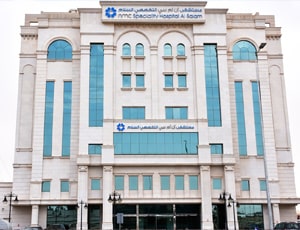
NMC Specialty Hospital Al Salam is a trusted healthcare provider for LV restoration surgery, offering advanced cardiac care delivered by experienced specialists and supported by modern medical infrastructure. Established in 1999, the CBAHI hospital is situated in Riyadh, Saudi Arabia and has 100 beds.
LV Restoration Surgery aims to improve the structure and function of the left ventricle when heart muscle damage has caused abnormal enlargement or changes in ventricular shape. Depending on the patient's condition, the surgeon may remove or exclude scarred and non-functioning portions of the ventricular wall. Detailed cardiac testing and imaging are performed before treatment to assess ventricular size, function, and the extent of damage. Follow-up care and rehabilitation may be recommended after surgery.
At Medical Park Fatih Hospital, LV restoration surgery is performed using advanced cardiac surgical techniques and individualised treatment plans tailored to the patient's heart condition. Established in 2007, this JCI hospital in Istanbul, Turkey has 246 beds and provides comprehensive cardiovascular care.
LV Restoration Surgery may be considered for selected patients with an enlarged or weakened left ventricle caused by previous myocardial infarction, ischemic heart disease, or cardiomyopathy. The procedure aims to restore a more functional ventricular shape by repairing or excluding damaged areas of the heart muscle. Before surgery, doctors typically perform echocardiography, cardiac imaging, and other assessments to evaluate ventricular function. Postoperative care and cardiac rehabilitation support recovery and ongoing heart health.
University Hospital Quironsalud Madrid offers advanced LV Restoration Surgery using modern cardiac surgical techniques and internationally accepted treatment protocols. Established in 2006, the ISO, JCI hospital is located in Madrid, Spain and has 575 beds, providing comprehensive care for local and international patients.
LV Restoration Surgery is a cardiac procedure designed to restore the shape and size of the left ventricle when it has become enlarged or distorted, often following a heart attack or due to certain forms of cardiomyopathy. The procedure may involve removing or excluding damaged, scarred, or non-functional portions of the ventricular wall to improve its geometry and pumping efficiency. Comprehensive cardiac evaluation and imaging are generally performed before surgery, followed by postoperative monitoring and cardiac rehabilitation.
Istanbul, Turkey
Medical Park Bahcelievler Hospital is a trusted healthcare provider for LV restoration surgery, offering advanced cardiac care delivered by experienced specialists and supported by modern medical infrastructure. Established in 2015, the JCI hospital is situated in Istanbul, Turkey and has 242 beds.
LV Restoration Surgery aims to improve the structure and function of the left ventricle when heart muscle damage has caused abnormal enlargement or changes in ventricular shape. Depending on the patient's condition, the surgeon may remove or exclude scarred and non-functioning portions of the ventricular wall. Detailed cardiac testing and imaging are performed before treatment to assess ventricular size, function, and the extent of damage. Follow-up care and rehabilitation may be recommended after surgery.
Dexeus University Hospital provides specialised LV restoration surgery with a focus on surgical precision, patient safety, and comprehensive cardiac recovery. Established in 1973, the JCI hospital is located in Barcelona, Spain, and operates 200 beds, equipped with modern healthcare infrastructure.
LV Restoration Surgery is a reconstructive cardiac procedure that seeks to restore the geometry of an abnormal left ventricle and improve its mechanical function. It may be used in carefully selected patients with ventricular enlargement or scarring associated with ischemic heart disease, previous heart attacks, or certain cardiomyopathies. Treatment planning generally involves detailed cardiac imaging and functional assessment. Depending on the patient's needs, surgery may be combined with other cardiac procedures, followed by close monitoring and rehabilitation.