Yohan's Autism Tele-Rehabilitation Journey: Building Everyday Skills and Communication
Published: Nov 18, 2026
Updated: Nov 18, 2026
Published: Nov 18, 2026
Updated: Nov 18, 2026
Every child learns, communicates, and connects with others in their own way. For children with Autism Spectrum Disorder (ASD), everyday interactions and communication can sometimes be challenging, making the right support and guidance important.
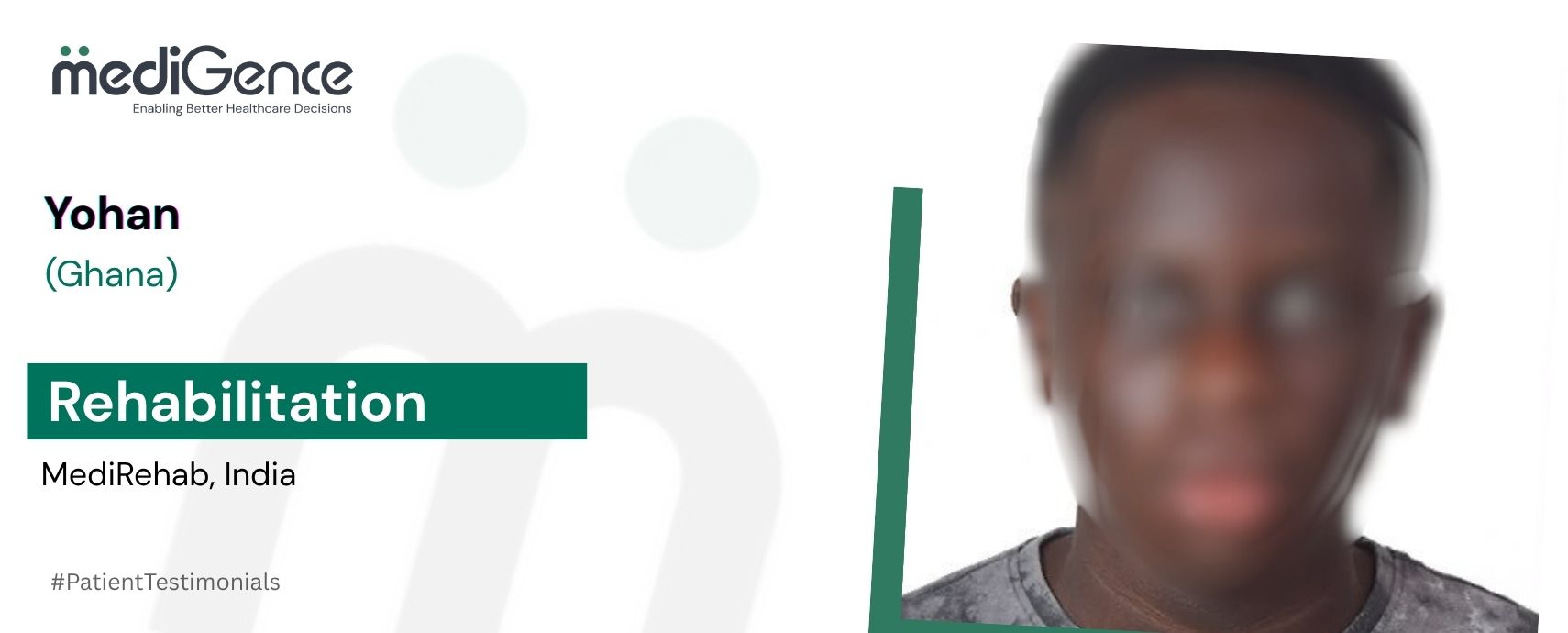
14-year-old Yohan from Ghana faced difficulties with communication and social interactions, which affected his participation in daily activities. His family wanted to find the right rehabilitation support to help him develop these skills. However, accessing specialised care from another country was not easy.
Tele-rehabilitation opened a new possibility. Through MediGence, Yohan began a personalised online programme with a rehabilitation professional. Over four weeks, he worked on communication, social engagement, and everyday skills.
His journey shows how technology-enabled rehabilitation, consistent therapeutic guidance, and family involvement can help children with autism reach meaningful developmental milestones.
Yohan's family was concerned and determined to get help. They explored rehabilitation options from their home, in Ghana, hoping to land on a solution that didn't involve complicated travel.
That's when MediGence stepped in, offering a comprehensive approach to patient care that began with the first step and continued through recovery.
Through the platform, Yohan's family connected with the experienced Patient Advisory Team. Dr Vijita guided them through the process, coordinating each step of their journey and helping them access the right rehabilitation support. Yohan subsequently began his personalised tele-rehabilitation programme under the clinical guidance of Dr Rahil, Rehabilitation Expert.
Find the Right Specialist and Rehabilitation Support Accessing the right specialist and a personalised rehabilitation plan can help address communication, social interaction, and developmental challenges.
Following consultation and evaluation, Yohan continued with the rehabilitation of autism spectrum disorder. His main challenges, in communication and social interaction shaped his care plan. The tele-rehabilitation sessions were customized to meet his needs. They focused on building communication skills, offering more engaging learning opportunities, and improving his ability to interact socially.
Yohan's tele-rehabilitation program was in place, Yohan was starting to improve his communication, understanding, learning, and social interaction. Over the four weeks consistent therapeutic guidance and family‑assisted home practice helped Yohan make encouraging changes in everyday abilities.
One of the things we focused on was helping Yohan understand and respond to simple commands. During the review period Yohan showed an ability to follow commands and was more consistent when responding to verbal cues and therapeutic activities.
Yohan also gained a sense of daily routines, instructions, and task expectations, which let Yohan become more engaged in structured activities.
As the programme progressed, the team concentrated on strengthening Yohan's communication and learning abilities.
The rehabilitation team observed progress in both verbal and non-verbal communication. He showed better responsiveness during conversations, improved expression, and increased ability to communicate appropriately during therapeutic sessions and daily activities.
His learning abilities showed progress. He became better at copying and imitating gestures, activities, and task-related actions.
Improvements were also observed in:
These developments reflected his growing ability to engage in structured learning activities.
For Yohan, developing meaningful social connections was another important rehabilitation goal.
Over the four weeks, he gradually improved his interactions with unfamiliar individuals. He became more comfortable participating in guided social interactions, with better adjustability and engagement.
His attitude towards therapeutic exercises also became increasingly cooperative. He showed greater willingness to participate in prescribed activities and demonstrated improved engagement during community-based and social activities.
These changes marked encouraging progress towards greater social participation.
An important part of Yohan's rehabilitation journey was consistent practice beyond scheduled online sessions.
His family supported him in completing the home activities and exercises recommended by the rehabilitation team. This involvement reinforced the skills introduced during therapy and encouraged their use in everyday routines.
His compliance with the prescribed home programme reflected positive family participation and provided a foundation for continued progress.
According to the treating clinician, Yohan showed significant functional improvement and responded positively to the rehabilitation programme at the end of the four-week review.
His clinical progress included:
Yohan's journey is far from over. New possibilities and milestones lie ahead. Encouraged by his progress, Dr Rahil recommended continuing tele-rehabilitation for another four weeks, focusing on strengthening communication, learning, social interaction, and everyday independence.
For Yohan and his family, every small improvement is a reason to smile. A new response, a newly learned skill, or a meaningful interaction may seem like a small step, but together, these moments make a real difference.
As Yohan continues his rehabilitation, the hope is that he will grow, express himself, build connections, and discover his abilities, one milestone at a time. Every step forward, no matter how small, deserves celebration.

Pragun Gupta is a Doctor of Pharmacy (Pharm. D.) professional from Teerthanker Mahaveer University with hands-on experience in clinical pharmacology, clinical research, and evidence-based medical writing. Through her clinical and research exposure, she has developed a strong interest in pharmacoeconomics, pharmacology, therapeutics, and pharmacovigilance. As a medical writer, she works on medical and scientific research articles, patient education materials, and healthcare-focused content. Her clinical research and evidence-based writing experience enables her to translate complex medical information into clear, accurate, patient-friendly content while maintaining scientific credibility and medical accuracy. Her primary aim is to make healthcare information accessible and easy for patients and general readers to understand.

With over 14 years of experience. Dr. Vijita Jayan is an extremely competent, skilled & revered Senior Neuro Physiotherapist. She holds an impeccable academic record and extensive experience in the field of neuro-rehabilitation. She is renowned for handling mobility-dependent cases. She is also an avid writer of several published articles & research papers. Being awarded several accolades in her career, she is considered one of the leading names in the field of Physical Medicine and Rehabilitation.

Delhi, India

Istanbul, Turkey

Istanbul, Turkey

Istanbul, Turkey
 Active

.png)




.jpg)
