Step Lightly: Understanding Foot Deformities and How to Fix Them
Published: Oct 27, 2025
Updated: Jun 05, 2026
.png)
Published: Oct 27, 2025
Updated: Jun 05, 2026
In its standard form, the human foot is a masterpiece of engineering, perfectly designed to support our body, absorb shock, and allow us to move gracefully in an upright position. Our foot consists of the bones, joints, muscles, tendons, and ligaments that work together to give it strength, flexibility, and stability. Our feet can easily support our body weight, maintain balance, and adjust to uneven surfaces thanks to this fantastic combination. However, genetics, lifestyle choices, accidents, and illnesses can all cause foot abnormalities. While some malformations develop later in life, others are present from birth. Some malformations may go completely unnoticed, while others may cause pain, discomfort, or trouble walking.
A foot deformity is an abnormal shape, alignment, or function of the foot that can affect mobility and comfort. Some people are born with deformities (congenital foot deformities) like clubfoot or metatarsus adductus, while others develop them over time (acquired deformities) due to injuries, ageing, or medical conditions. Common deformities include flat feet, bunions, hammer toes, claw toes, high arches, and clubfoot. These conditions may cause visible changes, discomfort, and difficulty in walking, running, or standing for long periods. Some of the foot deformities mentioned below:
Flat Feet (Pes Planus)
Flat feet occur when the arches of the feet collapse, causing the entire sole to touch the ground. This can result in:
Many children are born with flat feet, and arches often develop naturally with age. However, in some cases, flat feet persist into adulthood and can cause long-term discomfort.
Struggling with Foot Pain or Deformity? Don't let foot deformities affect your mobility and quality of life. Connect with leading orthopedic and foot specialists
High Arches (Pes Cavus)
High arches are the opposite of flat feet, where the arch is exaggerated. This condition can place extra pressure on the heel and ball of the foot, leading to:
High arches can be congenital or develop from neurological conditions, making early diagnosis important.
Bunions (Hallux Valgus)
Bunions (bony bumps) form at the base of the big toe, causing the toe to tilt inward. They may result in joint redness, swelling, pain when walking or wearing shoes, and trouble finding shoes that fit. Bunions frequently get worse with time if treatment is not received; thus, prompt action is essential for comfort and mobility.
Hammertoes
Hammertoes are deformities where one or more toes bend in a claw-like position. They can cause:
Clubfoot (Congenital Talipes Equinovarus)
Clubfoot is a congenital deformity where the foot is twisted inward and downward. Early treatment is crucial to prevent lifelong disability.
Other Foot Deformities
Avovarus foot, which combines a high arch with heel varus; metatarsus adductus, where the front of the foot curls inward; and tarsal coalition, an unnatural connection between two or more foot bones, are other notable foot problems. Early detection is important for the successful treatment of these abnormalities, which can impact walking, balance, and general foot health.
Taking proper care of your feet and seeking specialist advice is crucial for managing these conditions and maintaining overall health. If you or a family member is affected, there are steps and preventive measures that can help reduce complications and improve quality of life.
Some signs are hard to miss: pain while walking or standing, swelling, redness, visible misalignment, difficulty wearing shoes, and imbalance or tripping. Numbness or tingling may occur if nerves are involved. Early detection is key to preventing long-term mobility issues.
Physicians begin with a physical examination, assessing pressure spots, alignment, and movement.
Physical Examination: The form, alignment, and structure of your foot are closely examined by your healthcare provider.
Imaging Tests:
Gait Analysis:
Non-Surgical Approaches: Comfort First
Many deformities respond well to custom orthotics, supportive footwear, stretching exercises, physical therapy, and anti-inflammatory medications. These approaches relieve pain, improve balance, and slow deformity progression - especially in mild to moderate cases.
Surgery: When Needed
1. When Surgery Is Recommended:
2. Common Surgical Procedures:
The use of technology has changed foot care. Custom orthotics that are 3D printed fit your particular foot shape perfectly. Precision is improved with robotically assisted surgeries, and patients can go home the same day after daycare procedures. Recovery is easier than ever because of less discomfort, quicker healing, and less pain.
In order to correct a foot abnormality, balance, movement, and confidence must be restored; surgery is not the only option. A highly qualified orthopedic doctor blends medical knowledge with a thorough comprehension of foot mechanics and a focus on patient-centred care.
Leading orthopedic specialists like Dr. Hemant Sharma (FRCS Ortho, MRCS, DNB, D'Ortho), who is the director of the Marengo Asia Robotic Centre for Orthopedics & Joint, provide orthopedic care at Marengo Asia Hospital. The facility combines cutting-edge robotic technology with compassionate treatment under his direction. Patients benefit from more accurate alignment correction, a quicker recovery period, and enhanced long-term comfort.
MediGence has made it easier than ever to connect with these top experts. With the right direction and skilled treatment, patients can confidently move forward with regaining their mobility and managing foot abnormalities.
Not all foot deformities can be prevented, but healthy habits help. Wear well-fitted, supportive shoes, avoid long-term use of high heels or narrow footwear, maintain a healthy weight, and perform foot-strengthening exercises. Regular visits to a podiatrist or orthopedic specialist can catch issues early and prevent complications.
You don't have to let foot abnormalities slow you down. You can have pain-free movement with an early diagnosis, good treatment, and lifestyle changes. See a foot and ankle specialist if you experience ongoing pain, foot form changes, or trouble walking. Your feet carry you through life, so it's important to take care of them so you can continue to move comfortably every day.
Receive end-to-end support for treatment, travel, and recovery. Trusted by 100000+ patients and leading medical experts. Find the Right Foot Deformity Treatment.

Lifestyle decisions may significantly improve foot health, reduce discomfort, and stop further issues, even while medical treatments and surgeries are essential for controlling foot abnormalities. Overall mobility and quality of life can be significantly improved by making minor adjustments to regular routines.
Options for Footwear
Shoes That Provide Support Are Essential: Wearing the right shoes can help keep your feet aligned, ease pain, and stop abnormalities from getting worse.
1. Features to Consider:
2. Weight Management
Why It Matters: Excess body weight increases pressure on the feet, aggravating deformities, causing pain, and potentially accelerating joint degeneration.
3. Healthy Habits for Foot Health:
It has never been simpler to receive professional foot care in today's connected world. Patients may find the best orthopedic surgeons and podiatrists in the world through our website, MediGence. Based on reviews, pricing, and experience, patients can compare surgeons and hospitals. In addition to receiving help with travel, lodging, and hospital coordination, they can arrange teleconsultations prior to their trip. This ensures that anyone can get excellent treatment for foot abnormalities and regain healthy, functional feet, no matter where they live.
Yes, many mild-to-moderate foot abnormalities are treatable without surgery. Custom orthotics, supportive shoes, physiotherapy, stretching exercises, anti-inflammatory medicines, and lifestyle changes are all common nonsurgical therapies for pain and mobility.
Foot deformities may develop due to genetics, birth defects, ageing, injuries, arthritis, nerve disorders, obesity, or wearing tight and unsupportive footwear. Some deformities are congenital, while others develop gradually over time due to lifestyle and medical conditions.
Recovery depends on the type of surgery and the severity of the deformity. Most patients can resume light activities within a few weeks, while complete healing and rehabilitation may take several months.
Early signs of a foot deformity include persistent foot pain, swelling, redness, imbalance while walking, difficulty wearing shoes, toe misalignment, numbness, and frequent ankle sprains. Early diagnosis helps prevent worsening symptoms and mobility issues.

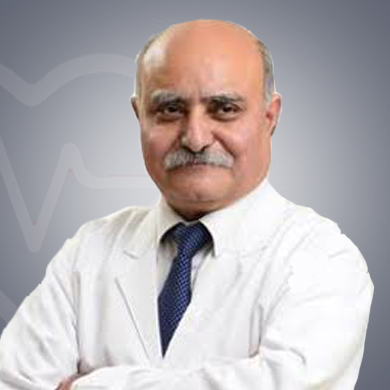
Dr. Hemant Sharma, FRCS (Ortho), MRCS, DNB, D’Ortho, is the Director of the Marengo Asia Robotic Centre for Orthopaedics & Joint Care (MARC). Trained in the UK with credentials including FRCS (Trauma & Orthopaedics) from the Royal College of Surgeons of England, Dr. Sharma specializes in robotic hip and knee replacements, complex trauma, revision arthroplasty, joint preservation, and sports injury surgeries, combining precision with compassionate care. He is also deeply involved in academic training, workshops, and surgical mentoring, shaping the next generation of orthopaedic surgeons. A distinguished leader, Dr. Sharma has served in primary disaster relief operations and continues to champion holistic rehabilitation for restoring mobility and quality of life. His commitment to surgical excellence and innovation makes him a trusted name in orthopaedics and joint replacement surgery.

Known for his soft-spoken nature, Dr. Manon Miglani had completed his MBBS from Maulana Azad Medical College and MS (Ortho) from All India Institute of Medical Sciences. Dr. Miglani was awarded the AO spine fellowship from Queen's Medical Centre, Nottingham, and he also received the Stryker fellowship in Arthroplasty from Indraprastha Apollo Hospital. Dr. Manon Miglani has provided his expert services to various hospitals of Delhi and NCR, including AIIMS, Indraprastha Apollo, Jaipur Golden Hospital, and Artemis Hospital. Presently, Dr. Manon is the additional director of Fortis, Vasant Kunj and senior consultant at Fortis, Shalimar Bagh.



Delhi, India

Istanbul, Turkey

Istanbul, Turkey

Istanbul, Turkey
 Active
.jpg)

.jpg)


