Robotic Total Knee Replacement: What Patients Should Know Before Surgery
Published: Oct 28, 2025
Updated: Jun 12, 2026

Published: Oct 28, 2025
Updated: Jun 12, 2026
Robotic total knee replacement (rTKA) is one of the most significant advances in orthopaedic surgery in recent years, transforming outcomes for patients with debilitating knee pain. This blog will help you understand what robotic knee replacement is, how the technology works, its benefits and statistical outcomes, potential risks, and what to expect before, during, and after surgery. Whether you're gathering information for yourself or a loved one, this blog provides authoritative, patient-focused insights backed by current research and clinical experience.
Robotic total knee replacement utilizesutilizes advanced surgical robotics to assist orthopaedic surgeons in replacing a damaged knee joint with unprecedented accuracy. Unlike traditional surgery, where surgical instruments rely entirely on a surgeon's hand and experience, rTKA incorporates a robotic arm and computer navigation to guide bone preparation and implant positioning.
Critically, the robot does not operate independently - the surgeon remains in complete control throughout. The robotic system acts as a "smart assistant," translating surgical planning into exact physical action.
Demand for rTKA is surging worldwide. In 2010, fewer than 0.5% of total knee replacements in the U.S. were performed using robotic-assisted technology. By 2022, that figure had reached 3.45%. Projections indicate that by 2025, 13% of knee replacement surgeries will utilize robotic technology, with estimates as high as 50% by 2030 in major centres.
Below is a thorough walkthrough of each stage, ensuring you understand what happens from pre-surgery to recovery.
In the days before surgery, you'll undergo:
3. Anaesthesia and Operating Room Setup
On the day of surgery:
The main steps involve:
Closure: The incision is closed, typically with internal sutures, which preserve the skin and soft tissue for faster healing.
Compare treatment costs and package details.

Trusted by 100000+ patients and leading medical experts.
Clinical data show that robotic-assisted surgery provides clear advantages over conventional techniques.
Improved Function and Longevity
Robotic knee replacement, while advanced, does come with unique considerations.
Eligibility is determined through a detailed medical assessment. Generally, candidates include:

Find the Right Orthopedic Doctor & Hospital for Your Treatment
Connect with experienced orthopaedic surgeons and leading hospitals for personalised treatment guidance
Robotic technology is transforming the landscape of orthopaedic surgery, delivering safer, smarter, and more effective solutions to patients worldwide. If you're struggling with knee pain, robotic total knee replacement may offer relief with better outcomes and a quicker return to your active life.
Robotic knee replacement can offer better precision, improved alignment, and faster recovery in some cases. However, the overall success also depends on the surgeon's experience and your individual condition.
Yes, it is considered safe when performed by a trained surgeon. The robotic system adds precision, which may reduce the risk of certain complications.
Yes, it is safe for older adults if they are medically fit. In fact, the precision and minimally invasive approach can reduce complications and support faster recovery in elderly patients.
Yes, it can be slightly more expensive due to advanced technology. However, many patients find it cost-effective because of faster recovery, shorter hospital stay, and fewer complications.
Most patients begin walking within 24 hours and can resume daily activities within 2-4 weeks. Full recovery, including strength and mobility, typically takes around 3 months, depending on individual health and rehabilitation

Alvina Hasan is a dedicated medical researcher and scientific writer with a strong foundation in the pharmaceutical sciences. She holds a B.Pharm from Jamia Hamdard University and an M.Pharm in Quality Assurance from DIPSAR University. With deep medical expertise and a strong interest in healthcare communication, she focuses on transforming complex clinical and scientific information into clear, engaging, and easy-to-understand narratives. She develops insightful healthcare articles and research-driven pieces designed to support both medical professionals and patients, helping bridge the gap between advanced medical knowledge and practical understanding.

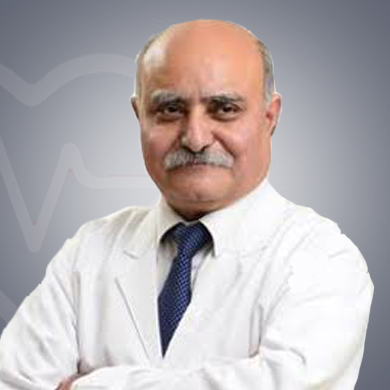
Known for his soft-spoken nature, Dr. Manon Miglani had completed his MBBS from Maulana Azad Medical College and MS (Ortho) from All India Institute of Medical Sciences. Dr. Miglani was awarded the AO spine fellowship from Queen's Medical Centre, Nottingham, and he also received the Stryker fellowship in Arthroplasty from Indraprastha Apollo Hospital. Dr. Manon Miglani has provided his expert services to various hospitals of Delhi and NCR, including AIIMS, Indraprastha Apollo, Jaipur Golden Hospital, and Artemis Hospital. Presently, Dr. Manon is the additional director of Fortis, Vasant Kunj and senior consultant at Fortis, Shalimar Bagh.




Delhi, India

Istanbul, Turkey

Istanbul, Turkey

Istanbul, Turkey
 Active
.jpg)

.jpg)


