Your Notifications
All done, no notifications

Lifestyle Changes to Prevent a Stroke

Stroke

Published: Jun 24, 2025

Updated: Mar 06, 2026

Published: Jun 24, 2025

Updated: Mar 06, 2026

Lifestyle Changes to Prevent a Stroke

A stroke is the third leading cause of death around the world, and it can also cause serious long-term disabilities and financial issues. Since adults cannot fully regenerate damaged brain tissue, recovery is often incomplete. That's why it's important to focus on prevention. Strokes can change lives for both the person affected and their family. They happen when blood cannot reach the brain, which can cause serious problems like trouble moving or speaking, or even death. The best news is that many strokes can be prevented. Making some lifestyle changes can lower your risk and help keep your heart and brain healthy. Let's look at some changes you can make to reduce your risk of a stroke.

Understanding Stroke Risk Factors

Strokes often result from a combination of health issues and lifestyle factors. People with high cholesterol, diabetes, high blood pressure, or obesity are more likely to have a stroke. Unhealthy habits like not exercising, drinking too much alcohol, and smoking can also increase these health problems. Knowing and understanding stroke risk factors is the first step to preventing strokes.

How to Prevent a Stroke

  • Maintain Excessive Weight: Weight loss and weight maintenance, as part of a lifestyle modification program, remain the cornerstone of treatment in individuals with overweight and obesity. Interventions for weight loss include dieting, exercise, psychological or behavioural interventions, pharmacotherapy for appetite suppression or metabolic alteration, surgical or laparoscopic gastroplasty to limit food intake, and other therapies. Weight loss and maintenance are central components of a program to modify lifestyle in overweight or obese individuals. Treatments to lose weight are dieting, exercise, mental health or behaviour therapy, medications that decrease hunger or alter energy utilisation by the body, eating less with surgery, and other interventions.


  • Regular Physical Activity: The Risk of stroke may be lowered with the habit of physical activity in people of all ages and both genders. Exercise benefits are in line with the accumulating body of evidence that interventions (e.g., exercise training) facilitating plaque stability and desirable modifications in vascular wall function hold significant consequences for the medical treatment of patients following stroke. Burning 2,000 to 3,000 calories per week has been shown to reduce stroke risk by approximately half.


  • Stop Smoking: Stroke hits the brain and can alter lives in a split second. Smoking raises the chances of having a stroke or bleeding in the brain by double. It is one of the primary factors that can be modified to reduce the risk of strokes. It takes two to four years after quitting smoking for the risk to lower. People who smoke should be given help to stop, like counselling or nicotine patches, and should avoid secondhand smoke.


  • Lower Blood Pressure: Hypertension (HTN) is the leading cause of stroke, and it is responsible for 90% of strokes. With good blood pressure control, it is possible to avoid approximately 40% of strokes. High blood pressure raises the risk of stroke even when still within normal. High blood pressure often does not exhibit any noticeable signs, so it's essential to have it checked regularly. Ask your doctor how often you should check it. It is possible to check your blood pressure at home, at a doctor's office, or at a pharmacy. If your blood pressure is high, your doctor may recommend lifestyle changes, prescribe some medication, or suggest reducing your salt intake.


  • Control Diabetes: For patients with diabetes who have had a stroke, blood sugar goals should be tailored to each person. This should consider their risk of problems, personal traits, and their preferences. Diabetes treatment with metformin and lifestyle changes. Some medications that lower blood sugar and help prevent heart problems are also recommended for patients who are at risk of strokes. Doctors should work with patients to choose the proper medication, considering costs, side effects, weight loss goals, dislike of injections, and the risk of low blood sugar.


  • Quit Alcohol: The risk of stroke can be raised by frequent heavy alcohol consumption. Research indicates that alcohol use and the risk of stroke are correlated. This suggests that healthy cholesterol and blood coagulation may be enhanced by light to moderate drinking, which may help prevent strokes. However, because of things like high blood pressure and cardiac issues, frequent drinking increases the risk of strokes. After an ischemic stroke, it is recommended that alcohol consumption be reduced or stopped.


  • Healthy Diet: Studies show that eating fish regularly, consuming a variety of vegetables and fruit, and following a healthy diet can help protect against strokes. The Mediterranean diet utilises olive oil for cooking and incorporates healthy fats from nuts and plant-based foods, including fruits, vegetables, beans, whole grains, and cereals. It encourages eating more fish, eating less meat, especially red and processed meats, and drinking less alcohol. This healthy diet also suggests limiting milk and dairy products, as well as avoiding soda, sweets, pastries, and unhealthy fats.

Salus Active

Confused

Finding too much Information to browse through...talk to our smart SALUS AI to get the precise answers.

Salus

Avail Medical Counseling

Required | alphabets and spaces
Required | A valid, working email address
Required | A valid contact
Dr. Ishika Gupta
Author

Dr. Ishika Gupta

Dr. Ishika Gupta is a highly skilled clinical rehabilitation specialist who is passionate about delivering evidence-based medical content. Certified in medical writing from Alison, accredited by CPD UK, she combines her clinical expertise with her professional writing abilities to create educational and readable content. Dr. Gupta is committed to promoting content based on research. She has published and presented her work at respected forums, including GERICON 2023 and BRICSCESS 2024.

Dr. Vijita Jayan
Reviewer

Dr. Vijita Jayan

With over 14 years of experience. Dr. Vijita Jayan is an extremely competent, skilled & revered Senior Neuro Physiotherapist. She holds an impeccable academic record and extensive experience in the field of neuro-rehabilitation. She is renowned for handling mobility-dependent cases. She is also an avid writer of several published articles & research papers. Being awarded several accolades in her career, she is considered one of the leading names in the field of Physical Medicine and Rehabilitation.
Other Related Blogs

Meet our healthcare experts

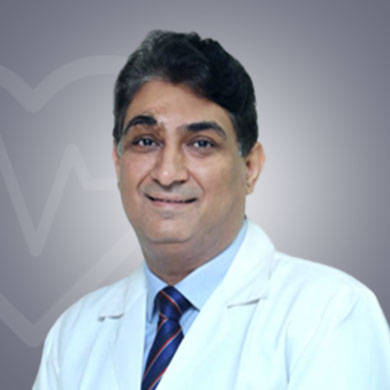
Ajay Kaul
Dr. Ajay Kaul

Delhi, India

38 Years of experience

USD50 for Video Consultation

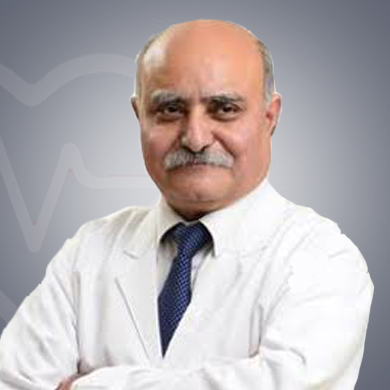
Aashish Chaudhry
Dr. Aashish Chaudhry

Delhi, India

16 Years of experience

USD32 for Video Consultation

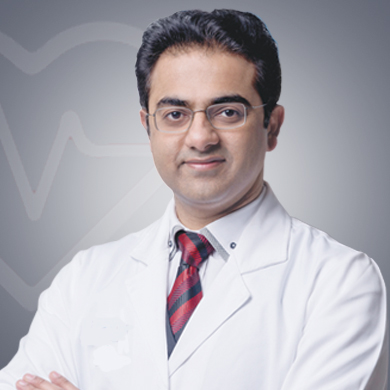
Puneet Girdhar
Dr. Puneet Girdhar

Delhi, India

18 Years of experience

USD50 for Video Consultation

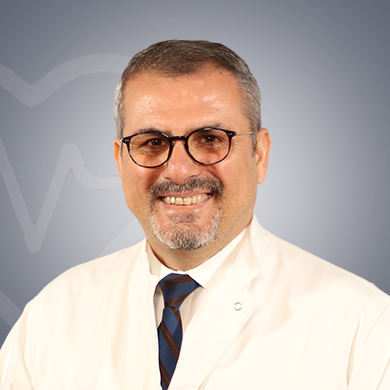
Erdal Karaoz
Dr. Erdal Karaoz

Istanbul, Turkey

34 Years of experience

USD240 for Video Consultation

Top Hospitals Partner

Other Resources