Top 18 Frequently Asked Questions (FAQ) for Stem Cell Therapy
Published: Mar 27, 2024
Updated: Mar 06, 2026

Published: Mar 27, 2024
Updated: Mar 06, 2026
Stem cell therapy, or regenerative medicine, encompasses the use of stem cells for the body's natural repair mechanisms to address damaged or dysfunctional tissue. By utilizing stem cells or their derivatives, this innovative approach offers an alternative to organ transplantation, overcoming limitations associated with donor organs.
Stem cells are primarily sourced from four main categories:
Different types of stem cell therapy are:
The potential donors are:
Yes, stem cell therapy can potentially treat congenital birth defects, especially those involving bone, blood, and some neural tissue disorders. The effectiveness and feasibility depend on the specific type and severity of the defect, as well as advancements in stem cell research and technology.
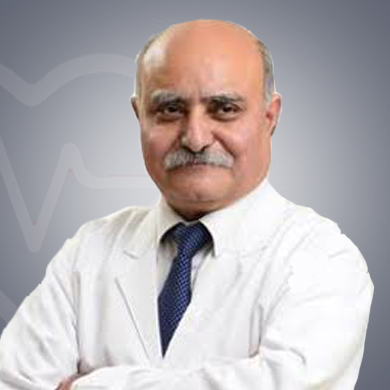
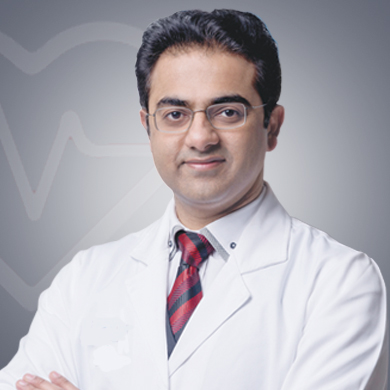
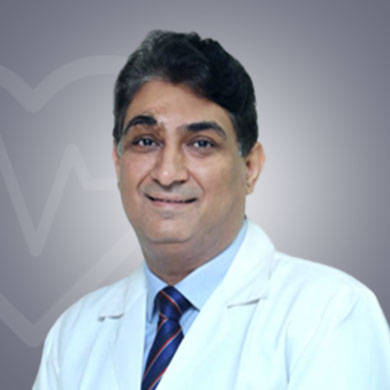
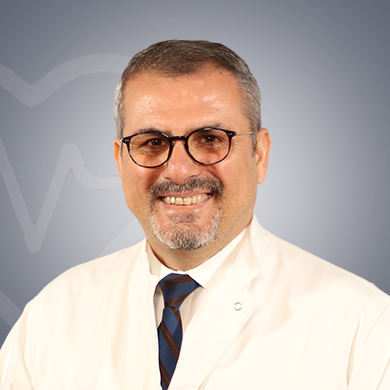
The top renowned doctors for stem cell therapy are: In India
In the United Arab Emirates
In Turkey
In the United Kingdom
In Thailand
The success rate of stem cell therapy can be influenced by various factors, including the source of the stem cells and the specific condition being treated. While some studies suggest higher success rates with certain types of stem cells, such as those derived from bone marrow or umbilical cord blood, the effectiveness of treatment can vary from person to person. It's essential to consult with a qualified healthcare provider to determine the most suitable treatment approach and understand the potential success rate based on individual circumstances.

Talk to Trusted Stem Cell Therapy Specialists
Browse verified stem cell doctors and top hospitals across India, Turkey, UAE, UK, and Thailand to choose the right specialist for your condition.
Compare treatment pricing, inclusions, and care pathways—then shortlist the best program based on your diagnosis, destination, and recovery needs.

Trusted by 100000+ patients and leading medical experts.

Fauzia Zeb is a medical and scientific content writer with a strong background in pharmaceutical science, having earned B.Pharm and M.Pharm degrees from renowned institutions like MIT and Jamia Hamdard University. With her extensive knowledge of medical science, she excels in communicating innovative concepts clearly and effectively through blog posts and articles, ensuring accessibility to the target audience.

Dr. Vishwas Kaushik, an accomplished Belgorod State University graduate with an MBBS, is known for his impactful contributions to healthcare. Driven by a passion for global well-being, he seamlessly led domestic operations at VMV Group of Companies and orchestrated success at Clear Medi Cancer Centre. His adept team management and operational skills have positioned him as a luminary in healthcare tourism, shaping a future where compassionate, world-class medical care knows no boundaries.

Delhi, India

Istanbul, Turkey

Istanbul, Turkey

Istanbul, Turkey
 Active


.jpg)