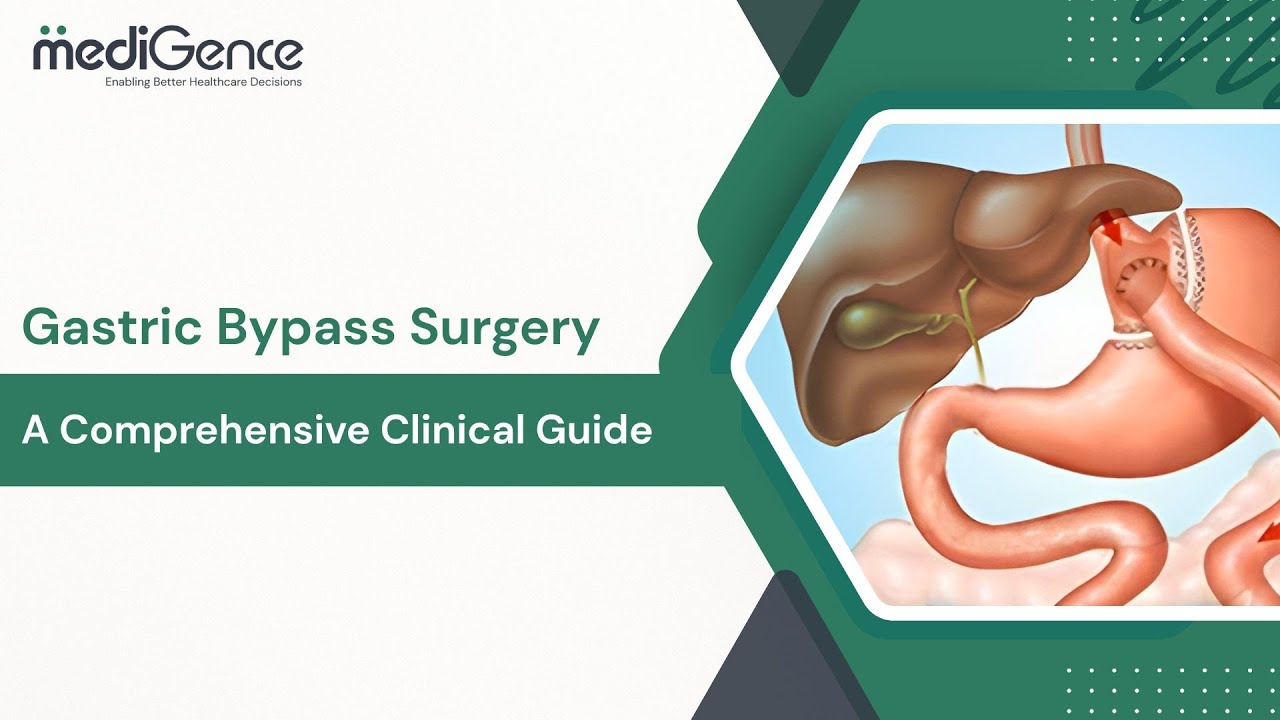
Gastric Bypass in India


Aakash Healthcare Super Speciality Hospital, Delhi, India
Hospital Price
USD 6600Our Price
USD 5500
Fortis Hospital, Shalimar Bagh, Delhi, India
Hospital Price
USD 9500Our Price
USD 9000
Pushpawati Singhania Research Institute, Delhi, India
Hospital Price
USD 7000Our Price
USD 6500
| Value Added Benefits | By Hospital | By MediGence | |
|---|---|---|---|
Guaranteed Treatment Confirmation | |||
Airport Transfers | |||
Exclusive Benefits and Savings | |||
Free Teleconsultation | |||
End-to-End Medical Travel Assistance | |||
Priority Appointments | |||
Care Packages for Recovery | |||
24/7 Patient Care and Medical Assistance | |||
Transparency & Clear Pricing |

Canada

Nigeria

United Kingdom
A. Gastric bypass is generally highly effective in producing weight loss. Most of the patients exhibit meaningful and long-term weight loss after surgery. On Average:
Initial weight loss: Most patients lose about 30 to 50 percent of excess weight in six months.
Long-term weight loss: Many achieve the loss of 60-70% of excess weight within one to two years.
Sustained Outcomes: Most patients retain significant percentages of the weight they lost, particularly if they continue with lifestyle changes and follow-up care.
It may work because the patient wants to follow dietary guidelines, exercises were previously not exercised and has a metabolism suited to successful weight loss. Gastric bypass is associated with very significant weight loss, but this approach should be complemented by other lifestyle modifications and regular medical monitoring.
A. Before you feel ready to return to work, you'll probably need to heal for a day in the hospital and then a few weeks at home. Recovering from physical activity may take six weeks, and returning to your normal routine of eating can take up to twelve weeks.
It may take as long as six weeks to fully regain your diet and intensify those exercising or activities. Four to six weeks following your treatment, your surgeon could tighten the band around your stomach.
A. As part of post-operative care for gastric bypass surgery, nutritional counseling is included in the package during her stay in the hospital. Such counseling gives a patient guidance on proper dietary needs to ensure long-term lifestyle changes.
Common Features of Nutritional Counseling
Pre-Operation Education: Patients may be educated concerning some necessary changes that can be done before diet and even before they undergo surgery.
Post-Surgery Advice: When patients undergo surgery, individual dietary recommendations are provided to them to help in recovery and weight loss processes.
Planning of meals: A dietitian might assist a patient in meal planning to achieve any nutritional objectives.
Follow-up sessions: A few follow-up sessions can be offered to allow for an understanding and tracking of how the patient's progress is changing over time.
A. Results of gastric bypass surgery for the long term and various patients may vary. Yet most of the patients treated will highly benefit with minimum side effects. Common side effects include:
permanent weight loss: Many of the patients have kept most of the lost weight and, therefore maintained ideal body mass index.
Health benefits: Many exhibit improvement or amelioration of obesity-related health conditions, such as type 2 diabetes mellitus, hypertension, and sleep apnea.
Quality of Life: Many observed improvements in physical mobility, mental health, and quality of life.
Potential Side Effects:
Nutrient Deficiencies: Some individuals are more susceptible to deficiencies in vitamins and minerals (for example, B12, iron, calcium) that become lifelong supplement requirements.
Dumping Syndrome: Other people will develop dumping syndrome, or their food empties the stomach too quickly for the small intestine, possibly producing nausea, diarrhea, and many other symptoms.
Weight Recurrence: Some can retain a significant amount of the weight lost but, due to a lack of complete adherence to dietary requirements and lifestyle changes, will regain some of it.
Gallstones: People who lose weight rapidly have a higher probability of gallstone formation.
Follow-up Care
Continued visits to healthcare providers: These include monitoring one's weight, nutritional status, and health so that any issues can be detected.
A. While the annual number of procedures varies, more than 20,000 to 30,000 gastric bypass surgeries are estimated to be carried out in India every year. The figure is growing rapidly with increasing awareness regarding obesity as well as other health issues and better medical facilities. The majority of this annual volume comes from major cities with specialized bariatric centers.
A. Dieting plays a very important role in recovery and long-term success after gastric bypass surgery. Important Guidelines:
Immediate Postoperative Phase (First Days of Surgery): Clear Liquids:
Clear liquids should be used to keep the patient hydrated, such as clear broth, water, and juices.
Full Liquids: Gradually introduce full liquids, which can contain protein shakes and pureed soups.
Transitioning to Soft Foods 2-4 weeks after surgery
Soft Foods: Gradually give in to soft foods, such as yogurt, mashed potatoes, and well-cooked vegetables.
Pureed Proteins: You will have pureed meats, eggs, and cottage cheese.
Introductions to solid foods (1-2 months post-surgery):
Proteins with some good amount of lean flesh: chicken, turkey, fish, eggs, and plant-based proteins: beans, lentils
Fruits and Vegetables: To begin introducing some fruits and non-starchy vegetables, preferably cooked or soft.
Nutritional Emphasis:
High Protein: 60-80 grams of protein a day to heal and keep muscle.
Balanced Diet: Include whole grains, healthy fats (avocado, nuts), and plenty of fiber.
Foods to Avoid:
Sugary Foods: Avoid foods containing lots of sugar and sugar-laden drinks that will be dumped.
High-Fat and Fried Foods: Limit these as they are hard to digest and may be uncomfortable to eat.
Hydration:
Fluids: Intake of fluids, including water and herbal teas, but avoid drinking during meals to prevent fullness.
Mindful Eating Practices:
Small Portions: Take in small portions, small, frequent meals, 4-6 times a day.
Chew Thoroughly: Chew food well to aid digestion and prevent blockages.
Follow-ups:
Consult a dietitian: Consultation with a dietitian is required to ensure proper nutritional care and appropriate alterations.
Adjustments: These are necessary to make the recovery smoother, avoid complications, and achieve long-term post-surgical weight loss.
A. Psychological support is provided during the hospital stay. Many facilities do offer psychological support as part of the surgery package for patients who are to have gastric bypasses. It would help and assist a patient who has to adjust to an incredibly dramatic lifestyle and emotional changes following their surgery.