Deep Brain Stimulation in India


Amrita Hospital, Faridabad, India
Hospital Price
USD 34000Our Price
USD 33000
Aakash Healthcare Super Speciality Hospital, Delhi, India
Hospital Price
USD 31200Our Price
USD 26000
Fortis Hospital, Shalimar Bagh, Delhi, India
Hospital Price
USD 30000Our Price
USD 27500
Artemis Health Institute, Gurgaon, India
Hospital Price
USD 21000Our Price
USD 20000
Global Health City, Chennai, India
Hospital Price
USD 38000Our Price
USD 36000| Value Added Benefits | By Hospital | By MediGence | |
|---|---|---|---|
Guaranteed Treatment Confirmation | |||
Airport Transfers | |||
Exclusive Benefits and Savings | |||
Free Teleconsultation | |||
End-to-End Medical Travel Assistance | |||
Priority Appointments | |||
Care Packages for Recovery | |||
24/7 Patient Care and Medical Assistance | |||
Transparency & Clear Pricing |
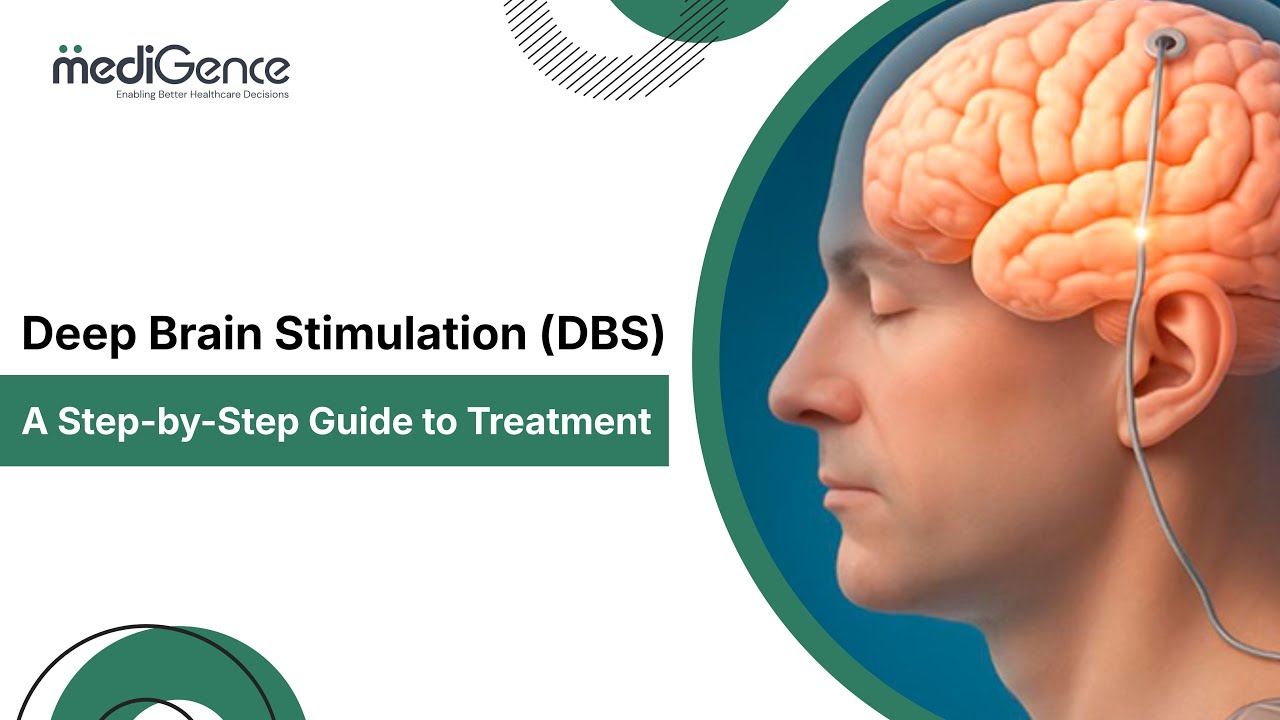
Deep brain stimulation (DBS) is a medical procedure during which a little electrical current is administered to a particular region of your brain. This current's electricity activates the brain cells and can help in treating many neurological conditions. The current travels to your brain via one or more wires connected to a small implanted device placed beneath your skin close to your collarbone.
Australia

A. Deep brain stimulation is the neurosurgical intervention in the treatment of movement abnormalities caused by essential tremor, Parkinson's disease (PD), dystonia, and other neurological disorders, where implanted electrodes come to work with electrical stimulation.
The DBS can be used by doctors for movement disorders or neuropsychiatric diseases if the side effects of medication in the patient interfere with everyday performances or the medications have become ineffective for the patient.
A. It takes four to six hours to implant the electrodes in the brain for stage 1. Usually, the procedure takes three to four hours.
A. Yes, as long as the patient remains admitted to the hospital, post-surgery follow-up appointments are included in the package. Following the release, the patient will be responsible for paying any additional expenses on their own. After Deep Brain Stimulation surgery, follow-up treatment is crucial to ensuring a proper recovery and addressing any issues.
A. In India, whether you can be operated on for DBS surgery as an outpatient depends upon your particular health condition and the rules followed by the hospital. In most cases, DBS is a complex surgery that requires an overnight stay for observation post-surgery. The best thing would be to ask your neurologist and the surgical team about which approach may prove to be the best one for you.
A. Many advantages of DBS surgery in India are there.
In terms of cost-effectiveness, DBS surgery is certainly cheaper in India as compared to that in most of the Western world. Therefore, it can be afforded by a good number of patients.
Expertise: India has an enormous number of experienced neurosurgeons and neurologists who have done DBS surgeries. These surgeons are frequently trained in some of the best medical institutions across the globe, so they are well-assured with their work.
Advanced facilities: many hospitals in India possess up-to-date technology and infrastructure needed for performing neurosurgery.
Comprehensive care: It is the norm for most Indian medical care systems, either hospital-based or otherwise-including pre-admission preparation, postoperative care, and rehabilitation.
Waiting time: Patients wait for relatively short periods before undergoing surgery in this country than in some other countries, which have long queues in health facilities.
Going to the hospital: Some hospitals, especially non-governmental hospitals are more personalized with regard to the care given to patients and their families which can enhance the experience.
Multilingual Services: The large majority of Indian healthcare providers are multilingual, making most communication problems experienced by international patients relatively easy to resolve.
A. After DBS surgery, the device will be programmed in a process typically best described as follows:
Patients will then return to the clinic a few weeks after this surgery for the first visit since the treatment. After this session, then, the healthcare team can assess whether the patient has responded well to the implanted device and then make appropriate adjustments accordingly.
In practice, a programmer, which is a small remote control shape, is used to adjust the settings of the DBS device. The programmer communicates with the implanted device wirelessly.
Parameters and Adjustments: The clinician can make adjustments as follows:
Stimulation intensity, frequency, and pulse width can be adjusted; these can potentially maximize the efficacy while minimizing side effects.
Monitoring: The patient is monitored in the programming sessions as a measure of how the changes are affecting his or her symptoms. This may include monitoring movement, mood, and side effects, for example.
Follow-up Sessions: Programming usually occurs over more than one session. Patients need multiple follow-ups to adjust settings in keeping with their improvement and the changes brought about in their symptoms.
Patient Feedback: This is also crucial during programming. The patients can provide some feedback about the improvement in symptoms and side effects if there are any. This can assist the clinician in promptly making the necessary adjustments. This process may take several weeks or even months to find the optimal settings for each individual.
A. The package does include full physiotherapy services for the length of time the patient is hospitalized following DBS surgery. Rehabilitation is a crucial step in the healing process after DBS surgery to help recover function and movement. However, the patient will be responsible for covering the cost of any additional rehabilitation after being discharged from the hospital. Maintaining this type of rehabilitation is essential to achieving the best recovery outcomes.