Hemorrhoids Surgery in India

Sarvodaya Hospital and Research Centre, Faridabad, India
Hospital Price
USD 3000Our Price
USD 2500
Aakash Healthcare Super Speciality Hospital, Delhi, India
Hospital Price
USD 2520Our Price
USD 2100| Value Added Benefits | By Hospital | By MediGence | |
|---|---|---|---|
Guaranteed Treatment Confirmation | |||
Airport Transfers | |||
Exclusive Benefits and Savings | |||
Free Teleconsultation | |||
End-to-End Medical Travel Assistance | |||
Priority Appointments | |||
Care Packages for Recovery | |||
24/7 Patient Care and Medical Assistance | |||
Transparency & Clear Pricing |
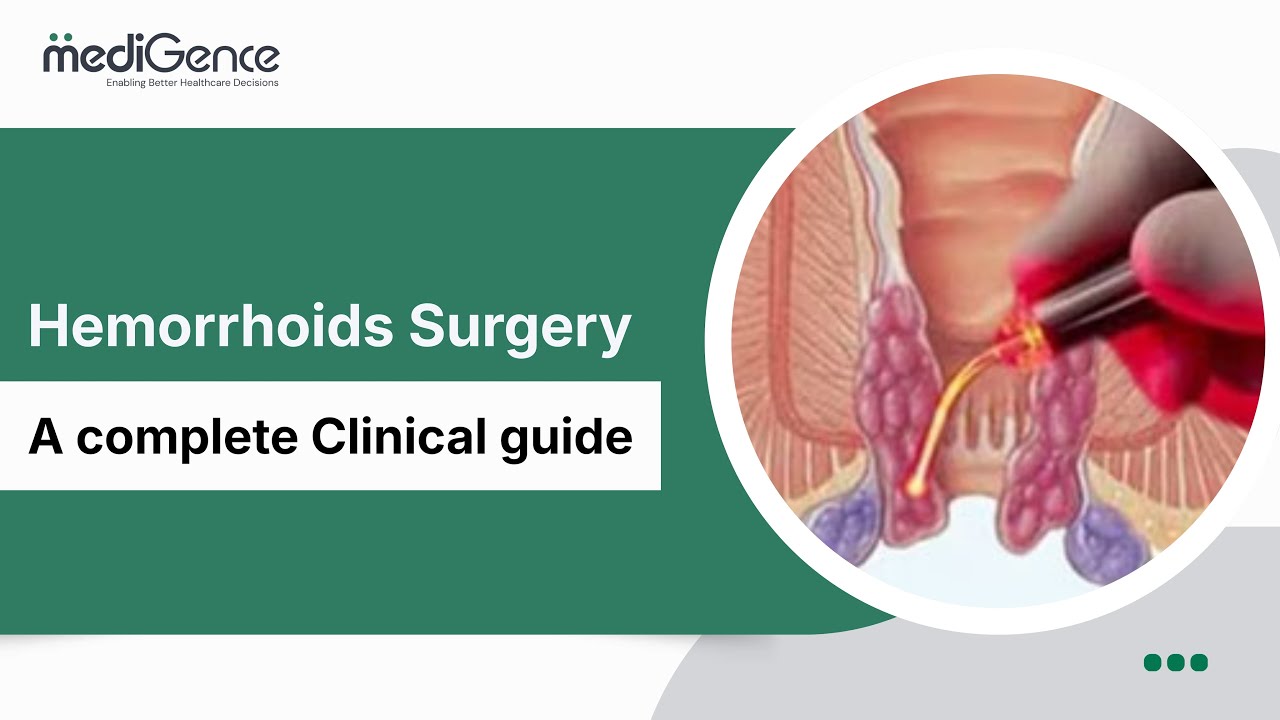
A. Swollen veins surrounding the anus are known as hemorrhoids. Internal hemorrhoids or external hemorrhoids are two possible locations for them.
Bleeding is the most common symptom of hemorrhoids, although they are rarely problematic. For example, your hemorrhoids can be surgically removed if they bleed considerably, are painful, or are large, hard, and sore. Your surgeon's office or the hospital operating room may serve as locations for this surgery. Unless you have specific complications, you will probably be treated on an outpatient basis, returning home on the same day. Your symptoms and the location and size of the hemorrhoid will determine what kind of surgery you need.
A. Hemorrhoid surgeries can be classified as more complex inpatient surgeries or as easier, less invasive, outpatient treatments that don't require anesthesia.
Your doctor will decide which procedure is appropriate for you and whether you need surgery based on the severity of your symptoms and the implications.
Several grades are used for determining the severity of hemorrhoids:
Anesthesia-related operations
You will require anesthesia for these types of surgeries, therefore you will need to visit a hospital.
Hemorrhoids in Grades 3–4 that are not responding to nonsurgical care, big external hemorrhoids, prolapsed internal hemorrhoids, or any combination of these are treated with a hemorrhoidectomy.
The huge hemorrhoids will be treated by your surgeon once the anesthesia wears off. Sometimes hemorrhoidopexy is called "stapling." It usually involves general, regional, or local anesthetic and is performed as a same-day surgery in a hospital.
A. Normal healing time for this condition is two to four weeks. Most people note that, by the end of the second week, all symptoms have disappeared. You will likely be required to do manual activity from hard work exercises or work involving the use of hands for six to eight weeks. In case complications occur, such as infection or heavy bleeding, your recovery time will be longer than usual. You will be directed by your healthcare provider on how to attend to your wound to avoid these complications.
A. Surgical procedure of hemorrhoids is known as hemorrhoidectomy. The medical professional does this by cutting small incisions around the anus to remove them.
This may be done either with local anesthesia which numbs the area to be operated on and maintains you conscious but calm, or under general anesthesia which puts you asleep. After an outpatient hemorrhoidectomy, you can typically return home the same day.
In a new surgery called hemorrhoidal artery ligation and recto anal repair (HAL-RAR), a tiny Doppler sensor is placed in the anus to identify the arteries providing blood to hemorrhoids.
A. Approximately one to two days is the average hospital stay for hemorrhoid surgery and a day's stay in a hotel is included in the package.
You can typically return home the same day after an outpatient surgical procedure (such as a rubber band ligation or some minimally invasive treatments).
Even though many people recover from surgical procedures (like hemorrhoids) in less than a day, some may need to spend the night in the hospital.
your consultant physician will consult based on your medical condition about your stay in the hospital as that may vary on your situation and complications.
A. Recovery from a hemorrhoidectomy typically takes up to four to eight weeks, depending on one's general health and range of mobility, aside from the size, number, and severity of the hemorrhoids you have.
You should take it easy during the first week or two, staying at home and avoiding physical-demanding duties such as heavy lifting.
A. Yes, after surgery some dietary alterations are required such as Fibre, vitamins, and minerals are present in fresh fruits and their skins. Fresh fruit is the healthiest thing to eat post-piling surgery and could even be very healthy. Apples, grapes, bananas, and oranges are a few of them because they may help with stomach problems.
Whole grains: The best foods to eat after pile surgery include whole grains like brown rice, multigrain bread, bran cereals, and oatmeal. These meals are high in fiber, which helps to facilitate easy bowel movements.
Sprouts: Sprouts are high in proteins, fiber, calcium, and vitamin C. Because sprouts are high in nutrients, they can be the most beneficial food to eat after piling surgery. Consuming a cup of boiled or steam-cooked sprouts daily may help in controlling intestinal pain. The symptoms of piles can also get worse if you eat raw sprouts.
Curd or buttermilk: Curd or buttermilk is probably one of the healthiest things to consume after pile surgery since it is rich in probiotics, which help in improving the gut and feeding healthy germs in the gut. Regular addition of curd or buttermilk to your diet may help diminish the pile's symptoms and improve your gut health and immunity.
Water: This is perhaps the most important to consider in this diet. It is a valuable source that helps in nutrient absorption, loosening the stools, breaking up food, and preventing piles. For the most effective results, drink three to four liters of water a day after consuming the best meals for piles after surgery.