
Dr. Somar Darweesh
Burjeel Hospital for Advanced Surgery Dubai, United Arab Emirates, Dubai
Ophthalmologist • 13 years experience
ArabicOur Platform Features
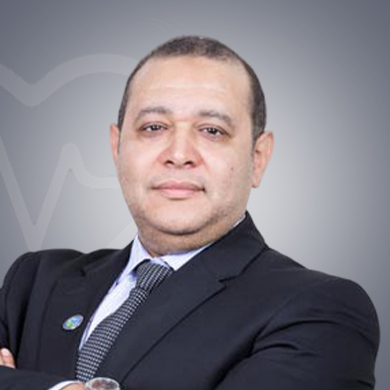
Dr. Mohamed Ramadan Mahmoud
Zulekha Hospital Sharjah, United Arab Emirates, Sharjah
Ophthalmologist • 18 years experience
Arabic EnglishMohamed Ramadan Mahmoud, MBBCH, is a Ophthalmologist based in Sharjah, United Arab Emirates. The doctor has 18 years of professional experience. Mohamed Ramadan Mahmoud areas of expertise include Astigmatism, Fuchs' Dystrophy, Age-Related Macular Degeneration (AMD), Correction of Myopia, Hyperopia.
Work Experiences
- Lecturer of Ophthalmology at Ain Shams University Cairo, Egypt
- Consultant Cornea & Refractive Surgeon in Egypt Eye Center, Cairo, Egypt
Dr. Nidhi Panwar
NMC Royal Hospital Sharjah, United Arab Emirates, Sharjah
Ophthalmologist • 20 years experience
Hindi EnglishNidhi Panwar, MBBS AIIMS, New Delhi, India, 2003, is a Ophthalmologist based in Sharjah, United Arab Emirates. The doctor has 20 years of professional experience. Nidhi Panwar areas of expertise include Correction of Myopia, Diabetic Retinopathy. Retinal Detachment. Vitreous Hemorrhage., Keratoconus, Age-Related Macular Degeneration (AMD), Astigmatism.
Work Experiences
- Consultant Ophthalmologist in Sir Ganga Ram Hospital, New Delhi, India
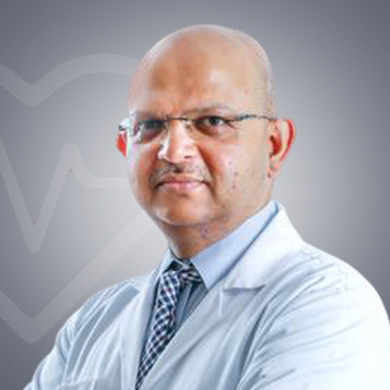
Dr. Sandip Mitra
NMC Royal Hospital Sharjah, United Arab Emirates, Sharjah
Ophthalmologist • 20 years experience
Hindi EnglishSandip Mitra, MBBS - Jawaharlal Institute of Post Graduate Medical Education & Research in India, is a Ophthalmologist based in Sharjah, United Arab Emirates. The doctor has 20 years of professional experience. Sandip Mitra areas of expertise include Diabetic Retinopathy. Retinal Detachment. Vitreous Hemorrhage., Keratoconus, Corneal Injury, Astigmatism, Age-Related Macular Degeneration (AMD).
Work Experiences
- Present, Consultant and Head of the Department of Ophthalmology at Al Zahra Hospital Sharjah
- Head of the Department of the Sultan Qaboos University Hospital in Oman
Do you know?
Using MediGence’s Telemedicine Platform, you can book a personalized video consultation with renowned doctors around the world

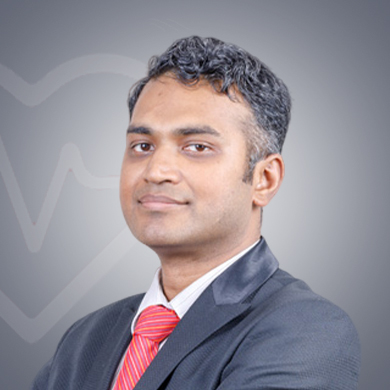
Dr. Kapil Anant Das
Thumbay University Hospital, Ajman, United Arab Emirates, Ajman
Ophthalmologist • 14 years experience
Hindi EnglishKapil Anant Das, F.C.P.S Ophthalmology, is a Ophthalmologist based in Sharjah, United Arab Emirates. The doctor has 14 years of professional experience. Kapil Anant Das areas of expertise include Corneal Injury, Age-Related Macular Degeneration (AMD), Correction of Myopia, Astigmatism, Keratoconus.
Work Experiences
- Medical Officer I/C of PHL Madakhed Dist Buldhana, India
- Vitreo - Retina, Fellow - Retina foundation Ahmadabad, India
- Associate Prof. Department of Ophthalmology - BMC Medical Colleges in Mumbai, India
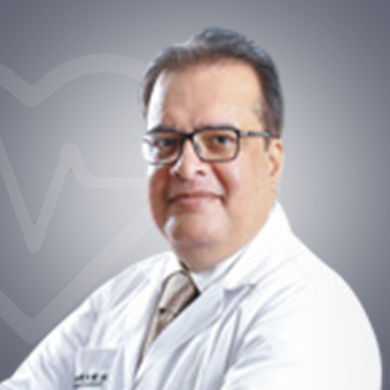
Dr. Zia Ur Rehman Khan
NMC Royal Hospital Sharjah, United Arab Emirates, Sharjah
Ophthalmologist • 32 years experience
Arabic EnglishZia Ur Rehman Khan, Graduated from Allama Iqbal Medical College, Lahore. , is a Ophthalmologist based in Sharjah, United Arab Emirates. The doctor has 32 years of professional experience. Zia Ur Rehman Khan areas of expertise include Keratoconus, Fuchs' Dystrophy, Astigmatism, Corneal Injury, Correction of Myopia.
Work Experiences
- Having attained his basic and specialist training in a recognized specialist registrar from prestigious institutes in London and Bath, he became eligible to begin work as a consultant in the NHS, UK.
- In 2007, he returned to the United Kingdom to further his knowledge and experience and worked as a Senior Consultant in a substantive position in Rotherham and Barnsley Hospital NHS Foundation trusts.
- In 2014, Dr. Zia returned to the United Arab Emirates to continue working in Al Zahra Hospital.
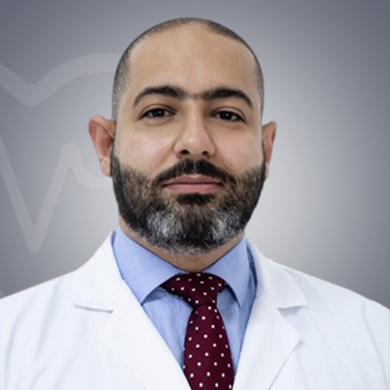
Dr. Ahmed Atef Abdelhamid Shabana
NMC Royal Hospital Sharjah, United Arab Emirates, Sharjah
Ophthalmologist • 17 years experience
Arabic EnglishAhmed Atef Abdelhamid Shabana, MBBS from Cairo University, Egypt, is a Ophthalmologist based in Sharjah, United Arab Emirates. The doctor has 17 years of professional experience. Ahmed Atef Abdelhamid Shabana areas of expertise include Astigmatism, Fuchs' Dystrophy, Diabetic Retinopathy. Retinal Detachment. Vitreous Hemorrhage., Correction of Myopia, Corneal Injury.
Work Experiences
- Specialist in Microsurgery Institute in Barcelona,Spain