Your Notifications
All done, no notifications

33 Specialists

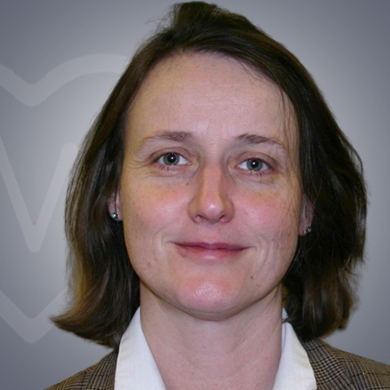
Dr. Fiona Lofts

Radiation oncologist

, London, United Kingdom

41 Years of experience

Speaks: English


Dr. Fiona Lofts is a specialized Medical Oncologist in United Kingdom. And one of the most sought after medical specialists in London, United Kingdom. The doctor has over of experience and is associated with Cancer Centre London.

Association and Memberships Dr. Fiona Lofts is part of:

  • Member, Royal College of Physicians (1987)
  • Fellow, Royal College of Physicians(2001)
  • Member, British Association for Cancer Research
  • Member, European Association for Cancer Research
  • Member, European Society of Medical Oncology

Certifications :

  • Lofts qualified in 1983 from the Westminster Medical School, University of London. She obtained a BSc in physiology in 1980 and PhD in the molecular biology of the HER-2 onco-protein in 1993.

Qualifications :

  • BSc
  • MBBS
  • PhD
  • FRCP

Hospital Address :

Cancer Centre London, Parkside, London, UK
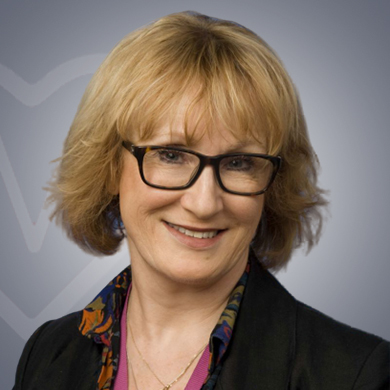
Dr. Mary O Brien

Radiation oncologist

, London, United Kingdom

of experience

Speaks: English


Dr. Mary O Brien is a specialized Medical Oncologist in United Kingdom. And one of the most sought after medical specialists in London, United Kingdom. The doctor has over of experience and is associated with Cancer Centre London.

Association and Memberships Dr. Mary O Brien is part of:

  • Member, British Association for Cancer Research

Qualifications :

  • MD

Hospital Address :

Cancer Centre London, Parkside, London, UK
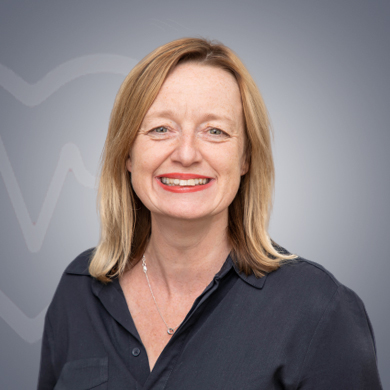
Dr. Lisa Pickering

Radiation oncologist

, London, United Kingdom

29 Years of experience

Speaks: English


Dr. Lisa Pickering is a specialized Medical Oncologist in United Kingdom. And one of the most sought after medical specialists in London, United Kingdom. The doctor has over of experience and is associated with Cancer Centre London.

Qualifications :

  • MBBS
  • MRCP
  • PhD
  • CCT

Hospital Address :

Cancer Centre London, Parkside, London, UK

Do you know?

Using MediGence’s Telemedicine Platform, you can book a personalized video consultation with renowned doctors around the world

Explore Telemedicine Platform

Featured Telemedicine Doctors

Frequently Asked Questions
Who are the top Medical Oncologists in London, United Kingdom offering online consultation?

Listed below are some of the top Medical Oncologists available for online consultation in London, United Kingdom:

Which are some of the best hospitals Medical Oncologists in London, United Kingdom are associated with?

Following are some of the best clinics in London, United Kingdom with whom Medical Oncologists are associated with:

Which are some of the conditions treated by Medical Oncologist in London, United Kingdom?

Check out the conditions performed by medical oncologists in London, United Kingdom:

  • Breast and Prostate Cancer
  • Colon Cancer
  • Brain Cancers- Astrocytoma
  • Pancreatic Cancer
  • Cervical Cancer
  • Kidney Cancer
  • Ovarian Cancer
  • Uterine cancer
  • Stomach Cancer
  • Certain Types of Cancer that have been Resistant to Chemotherapy and Radiation Treatment (e.g. Melanoma)
  • Skin Cancer
  • Oligodendrogliomas
  • Larynx Cancer
  • Metastatic Cancer
  • Lung Cancer
  • Leukemia
  • Breast Cancer
  • Ependymomas
  • Primitive Neuroectodermal Tumors
  • Lymphoma
  • Mixed Gliomas
  • Prostate Cancer
  • Oral or Mouth Cancer
  • Meningiomas
  • Colorectal or Colon Cancer
  • Brain Cancer
  • Rectal Cancer
Who is a Medical Oncologist?

A medical oncologist has training in diagnosing and treating cancer using hormonal therapy, chemotherapy, biological therapy, and targeted therapy. A medical oncologist often is the key healthcare professional for someone who has cancer. They also give supportive care and might coordinate treatment suggested by other specialists.

A medical oncologist strives to give cancer patients effective treatment results. This medical professional also provides counseling to patients as well as their families. Medical oncologists also participate in clinical research. Working with a dedicated multidisciplinary team is part of a medical oncologist’s job. It involves advising on all the aspects of cancer treatment.

Overseeing and scheduling the treatments are part of a medical oncologist’s role. A medical oncologist can also treat the complications that a patient may face after each treatment session. A medical oncologist also supports and guides the patient even after the cancer treatment is done. They have a caring relationship with patients.

What are the qualifications of a Medical Oncologist?

Oncology is the branch of medical science that deals with the study, diagnosis, and treatment of cancer. A person who wants to become a medical oncologist has to first clear a medical entrance test. Then the student needs to complete a five-and-half-year MBBS course. This is the common course for all doctors irrespective of their specialization.

After completing the MBBS course you will have to complete the MD course. After this, the aspiring doctor needs to apply for the OCTT course or Oncology Clinical Trials Training. The total duration of this course is one year. After graduating from medical school, future medical oncologists must complete the residency program, especially, in general surgery or internal medicine followed by a fellowship in their preferred oncology subfield.

What conditions do Medical Oncologists treat?

A medical oncologist uses various methods to treat cancer, such as chemotherapy, hormonal therapy, biological therapy, and targeted therapy. Chemotherapy uses powerful chemicals to destroy fast-growing cells in the body. It is generally used to treat cancer, as cancer cells grow and multiply very quickly than normal cells in the body. Hormonal therapy blocks, adds, or removes hormones to either slow or stop the overall growth of cancer cells that require hormones to grow. Biological therapy is used to stimulate or regain the ability of the immune system.

Below are some conditions treated by a medical oncologist:

  • Leukemia
  • Lymphoma
  • Hodgkin's disease
  • Multiple myeloma, sarcoma
  • Breast, lung, and ovarian cancers
  • Prostate cancer
  • Endometrial cancer
  • Adrenal cancer
  • Skin Cancer
  • Oligodendrogliomas
  • Larynx Cancer
  • Metastatic Cancer
  • Ependymomas
  • Primitive Neuroectodermal Tumors
  • Lymphoma
  • Mixed Gliomas
  • Oral or Mouth Cancer
  • Meningiomas
  • Brain Cancer
  • Rectal Cancer
What diagnostic tests are required by Medical Oncologist?

Effective diagnostic tests are used to detect or treat disease, closely monitor the disease process, and evaluate the effectiveness of the treatment. Diagnostic procedures for cancer might include imaging, laboratory tests (such as tests for tumor markers), endoscopic examination, tumor biopsy, genetic testing, or surgery.

A medical oncologist may order the below-listed diagnostic tests to detect cancer:

  • X-ray
  • Computed tomography (CT) scan
  • Computed axial tomography (CAT) scan
  • Bone scan
  • Lymphangiogram (LAG)
  • Mammogram
  • Reflection imaging
  • Ultrasound
  • Biopsy
When should you visit a Medical Oncologist?

You may need to see a medical oncologist after you have been diagnosed with cancer. This is generally the first step of your cancer treatment journey.

The medical oncologist can help you understand your diagnosis the complete timeline of cancer treatment. You would also want to consult a medical oncologist to clarify the questions you might have.

Consult a medical oncologist if you experience the below signs:

  • Urinary changes
  • Rectal bleeding
  • Bowel changes
  • Testicular changes
  • Vaginal bleeding between periods
  • Breast changes
  • Fatigue or extreme tiredness
  • Eating problems
  • Swelling or lumps in the body
  • Pain that doesn’t go away or gets worse
  • Skin changes
  • Persistent cough or hoarseness
  • Unusual bleeding and bruising
  • Change in bowel habits
  • Bladder changes
  • Fever or nights sweat
  • Headache
  • Vision/hearing problems
  • Mouth changes
What can you expect from your first visit with a Medical Oncologist?

A medical oncologist will assess the patient by observation. The doctor may ask the patient a few questions. They will ask about the patient’s medical as well as family history. Patients can also show a lump and talk about pain. Weight loss is also a common presentation.

The medical oncologist will order a CT scan, X-ray, biopsy, and blood tests. For a biopsy, the oncologist will take a sample of the tumor. A pathologist will then observe the sample tissue. Microscopic and biochemical features will find the type of cancer.

The medical oncologist will discuss other health problems the patient is facing and relay the diagnosis. The oncologist will also discuss the treatment plan.

Which are the most common procedures performed by a Medical Oncologist?

Some common procedures performed by a medical oncologist are:

  • CAR T therapy
  • Chemotherapy
  • Hormone therapy
  • Immunotherapy
  • Tissue biopsy
  • Targeted therapy
  • Bone marrow aspirate or biopsy

FAQs related to United Kingdom