Your Notifications
All done, no notifications

2 Specialists

Dr. Sombat Muengtaweepongsa

Neurologist

, Bangkok, Thailand

28 Years of experience

Speaks: Thai , English


Dr. Sombat Muengtaweepongsa is a specialized Neurologist in Thailand. And one of the most sought after medical specialists in Bangkok, Thailand. The doctor has over 28 Years of experience and is associated with Phyathai 2 International Hospital.

Association and Memberships Dr. Sombat Muengtaweepongsa is part of:

  • American Stroke Association
  • American Academy of Neurology

Certifications :

  • Diploma of The Thai Board of Neurology, 1999
  • Academic Rank: Associate Professor, Thammasat University

Qualifications :

  • MD Faculty of Medicine Ramathibodi Hospital, Mahidol University, Thailand, 1992

Hospital Address :

Phyathai 2 Hospital, Phahonyothin Road, Phaya Thai, Thailand
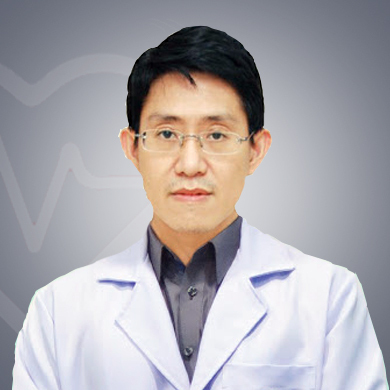
Dr. Pratarn Nantaaree

Neurologist

, Bangkok, Thailand

21 Years of experience

Speaks: Thai , English


Dr. Pratarn Nantaaree is a specialized Neurologist in Thailand. And one of the most sought after medical specialists in Bangkok, Thailand. The doctor has over 18 Years of experience and is associated with Bangpakok 9 International Hospital.

Qualifications :

  • M.D. Faculty of Medicine Siriraj Hospital Mahidol University
  • Diploma of Thai Board of Neurosurgery Institute of Neurology, Medical Council
  • Neuroscopic Third Ventriculostomy in IVH

Hospital Address :

Bangpakok 9 International Hospital, International Hospital, Rama II Road, Bang Mot, Chom Thong, Bangkok, Thailand

Medical Expertise of Dr. Pratarn Nantaaree

  • Dr. Pratarn is an expert of Neurology.
  • He has been trained to treat people with trauma to the brain and spine, aneurysms, blocked arteries, chronic low-back pain, birth defects, tumors in the brain and spinal cord, and peripheral nerve issues.
  • Dr. Pratarn is well-trained & board-certified in treating Neurological conditions
  • Dr. Pratarn is a highly skilled professional who has received training from a number of prestigious institutions.
  • Worked with renowned hospitals of Thailand such as Camilian Hospital, Piyavate Hospital, etc.
  • A number of research papers and case studies have been published by the specialist.
  • He is the author or co-author of numerous scientific papers and reports, as well as a participant in a variety of neurological studies

Online Neurologist Consultations in the Thailand

About Neurologist

A Neurologist is a doctor who helps in the diagnosis, treatment and management of the disorders of the nervous system, constituting central nervous system and peripheral nervous system. It includes the brain, spinal cord and nerves. The branch of medicine that deals with treating the disorders of the nervous system is called Neurology and the doctor of neurology is known as a neurologist. A Neurologist specializes in treating the disorders of the nervous system eg. epilepsy, migraine, multiple sclerosis, parkinson's disease, stroke etc.

Procedures Performed

  • Lumbar Puncture (also known as Spinal Tap)
  • Electromyography (EMG)
  • Tensilon Test
  • Electroencephalogram
  • Auditory brainstem implant
  • Awake brain surgery
  • Botox injections
  • Carotid angioplasty and stenting
  • Carotid endarterectomy
  • Concussion testing
  • Deep brain stimulation
  • Diaphragm pacing
  • Functional electrical stimulation
  • Locomotor training
  • Pediatric cervical spine surgery
  • Spinal fusion
  • Stereotactic radiosurgery

Top Neurologists in Thailand

DoctorAssociated Hospital
Dr. Pratarn NantaareeBangpakok 9 International Hospital, Bangkok
Dr. Sombat MuengtaweepongsaPhyathai 2 International Hospital, Bangkok

Reasons to avail Online Consultation with Neurologist in Thailand

A neurologist should be consulted if you have a neurological problem that is affecting your health and capacity to function. Finding the best possible specialist to help one get out of their position and provide relief from the symptoms that come with it is a natural result. Consultations can be held in person or via the internet. Virtual or online consultations are preferable to in-person advice because of the convenience and better management of available resources. To find the most skilled and experienced specialists for consultation and treatment, all that is required is a simple internet search. Thailand is one of the top healthcare destinations in the world, so there are plenty of reasons to book an online consultation with a nephrologist there. We've listed some of the more important ones here for your convenience.

  • Private medical organizations range in size from a single hospital to a network of professionally staffed hospitals scattered around the country, providing comprehensive healthcare coverage.
  • Anyone in Thailand should be able to find a hospital or clinic that suits their needs at a fair price, regardless of where they live. It is unsurprising that the country has long been a favorite destination for medical tourists.
  • With an average life expectancy of 77 years, Thais have a longer life expectancy than individuals in other Southeast Asian countries.
  • Neurologists in Thailand are not only technologically adept, but also multilingual and possess soft attributes such as empathy and care for their patients.
  • They have treated a wide range of brain and spine disorders, including Brain Cancer, Meningitis, Myelitis, Brain Stroke, Reye Syndrome, Epilepsy, Neurosyphilis, and Encephalitis.
  • They work with the best-trained and most experienced team members and are acknowledged for their ability to solve even the most difficult and critical problems.
  • Thailand's healthcare systems conform to the highest standards of care and service delivery, as well as the most up-to-date protocols.
  • The country's world-class facilities rival and frequently exceed the standards of many industrialized countries' hospitals, and you may often see a specialist with short wait periods.
  • Neurology as a specialty is growing leaps and bounds and is one of the biggest draws in the healthcare sector in Thailand.
  • Technology applications are a strength of the healthcare industry in the country and of the specialists whom you are availing the consultation from.
  • The experience of catering to the cosmopolitan patient base getting consultation and treatments in Thailand is a huge plus point in favor of the specialists providing those services.
  • Neurologists in Thailand are the recipients of certifications and fellowships which showcase their training from world class institutions.

About Neurologist Thailand

Which are the countries where we can find Brain And Spine Specialist?

Popular Brain And Spine Specialist in Top Countries are :

Type of Brain And Spine Specialist available in Thailand?

Top Speciality Doctors in Thailand:

Top Rated Hospitals Where We Can Find Brain And Spine Specialist in Thailand?

List of Top Rated Hospitals where we can find Brain And Spine Specialist in Thailand are as followed:

Can we get the list of Brain And Spine Specialist in Thailand in any other language?

Yes, we provide the list of Brain And Spine Specialist in Thailand in the following languages:

Frequently Asked Questions
Who are the top Neurologists in Thailand offering online consultation?

Listed below are some of the top neurologists available for online consultation in Thailand:

Who are some of the top Neurologists from other countries?
Which are some of the procedures performed by Neurologists in Thailand?
Which are some of the best hospitals in Thailand, Neurologist are associated with?

Listed below are some of the top hospitals in Thailand where neurologists work:

Which are some of the conditions treated by Neurologist in Thailand?

Listed below are some of the most common conditions performed by neurologists in Thailand are:

  • Seizures in epilepsy
  • Myelitis
  • Neurosyphilis
  • Brachial Plexus Avulsion
  • Brain Stroke
  • Epilepsy
  • Brain Cancer
  • Reye Syndrome
  • Erb's Palsy
  • Encephalitis
  • Meningitis
  • Seizures
  • Brachial Plexus Rupture
  • Brachial Plexus Injuries - Brachial Plexus Injury At Bith
Who is a Neurologist?

A neurologist is a medical doctor who specializes in diagnosing, evaluating, and treating conditions that affect the nervous system. Because of the complex nature of the nervous system, most neurologists focus on treating certain people with specific neurological conditions. Neurologists are generally highly trained clinicians who are capable of diagnosing complex diseases through a complete history and physical examination, including testing of vision, mental status, strength, speech, coordination, sensation, reflexes, and gait. Even when medicine becomes more dependent on newer technology, the neurological exam would remain a critical part of the patient evaluation. A neurologist does not perform surgery. If a patient requires surgery, they usually refer them to a neurosurgeon.

Since neurology deals with the brain and the entire nervous system, there are several conditions that neurologists can diagnose and treat. Most of them go on to study a specific subset of neurology after finishing their residency training. During your appointment with a neurologist, they will talk ask about your medical history as well as your symptoms. They will also do a physical exam that focuses on your nerves, spines, and brain. They have a good idea of your diagnosis from your thorough exam, but you'll need other tests to confirm it.

What are the qualifications of a Neurologist?

A person who wants to become a neurologist needs to first complete a 5½ year- MBBS degree and then a 2-3-year MD/DNB course. After obtaining the master's degree in neurology, the candidate will have to complete D.M. (neurology) course to specialize in the field of neurology.

The first step to becoming a neurologist is to get a bachelor’s degree from an accredited college or university. A medical student needs to complete a five-and-a-half-year MBBS program that prepares a student to work as a medical doctor. A student’s final two years will include clinical rotations in his or her chosen medical specialty.

A neurosurgeon residency program prepares a doctor to work in the field and also offers the opportunity to complete rotations in many areas of surgery and sub-specialties. As a doctor has additional experience and responsibilities, they can start focusing on neurosurgery. A neurologist has the opportunity to extend their training after doing residency by completing a spine fellowship program.

What conditions do Neurologists treat?

Some conditions a neurologist treats are:

  • Brain and spinal cord injury or infection
  • Brain tumor
  • Epilepsy
  • Alzheimer's disease
  • Amyotrophic lateral sclerosis
  • Back pain
  • Peripheral neuropathy (a disease affecting your nerves)
  • Pinched nerves
  • Seizures
  • Headaches
  • Multiple sclerosis
  • Parkinson's disease
  • Stroke
  • Tremors (uncontrollable movement)
  • Seizures in epilepsy
  • Myelitis
  • Brain Stroke
  • Neurosyphilis
  • Brachial Plexus Avulsion
  • Brain Cancer
  • Reye Syndrome
  • Erb's Palsy
  • Encephalitis
  • Meningitis
  • Brachial Plexus Rupture
  • Brachial Plexus Injuries
What diagnostic tests are required by a Neurologist?

To diagnosis a nervous system disorder, a neurologist starts with a complete medical history as well as a physical exam. They might also use one or more of these tests:

  • CT Scan: This shows detailed images of various parts of the brain.
  • Electroencephalogram (EEG): This test measures the brain's continuous electrical activity.
  • MRI: This test uses a combination of radio waves, large magnets, and a computer to make detailed images of the brain.
  • Positron emission tomography (PET): This test measures the metabolic activity of cells.
  • Arteriogram (angiogram). This X-ray of the arteries and veins helps detect blockage of the vessels.
  • Spinal tap (lumbar puncture): In this test, a special needle is inserted into the lower back.
  • Myelogram. This uses dye placed into the spinal canal for proper visibility of the structure on X-rays.
  • Neurosonography: It allows the doctor to analyze blood flow in stroke.
  • Ultrasound (sonography): This imaging test uses high-frequency sound waves to make images of tissues, blood vessels, and organs.
When should you visit a Neurologist?

A person needs to consult a neurologist if he/she experiences below signs and symptoms:

  • Headache
  • Weakness of limbs or face
  • Sleep disturbances
  • Difficulty maintaining your balance
  • Visual problems
  • Neuropathic pain
  • Migraines
  • Seizures
  • Problems with memory
  • Clumsiness or confusion
  • Trembling, slow movements, clumsiness
  • Chronic pain, Difficulty balancing, Burning sensations, Poor coordination
What can you expect from your first visit with a Neurologist?

When you reach the clinic, you will meet with a skilled neurologist for a physical exam and diagnostic tests. The doctor would ask you about what you are experiencing, and will ask you about your medical and prescription history. Neurologists will do a physical exam addressing your nervous system responses. Following a physical exam, a neurologist might also want to run diagnostic testing to get more information. After your consultation, the neurologist would explain your next steps, including any diagnostic tests, new prescriptions, future appointments, and therapies.

Which are the most common procedures performed by a Neurologist?
  • Lumbar Puncture
  • Carotid endarterectomy
  • Concussion testing
  • Deep brain stimulation
  • Diaphragm pacing
  • Electromyography (EMG)
  • Tensilon Test
  • Electroencephalogram
  • Functional electrical stimulation
  • Locomotor training
  • Auditory brainstem implant
  • Awake brain surgery
  • Botox injection
  • Carotid angioplasty
  • Pediatric cervical spine surgery
  • Spinal fusion
  • Stereotactic radiosurgery

FAQs related to Thailand

How to avail online consultation with some of the top doctors in Thailand?

It has never been easier to have online consultations with top Thai doctors than it is now. The importance of technology in healthcare cannot be overstated, given how it has brought people closer.

For this matter, MediGence has designed Telemedicine, which is one of the best services offered by the organization. Telemedicine by MediGence makes virtual care for critical conditions easily accessible for you. You can talk to a specialist on a video call from your distant location, real-time screening of reports will be done and you will get the diagnosis, right then and there. You can also record the conversation to use later. We value your privacy, hence all the Healthcare records and teleconsultation are stored securely on HIPAA compliant servers on Cloud.

Follow the simple steps at our Telemedicine platform to book an appointment with a doctor

  • Simply search for the Doctor by a specialty/name
  • Select the best-suited Doctor for you
  • Choose your day for consultation
  • Fill in the details- Name, Mail id, Contact, Describe your symptoms, upload your reports
  • At last, Pay online via Paypal to Book an Appointment for a video consultation with the top renowned doctors/specialists in Thailand
How to choose some of the best rated doctors in Thailand?

Doctors must have certain abilities, in order for them to be called good doctors. These are outlined below for your convenience.

  • Capability to work long hours, often under duress.
  • Excellent practical abilities.
  • Problem-solving ability
  • Decision-making abilities that are effective
  • Leadership and management abilities are required
  • Communication abilities, compassion, and a pleasant bedside manner are required
  • The desire to learn new things throughout one's career
  • Analytical skills

The primary responsibility among doctors is to help safeguard their patients' health and well being. Doctors, regardless of their role, must do the following. Collaborate with peers to sustain and enhance patient safety and the quality of care. Start contributing to deliberations regarding improving the quality of service and outcome quality.

Choosing some of the best rated doctors in Thailand can be done with ease and convenience. Their capabilities can be measured through real world parameters such as education, licenses, training, certifications, experience. And, even through criteria like where they work at, the hospital or the healthcare establishment they are a part of as well as they are associated with in some way. In addition to this the feedback and ratings from patients in the form of reviews and ratings are also a good way to judge the quality of the doctor or specialist. These days, not just word of the mouth reviews and offline reviews at the healthcare establishment can be considered, but even so the online reviews and ratings are a good way to understand the doctors’ competence so as to ease the decision making process.

Reference Links-

Which are the most common Medical Specialities available in Thailand