Browse verified doctors or let our care team help you find the doctor best suited to your condition, treatment goals, and budget.

Acibadem International Hospital is a trusted healthcare provider for Bladder Augmentation (Cystoplasty), offering complex bladder reconstruction supported by experienced urologists, reconstructive surgeons, pediatric urologists when required, nephrologists, anesthesiologists, and multidisciplinary urinary care teams. Established in 1989, the JCI accredited hospital is situated in Istanbul, Turkey and has 112 beds.
Bladder Augmentation (Cystoplasty) works by increasing the size and improving the storage characteristics of the bladder. In a commonly used technique, a segment of the intestine is separated from the digestive tract and reshaped before being incorporated into the bladder. This creates a larger reservoir that can store urine at lower pressure. The specific technique depends on the underlying bladder disorder, anatomy, previous procedures, and overall health.
Dubai, United Arab Emirates
At Burjeel Hospital for Advanced Surgery Dubai, Bladder Augmentation (Cystoplasty) is performed using specialized reconstructive urological techniques and comprehensive evaluation of bladder function. Established in 2023, this JCI accredited hospital in Dubai, United Arab Emirates has 100 beds and offers advanced urology, pediatric urology, urinary reconstruction, and minimally invasive surgical services.
Bladder Augmentation (Cystoplasty) may be considered when reduced bladder capacity or high bladder pressure places urinary function or, in some cases, the upper urinary tract at risk. Before surgery, specialists may perform urodynamic testing, ultrasound, kidney-function assessment, urine testing, and other investigations to understand bladder storage and emptying. During the procedure, the bladder is opened and enlarged using a carefully prepared tissue segment, commonly from the intestine.
Asan Medical Centre offers advanced Bladder Augmentation (Cystoplasty) using modern reconstructive urological techniques and individualized urinary care plans. Established in 1989, the ISO accredited hospital is located in Seoul, South Korea and has 2700 beds, providing comprehensive urological, reconstructive, and pediatric or adult urinary care for local and international patients.
Bladder Augmentation (Cystoplasty) is a reconstructive surgical procedure used to increase the capacity of a bladder that is too small, stiff, or unable to store urine at sufficiently low pressure. It may be considered for selected patients with conditions such as neurogenic bladder, severe bladder dysfunction, or other disorders that have not responded adequately to conservative treatment. During the procedure, a segment of intestine or other suitable tissue may be incorporated into the bladder to increase its storage capacity.
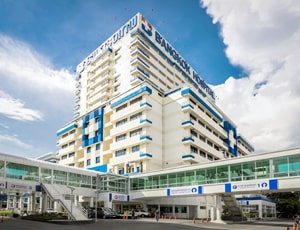
At Bangkok Hospital, Bladder Augmentation (Cystoplasty) is performed using specialized reconstructive urological techniques and comprehensive evaluation of bladder function. Established in 1972, this JCI accredited hospital in Bangkok, Thailand has 580 beds and offers advanced urology, pediatric urology, urinary reconstruction, and minimally invasive surgical services.
Bladder Augmentation (Cystoplasty) may be considered when reduced bladder capacity or high bladder pressure places urinary function or, in some cases, the upper urinary tract at risk. Before surgery, specialists may perform urodynamic testing, ultrasound, kidney-function assessment, urine testing, and other investigations to understand bladder storage and emptying. During the procedure, the bladder is opened and enlarged using a carefully prepared tissue segment, commonly from the intestine.
Delhi, India
Choosing BLK-Max Super Speciality Hospital for Bladder Augmentation (Cystoplasty) gives patients access to experienced reconstructive urologists, advanced urodynamic testing, urinary imaging, specialized operating facilities, and structured postoperative bladder management. Established in 1959, the JCI, NABH accredited hospital in Delhi, India has 650 beds and provides specialized treatment for complex bladder dysfunction.
Bladder Augmentation (Cystoplasty) is performed under appropriate anaesthesia. The surgeon enlarges the bladder by incorporating a suitable tissue segment and carefully closing the reconstructed bladder. After surgery, a urinary catheter is typically used while the bladder heals, and patients may require a structured bladder-emptying regimen depending on their underlying condition. Potential complications include urinary infection, mucus production, bladder stones, leakage, metabolic changes, bowel-related complications, or difficulties with bladder emptying.
At Kings College Hospital Dubai, Bladder Augmentation (Cystoplasty) is performed using specialized reconstructive urological techniques and comprehensive evaluation of bladder function. Established in 2019, this JCI accredited hospital in Dubai, United Arab Emirates has 100 beds and offers advanced urology, pediatric urology, urinary reconstruction, and minimally invasive surgical services.
Bladder Augmentation (Cystoplasty) may be considered when reduced bladder capacity or high bladder pressure places urinary function or, in some cases, the upper urinary tract at risk. Before surgery, specialists may perform urodynamic testing, ultrasound, kidney-function assessment, urine testing, and other investigations to understand bladder storage and emptying. During the procedure, the bladder is opened and enlarged using a carefully prepared tissue segment, commonly from the intestine.
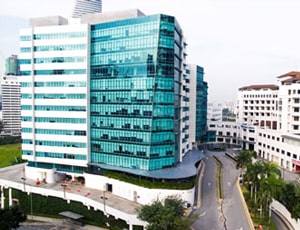
Parkway Pantai is a trusted healthcare provider for Bladder Augmentation (Cystoplasty), offering complex bladder reconstruction supported by experienced urologists, reconstructive surgeons, pediatric urologists when required, nephrologists, anesthesiologists, and multidisciplinary urinary care teams. Established in 1974, the JCI, MSQH accredited hospital is situated in Kuala Lumpur, Malaysia and has 499 beds.
Bladder Augmentation (Cystoplasty) works by increasing the size and improving the storage characteristics of the bladder. In a commonly used technique, a segment of the intestine is separated from the digestive tract and reshaped before being incorporated into the bladder. This creates a larger reservoir that can store urine at lower pressure. The specific technique depends on the underlying bladder disorder, anatomy, previous procedures, and overall health.
At Vejthani Hospital, Bladder Augmentation (Cystoplasty) is performed using specialized reconstructive urological techniques and comprehensive evaluation of bladder function. Established in 1994, this JCI accredited hospital in Bangkok, Thailand has 263 beds and offers advanced urology, pediatric urology, urinary reconstruction, and minimally invasive surgical services.
Bladder Augmentation (Cystoplasty) may be considered when reduced bladder capacity or high bladder pressure places urinary function or, in some cases, the upper urinary tract at risk. Before surgery, specialists may perform urodynamic testing, ultrasound, kidney-function assessment, urine testing, and other investigations to understand bladder storage and emptying. During the procedure, the bladder is opened and enlarged using a carefully prepared tissue segment, commonly from the intestine.
At Memorial Ankara Hospital, Bladder Augmentation (Cystoplasty) is performed using specialized reconstructive urological techniques and comprehensive evaluation of bladder function. Established in 2014, this JCI accredited hospital in Ankara, Turkey has 230 beds and offers advanced urology, pediatric urology, urinary reconstruction, and minimally invasive surgical services.
Bladder Augmentation (Cystoplasty) may be considered when reduced bladder capacity or high bladder pressure places urinary function or, in some cases, the upper urinary tract at risk. Before surgery, specialists may perform urodynamic testing, ultrasound, kidney-function assessment, urine testing, and other investigations to understand bladder storage and emptying. During the procedure, the bladder is opened and enlarged using a carefully prepared tissue segment, commonly from the intestine.
International St. Mary's Hospital provides specialised Bladder Augmentation (Cystoplasty) with a focus on improving bladder capacity, maintaining low-pressure urine storage, protecting urinary tract function, and providing individualized postoperative care. Established in 2014, the JCI accredited hospital is located in Seoul, South Korea and operates 808 beds, with modern urodynamics, urinary imaging, reconstructive urology, surgical, and rehabilitation infrastructure.
Bladder Augmentation (Cystoplasty) can provide an important treatment option for appropriately selected patients with severely reduced bladder capacity or abnormal bladder pressure. Treatment planning considers the underlying cause of bladder dysfunction, bladder capacity and compliance, kidney function, ability to empty the bladder, previous urinary procedures, and overall health. A detailed urological assessment helps determine whether augmentation is appropriate and whether additional procedures or long-term bladder-management strategies may be required.
Bangpakok 9 International Hospital is a trusted healthcare provider for Bladder Augmentation (Cystoplasty), offering complex bladder reconstruction supported by experienced urologists, reconstructive surgeons, pediatric urologists when required, nephrologists, anesthesiologists, and multidisciplinary urinary care teams. Established in 2003, the JCI, GHA accredited hospital is situated in Bangkok, Thailand and has 300 beds.
Bladder Augmentation (Cystoplasty) works by increasing the size and improving the storage characteristics of the bladder. In a commonly used technique, a segment of the intestine is separated from the digestive tract and reshaped before being incorporated into the bladder. This creates a larger reservoir that can store urine at lower pressure. The specific technique depends on the underlying bladder disorder, anatomy, previous procedures, and overall health.
Sharjah, United Arab Emirates
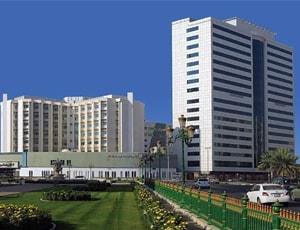
NMC Royal Hospital Sharjah is a trusted healthcare provider for Bladder Augmentation (Cystoplasty), offering complex bladder reconstruction supported by experienced urologists, reconstructive surgeons, pediatric urologists when required, nephrologists, anesthesiologists, and multidisciplinary urinary care teams. Established in 1981, the JCI accredited hospital is situated in Sharjah, United Arab Emirates and has 137 beds.
Bladder Augmentation (Cystoplasty) works by increasing the size and improving the storage characteristics of the bladder. In a commonly used technique, a segment of the intestine is separated from the digestive tract and reshaped before being incorporated into the bladder. This creates a larger reservoir that can store urine at lower pressure. The specific technique depends on the underlying bladder disorder, anatomy, previous procedures, and overall health.
Phyathai 2 International Hospital provides specialised Bladder Augmentation (Cystoplasty) with a focus on improving bladder capacity, maintaining low-pressure urine storage, protecting urinary tract function, and providing individualized postoperative care. Established in 1987, the JCI accredited hospital is located in Bangkok, Thailand and operates 550 beds, with modern urodynamics, urinary imaging, reconstructive urology, surgical, and rehabilitation infrastructure.
Bladder Augmentation (Cystoplasty) can provide an important treatment option for appropriately selected patients with severely reduced bladder capacity or abnormal bladder pressure. Treatment planning considers the underlying cause of bladder dysfunction, bladder capacity and compliance, kidney function, ability to empty the bladder, previous urinary procedures, and overall health. A detailed urological assessment helps determine whether augmentation is appropriate and whether additional procedures or long-term bladder-management strategies may be required.
Choosing NPISTANBUL Brain Hospital for Bladder Augmentation (Cystoplasty) gives patients access to experienced reconstructive urologists, advanced urodynamic testing, urinary imaging, specialized operating facilities, and structured postoperative bladder management. Established in 2007, the JCI accredited hospital in Istanbul, Turkey has 160 beds and provides specialized treatment for complex bladder dysfunction.
Bladder Augmentation (Cystoplasty) is performed under appropriate anaesthesia. The surgeon enlarges the bladder by incorporating a suitable tissue segment and carefully closing the reconstructed bladder. After surgery, a urinary catheter is typically used while the bladder heals, and patients may require a structured bladder-emptying regimen depending on their underlying condition. Potential complications include urinary infection, mucus production, bladder stones, leakage, metabolic changes, bowel-related complications, or difficulties with bladder emptying.
Yanhee International Hospital provides specialised Bladder Augmentation (Cystoplasty) with a focus on improving bladder capacity, maintaining low-pressure urine storage, protecting urinary tract function, and providing individualized postoperative care. Established in 1984, the ISO, JCI accredited hospital is located in Bangkok, Thailand and operates 400 beds, with modern urodynamics, urinary imaging, reconstructive urology, surgical, and rehabilitation infrastructure.
Bladder Augmentation (Cystoplasty) can provide an important treatment option for appropriately selected patients with severely reduced bladder capacity or abnormal bladder pressure. Treatment planning considers the underlying cause of bladder dysfunction, bladder capacity and compliance, kidney function, ability to empty the bladder, previous urinary procedures, and overall health. A detailed urological assessment helps determine whether augmentation is appropriate and whether additional procedures or long-term bladder-management strategies may be required.