Browse verified doctors or let our care team help you find the doctor best suited to your condition, treatment goals, and budget.

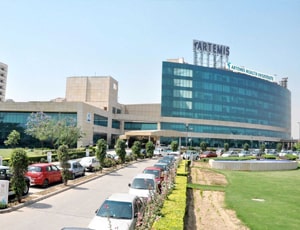
Choosing Artemis Health Institute for Plasmapheresis gives patients access to experienced apheresis specialists, advanced plasma separation technology, specialized vascular access, continuous monitoring, and structured follow-up care. Established in 2007, the JCI, NABH accredited hospital in Gurgaon, India has 750 beds and provides specialized therapeutic plasma exchange services.
Plasmapheresis is generally performed through a peripheral vein or, when necessary, a central venous access device. Blood is continuously circulated through the apheresis machine, where plasma is separated and removed while the cellular components are returned with replacement fluid. Patients are monitored throughout the procedure for changes in blood pressure, heart rate, calcium levels, fluid balance, and other potential reactions. Treatment duration varies according to the exchange volume and clinical protocol.
Choosing Gleneagles Hospital Mumbai for Plasmapheresis gives patients access to experienced apheresis specialists, advanced plasma separation technology, specialized vascular access, continuous monitoring, and structured follow-up care. Established in 1996, the JCI accredited hospital in Mumbai, India has 450 beds and provides specialized therapeutic plasma exchange services.
Plasmapheresis is generally performed through a peripheral vein or, when necessary, a central venous access device. Blood is continuously circulated through the apheresis machine, where plasma is separated and removed while the cellular components are returned with replacement fluid. Patients are monitored throughout the procedure for changes in blood pressure, heart rate, calcium levels, fluid balance, and other potential reactions. Treatment duration varies according to the exchange volume and clinical protocol.
Ghaziabad, India
At Max Super Specialty Hospital, Vaishali, Plasmapheresis is performed using specialised therapeutic plasma exchange equipment and comprehensive pre-procedure assessment. Established in 2008, this NABL, NABH accredited hospital in Ghaziabad, India has 370 beds and offers advanced blood purification and multidisciplinary medical services.
Plasmapheresis may be considered for selected autoimmune, neurological, hematological, or other conditions in which circulating substances contribute to disease activity. During treatment, blood is withdrawn through suitable vascular access and passed through an apheresis machine that separates plasma from blood cells. The plasma is removed and replaced with an appropriate fluid before the blood cells are returned to the patient.
At Indraprastha Apollo Hospital, Plasmapheresis is performed using specialised therapeutic plasma exchange equipment and comprehensive pre-procedure assessment. Established in 1996, this JCI accredited hospital in Delhi, India has 710 beds and offers advanced blood purification and multidisciplinary medical services.
Plasmapheresis may be considered for selected autoimmune, neurological, hematological, or other conditions in which circulating substances contribute to disease activity. During treatment, blood is withdrawn through suitable vascular access and passed through an apheresis machine that separates plasma from blood cells. The plasma is removed and replaced with an appropriate fluid before the blood cells are returned to the patient.
Delhi, India
Max Super Speciality Hospital, Patparganj offers advanced Plasmapheresis using modern therapeutic plasma exchange techniques and individualized clinical care plans. Established in 2005, the NABH, NABL, AACI accredited hospital is located in Delhi, India and has 400 beds, providing comprehensive care for local and international patients.
Plasmapheresis is a blood purification procedure in which plasma is separated from the cellular components of blood and removed or exchanged with a replacement fluid. It may be used to reduce harmful antibodies, abnormal proteins, immune complexes, or other substances circulating in the plasma. Depending on the underlying condition, the removed plasma may be replaced with albumin, saline, donor plasma, or another clinically appropriate replacement solution.
Tx Hospitals Banjara Hills is a trusted healthcare provider for Plasmapheresis, offering therapeutic plasma exchange supported by experienced specialists, advanced apheresis systems, trained nursing teams, and multidisciplinary clinical care. Established in 2020, the JCI, NABH- accredited hospital is situated in Hyderabad, India and has 100 beds.
Plasmapheresis works by selectively removing plasma containing disease-associated antibodies, proteins, immune complexes, or other circulating substances. The cellular components of blood are preserved and returned to the circulation along with replacement fluid. The number and frequency of treatment sessions depend on the underlying condition, severity of disease, response to therapy, and the treating specialist's clinical assessment.
Choosing VPS Lakeshore Hospital for Plasmapheresis gives patients access to experienced apheresis specialists, advanced plasma separation technology, specialized vascular access, continuous monitoring, and structured follow-up care. Established in 2003, the NABH, ISO accredited hospital in Kochi, India has 350 beds and provides specialized therapeutic plasma exchange services.
Plasmapheresis is generally performed through a peripheral vein or, when necessary, a central venous access device. Blood is continuously circulated through the apheresis machine, where plasma is separated and removed while the cellular components are returned with replacement fluid. Patients are monitored throughout the procedure for changes in blood pressure, heart rate, calcium levels, fluid balance, and other potential reactions. Treatment duration varies according to the exchange volume and clinical protocol.
The Medical Park provides specialised Plasmapheresis with a focus on precise plasma removal, advanced apheresis technology, individualized treatment protocols, and comprehensive patient monitoring. Established in 1987, the accredited hospital is located in Chennai, India and operates 300 beds, with modern apheresis, critical-care, and multidisciplinary medical infrastructure.
Plasmapheresis can help reduce circulating disease-associated substances when therapeutic plasma exchange is clinically indicated. Treatment planning considers the patient's underlying disease, blood volume, vascular access, coagulation profile, electrolyte levels, and overall clinical condition. A detailed assessment helps the medical team determine the appropriate exchange volume, replacement fluid, treatment frequency, and monitoring requirements while minimizing potential complications such as low blood pressure, allergic reactions, bleeding, or electrolyte disturbances.
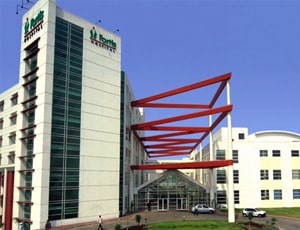
At Fortis Hospital, Plasmapheresis is performed using specialised therapeutic plasma exchange equipment and comprehensive pre-procedure assessment. Established in 2004, this NABH, NABL accredited hospital in Noida, India has 400 beds and offers advanced blood purification and multidisciplinary medical services.
Plasmapheresis may be considered for selected autoimmune, neurological, hematological, or other conditions in which circulating substances contribute to disease activity. During treatment, blood is withdrawn through suitable vascular access and passed through an apheresis machine that separates plasma from blood cells. The plasma is removed and replaced with an appropriate fluid before the blood cells are returned to the patient.
nM Virani Wockhardt offers advanced Plasmapheresis using modern therapeutic plasma exchange techniques and individualized clinical care plans. Established in 1998, the NABH accredited hospital is located in Rajkot, India and has 280 beds, providing comprehensive care for local and international patients.
Plasmapheresis is a blood purification procedure in which plasma is separated from the cellular components of blood and removed or exchanged with a replacement fluid. It may be used to reduce harmful antibodies, abnormal proteins, immune complexes, or other substances circulating in the plasma. Depending on the underlying condition, the removed plasma may be replaced with albumin, saline, donor plasma, or another clinically appropriate replacement solution.
Choosing Manipal Hospital, Dwarka for Plasmapheresis gives patients access to experienced apheresis specialists, advanced plasma separation technology, specialized vascular access, continuous monitoring, and structured follow-up care. Established in 2018, the NABH accredited hospital in Delhi, India has 380 beds and provides specialized therapeutic plasma exchange services.
Plasmapheresis is generally performed through a peripheral vein or, when necessary, a central venous access device. Blood is continuously circulated through the apheresis machine, where plasma is separated and removed while the cellular components are returned with replacement fluid. Patients are monitored throughout the procedure for changes in blood pressure, heart rate, calcium levels, fluid balance, and other potential reactions. Treatment duration varies according to the exchange volume and clinical protocol.
At Batra Hospital, Plasmapheresis is performed using specialised therapeutic plasma exchange equipment and comprehensive pre-procedure assessment. Established in 1987, this NABH accredited hospital in Delhi, India has 495 beds and offers advanced blood purification and multidisciplinary medical services.
Plasmapheresis may be considered for selected autoimmune, neurological, hematological, or other conditions in which circulating substances contribute to disease activity. During treatment, blood is withdrawn through suitable vascular access and passed through an apheresis machine that separates plasma from blood cells. The plasma is removed and replaced with an appropriate fluid before the blood cells are returned to the patient.
Regen Ortho Sport offers advanced Plasmapheresis using modern therapeutic plasma exchange techniques and individualized clinical care plans. Established in 2012, the accredited hospital is located in Mumbai, India and it has adequate bed capacity, providing comprehensive care for local and international patients.
Plasmapheresis is a blood purification procedure in which plasma is separated from the cellular components of blood and removed or exchanged with a replacement fluid. It may be used to reduce harmful antibodies, abnormal proteins, immune complexes, or other substances circulating in the plasma. Depending on the underlying condition, the removed plasma may be replaced with albumin, saline, donor plasma, or another clinically appropriate replacement solution.
Choosing Rajagiri Hospital for Plasmapheresis gives patients access to experienced apheresis specialists, advanced plasma separation technology, specialized vascular access, continuous monitoring, and structured follow-up care. Established in 2014, the JCI accredited hospital in Kochi, India it has adequate bed capacity and provides specialized therapeutic plasma exchange services.
Plasmapheresis is generally performed through a peripheral vein or, when necessary, a central venous access device. Blood is continuously circulated through the apheresis machine, where plasma is separated and removed while the cellular components are returned with replacement fluid. Patients are monitored throughout the procedure for changes in blood pressure, heart rate, calcium levels, fluid balance, and other potential reactions. Treatment duration varies according to the exchange volume and clinical protocol.
Marengo Asia Hospitals, Faridabad provides specialised Plasmapheresis with a focus on precise plasma removal, advanced apheresis technology, individualized treatment protocols, and comprehensive patient monitoring. Established in 2007, the NABH, NABL accredited hospital is located in Faridabad, India and operates 325 beds, with modern apheresis, critical-care, and multidisciplinary medical infrastructure.
Plasmapheresis can help reduce circulating disease-associated substances when therapeutic plasma exchange is clinically indicated. Treatment planning considers the patient's underlying disease, blood volume, vascular access, coagulation profile, electrolyte levels, and overall clinical condition. A detailed assessment helps the medical team determine the appropriate exchange volume, replacement fluid, treatment frequency, and monitoring requirements while minimizing potential complications such as low blood pressure, allergic reactions, bleeding, or electrolyte disturbances.

Marsha Akatu from Kenya was suffering from Sickle Cell Anaemia. She got her treatment done at Medanta Hospital, Gurgaon, India.

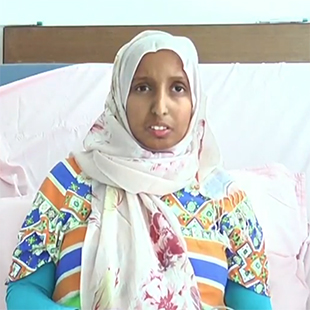
Patient Testimonial: Bushra Masoud for Brain Marrow Treatment from Apollo Hospitals
| Speciality | Transplants |
| Procedure | Plasmapheresis |
| Success Rate | Varies by condition |
| Recovery Time | NA |
| Treatment Time | 1-3 hours, multiple sessions |
| Chances of Recurrence | Varies by condition |
Many hospitals in India that perform plasmapheresis use advanced medical technology. The blood separation and plasma reinfusion facilities use state-of-the-art equipment to ensure proper care. Moreover, well-trained medical professionals also follow global standards for optimal treatment outcomes.
The top hospitals that provide Plasmapheresis in India have the following features:
The success rate of plasmapheresis in India varies depending on the type of medical problem. Plasmapheresis can be helpful for conditions such as autoimmune diseases, neurological diseases, and a few blood-related disorders, which may have an effective success rate of 70-90%, depending on the severity of the problem and the overall health of the patient.
You can explore the list of trustworthy, accredited hospitals in India that provide Plasmapheresis on the MediGence platform. It also shows the profiles of Nephrologists by their experience, success rates, and reviews to help you find the best ones to connect with. This results in a seamless and informed journey to find the most personalised medical solutions for treatment.
Few hospitals in India offer Plasmapheresis :
The cost of a Plasmapheresis in India typically ranges from (USD 600 - 1500), depending on the hospital, location, and the complexity of the condition.
Many hospitals in India offering Plasmapheresis specialise in treating international patients. They arrange travel and accommodation and plan treatment. Even Top-Notch Hospitals like Artemis, Fortis, and Medanta provide excellent treatment and care for their global patients.
There are some of the risks associated with Plasmapheresis such as:
Following plasmapheresis in India, recovery can range from a few hours to the next day. Most patients can resume their normal activities immediately, but a few will experience slight fatigue, dizziness, or discomfort for a day or two. When plasmapheresis is used to treat a chronic condition, numerous sessions may be required, with varying periods between treatments.
You can speak with a Nephrologist before travelling to India for a Plasmapheresis through the MediGence platform. MediGence offers teleconsultations with top experts, allowing you to discuss your medical condition, treatment options, and expert advice.
Post-operative treatment after plasmapheresis in India typically includes monitoring for any immediate side effects, such as weariness, dizziness, or low blood pressure. Patients are monitored for a few hours after the procedure to ensure stability. It is essential to remain hydrated, adhere to any dietary advice, and avoid strenuous activities for a short time.
India is one of the most sought-after destinations for Plasmapheresis due to its advanced healthcare facilities, well-qualified doctors, and cost-effective treatment. The country has world-class medical technology and internationally accredited hospitals. MediGence ensures a hassle-free experience with personalised assistance from selecting the hospital, travel, and post-treatment care.
MediGence will contact you to arrange an appointment for a Plasmapheresis in India. Our case manager will connect you with the top hospitals, schedule consultations with the specialists, and guide you throughout the process, including travel and treatment planning.
Your stay in India for plasmapheresis usually lasts one to two weeks, depending on the number of sessions required. Although individual sessions may last a few hours, patients often require many treatments and time for initial consultation, follow-up care, and monitoring.
Plasmapheresis is a procedure in which healthcare personnel collect blood and use a machine to separate red blood cells, white blood cells, platelets, and plasma before using each component to treat specific medical diseases.
Plasma exchange requires a few additional steps:
MediGence will assist you in preparing for Plasmapheresis in India by providing end-to-end assistance for a hassle-free experience. We connect you with the best hospitals and experienced nephrologists for an initial consultation, make necessary diagnostic tests, and provide a treatment plan tailored to your needs.
Our Case Manager will help you coordinate travel, visas, and accommodation and provide personalised support during your stay. MediGence offers the best and safest care in state-of-the-art medical facilities.

Weber, a 57-year-old man from the United States, travelled to India seeking specialised medical care and underwent plasmapheresis as part of his treatment.