Browse verified doctors or let our care team help you find the doctor best suited to your condition, treatment goals, and budget.

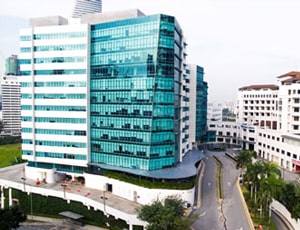
Prince Court Medical Centre offers advanced Total Knee Replacement B/L (Bilateral Total Knee Replacement) using modern orthopaedic techniques and internationally accepted treatment protocols. Established in 2007, the MSQH accredited hospital is located in Kuala Lumpur, Malaysia, with 277 beds, providing comprehensive joint replacement care for local and international patients.
Bilateral total knee replacement involves replacing damaged knee joints on both sides with artificial implants to relieve pain and improve mobility. It may be recommended for severe arthritis or advanced joint damage affecting both knees. Depending on the patient's health and surgical suitability, both knees may be replaced in a single surgical session or through staged procedures.
With advanced orthopaedic infrastructure, Parkway Pantai offers Bilateral Total Knee Replacement for patients experiencing persistent pain and reduced mobility in both knees. Established in 1974, the JCI, MSQH accredited hospital is located in Kuala Lumpur, Malaysia, and has 499 beds.
The procedure involves resurfacing the damaged areas of both knee joints with prosthetic implants. Depending on the patient's overall health and condition, surgeons may perform both replacements together or as separate procedures. A comprehensive pre-operative assessment helps determine surgical suitability, while physiotherapy supports mobility and recovery after treatment.
At Sunway Medical Centre, patients can access Bilateral Total Knee Replacement supported by advanced orthopaedic facilities and experienced joint replacement specialists. Established in 1999, the ACHS accredited hospital is located in Kuala Lumpur, Malaysia, and has 724 beds.
The procedure replaces damaged portions of both knee joints with prosthetic components designed to restore alignment, reduce pain, and improve function. Before surgery, the orthopaedic team evaluates joint damage, mobility, bone health, medical history, and overall fitness to determine whether simultaneous or staged knee replacement is more appropriate.
ParkCity Medical Centre offers advanced Total Knee Replacement B/L (Bilateral Total Knee Replacement) using modern orthopaedic techniques and internationally accepted treatment protocols. Established in 2012, the JCI accredited hospital is located in Kuala Lumpur, Malaysia, with 300 beds, providing comprehensive joint replacement care for local and international patients.
Bilateral total knee replacement involves replacing damaged knee joints on both sides with artificial implants to relieve pain and improve mobility. It may be recommended for severe arthritis or advanced joint damage affecting both knees. Depending on the patient's health and surgical suitability, both knees may be replaced in a single surgical session or through staged procedures.
At Subang Jaya Medical Centre, patients can access Bilateral Total Knee Replacement supported by advanced orthopaedic facilities and experienced joint replacement specialists. Established in 1985, the JCI accredited hospital is located in Kuala Lumpur, Malaysia, and has 442 beds.
The procedure replaces damaged portions of both knee joints with prosthetic components designed to restore alignment, reduce pain, and improve function. Before surgery, the orthopaedic team evaluates joint damage, mobility, bone health, medical history, and overall fitness to determine whether simultaneous or staged knee replacement is more appropriate.
At Ara Damansara Medical Centre, patients can access Bilateral Total Knee Replacement supported by advanced orthopaedic facilities and experienced joint replacement specialists. Established in 2012, the JCI, MSQH accredited hospital is located in Kuala Lumpur, Malaysia, and has 220 beds.
The procedure replaces damaged portions of both knee joints with prosthetic components designed to restore alignment, reduce pain, and improve function. Before surgery, the orthopaedic team evaluates joint damage, mobility, bone health, medical history, and overall fitness to determine whether simultaneous or staged knee replacement is more appropriate.
Bukit Tinggi Medical Centre provides Total Knee Replacement B/L using contemporary joint replacement techniques and evidence-based orthopaedic care. Founded in 2016, the MSQH accredited hospital is based in Kuala Lumpur, Malaysia, with 171 beds and services for domestic and international patients.
Bilateral knee replacement may be considered for patients with advanced osteoarthritis, severe joint degeneration, or significant bilateral knee damage. During surgery, damaged bone and cartilage are removed and replaced with artificial components. Detailed imaging and pre-operative assessment help the specialist select suitable implants and develop an individualised surgical and rehabilitation plan.
Tawakkal Specialist Hospital, Kuala Lumpur provides Total Knee Replacement B/L using contemporary joint replacement techniques and evidence-based orthopaedic care. Founded in 1984, the ISO accredited hospital is based in Kuala Lumpur, Malaysia, with 200 beds and services for domestic and international patients.
Bilateral knee replacement may be considered for patients with advanced osteoarthritis, severe joint degeneration, or significant bilateral knee damage. During surgery, damaged bone and cartilage are removed and replaced with artificial components. Detailed imaging and pre-operative assessment help the specialist select suitable implants and develop an individualised surgical and rehabilitation plan.
Damansara Specialist Hospital, Petaling Jaya provides Total Knee Replacement B/L using contemporary joint replacement techniques and evidence-based orthopaedic care. Founded in 1996, the accredited hospital is based in Petaling Jaya, Malaysia, with 194 beds and services for domestic and international patients.
Bilateral knee replacement may be considered for patients with advanced osteoarthritis, severe joint degeneration, or significant bilateral knee damage. During surgery, damaged bone and cartilage are removed and replaced with artificial components. Detailed imaging and pre-operative assessment help the specialist select suitable implants and develop an individualised surgical and rehabilitation plan.
Kuala Lumpur, Malaysia
Damansara Specialist Hospital 2 (DSH2), Kuala Lumpur provides Total Knee Replacement B/L using contemporary joint replacement techniques and evidence-based orthopaedic care. Founded in 2016, the accredited hospital is based in Kuala Lumpur, Malaysia, with 132 beds and services for domestic and international patients.
Bilateral knee replacement may be considered for patients with advanced osteoarthritis, severe joint degeneration, or significant bilateral knee damage. During surgery, damaged bone and cartilage are removed and replaced with artificial components. Detailed imaging and pre-operative assessment help the specialist select suitable implants and develop an individualised surgical and rehabilitation plan.

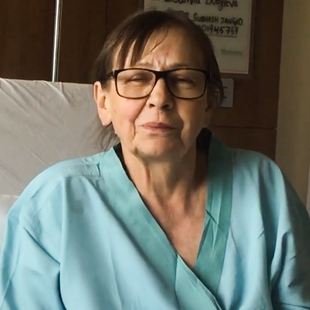
Ms. Bobylev Lyudmila, a 72-year-old lady from Kyrgyzstan, underwent successful Robotic Double Knee Replacement Surgery at Fortis Hospital, Gurugram in India.

Mr. Gavin Underwent Knee Replacement Surgery in NPIstanbul Brain Hospital, Turkey
| Speciality | Orthopedics |
| Procedure | Total Knee Replacement (Bilateral) |
| Success Rate | 90-98% |
| Recovery Time | 3-6 months |
| Treatment Time | 1-2 hours |
| Chances of Recurrence | Low |
Total Knee Replacement Bilateral is a surgery that involves the simultaneous replacement of both knee joints with artificial implants. It is performed to relieve pain, improve mobility, and enhance the function of the knees. During the procedure, the damaged portions of the knee joints are removed, and metal or plastic components are inserted to recreate the joint surfaces.
Total Knee Replacement Bilateral is commonly used to treat medical conditions that affect both knee joints, such as severe osteoarthritis, rheumatoid arthritis, post-traumatic arthritis, and knee deformities. Some common signs and symptoms exhibited by these conditions include chronic pain, stiffness, difficulty walking, and reduced quality of life.
The recovery process after a total knee replacement can take several months. In the initial few days post-surgery, the patient is kept in the hospital under close monitoring to manage pain, monitor vital signs, and begin physical therapy. Full recovery may require dedicated physiotherapy and regular follow-up visits with the surgeon to monitor progress and ensure proper healing. Rehabilitation exercises, pain management, and adherence to post-operative instructions are essential for a successful recovery.
It's a fact that while ranking a hospital, certain factors need to be considered. When it comes to Malaysia, the following measures can be used to rank hospitals for Total Knee Replacement B/L- Infrastructure, Procedure Availability, Procedure Popularity, Technology, Affordability, Experienced Specialists, Quality of Resources, and Success Rate
MediGence offers you a blend of convenience, quality healthcare, and cost-savings. We provide a set of unmatched services to assist you in your medical journey to different countries in the world. These caregiving services are airport transfers, accommodation, 24/7 assistance, Online consultation, Assigned Patient Coordinator, and Prebundled treatment packages with upto a 30% discount. There are many more advantages for you besides the aforementioned services.
Definitely Yes. You can get an expert medical opinion via online consultation before you decide to travel. You can place your request to our patient advisors for scheduling your online consultation with the specialist. They will check the doctor's availability, send the payment link to you, and finalize your appointment.
People from around the world are increasingly choosing to travel to Malaysia for Total Knee Replacement B/L due to its modern infrastructure and high success rate. Many other factors make Malaysia the preferred choice for Total Knee Replacement B/L. These include:
The recovery time of the patients can be determined based on the patient’s overall health and the criticality of the procedure undergone. Rehabilitation and post-operative care play an important role in speeding up the recovery time and helping the patient to get back to their healthier self. To speed up recovery, it is advised that the patient maintain regular contact with their surgeon for a few months after surgery.