Browse verified doctors or let our care team help you find the doctor best suited to your condition, treatment goals, and budget.

At Guven Hospital, Posterior Cruciate Ligament (PCL) Reconstruction is performed using advanced arthroscopic and ligament reconstruction techniques, with personalised treatment plans tailored to the patient's knee injury. Established in 1975, this GHA hospital in Ankara, Turkey has 254 beds and provides comprehensive orthopedic and sports medicine care.
Posterior Cruciate Ligament (PCL) Reconstruction may be recommended for patients with severe PCL injuries causing persistent knee instability, particularly when associated injuries are present or non-surgical treatment has not provided adequate recovery. During the procedure, the damaged ligament is reconstructed using a suitable tendon graft and secured within the knee. A detailed assessment using clinical examination and imaging helps determine the extent of injury. Rehabilitation following surgery is essential for restoring movement, strength, and knee function.
Choosing Dr. Rela Institute and Medical Centre for Posterior Cruciate Ligament (PCL) Reconstruction gives patients access to experienced orthopedic and sports medicine specialists, advanced arthroscopic technology, and comprehensive rehabilitation services. Established in 2018, the NABH, NABL hospital in Chennai, India has 450 beds and provides specialised orthopedic care.
Posterior Cruciate Ligament (PCL) Reconstruction may be considered when a severe ligament tear results in ongoing knee instability, pain, or difficulty performing physical activities despite appropriate conservative management. The procedure involves reconstructing the damaged PCL using a tendon graft to restore the ligament's stabilising function. Doctors generally perform a physical examination and MRI or other imaging before surgery to assess the injury and identify associated damage. Physiotherapy after surgery supports gradual recovery and return to activity.
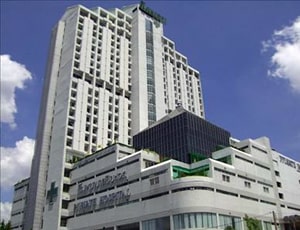
Piyavate Hospital provides specialised Posterior Cruciate Ligament (PCL) Reconstruction with a focus on minimally invasive surgery, precise graft placement, patient safety, and functional recovery. Established in 1993, the JCI, ISO hospital is located in Bangkok, Thailand and operates 150 beds with modern orthopedic infrastructure.
PCL Reconstruction is an advanced surgical treatment for selected patients with significant posterior cruciate ligament injuries that compromise knee stability and function. During reconstruction, the damaged ligament is replaced with a tendon graft that is positioned and secured to reproduce the stabilising role of the original PCL. Comprehensive evaluation helps determine the severity of the injury and suitability for surgery. Following the procedure, a structured rehabilitation program involving progressive exercises and physiotherapy helps restore knee movement, strength, and stability.
Quironsalud Marbella Hospital is a trusted healthcare provider for Posterior Cruciate Ligament (PCL) Reconstruction, offering specialized ligament reconstruction supported by experienced orthopedic surgeons and modern arthroscopic infrastructure. Established in 1979, the ISO hospital is situated in Marbella, Spain and has 120 beds.
PCL Reconstruction aims to restore stability and function in patients with significant posterior cruciate ligament damage. The PCL is an important ligament that helps prevent excessive backward movement of the shinbone relative to the thighbone. When reconstruction is indicated, surgeons typically use a tendon graft to replace the damaged ligament, often through minimally invasive arthroscopic techniques. Preoperative assessment includes physical examination and imaging, while structured rehabilitation helps the knee gradually regain strength and stability.
At netcare Linksfield Hospital, Posterior Cruciate Ligament (PCL) Reconstruction is performed using advanced arthroscopic and ligament reconstruction techniques, with personalised treatment plans tailored to the patient's knee injury. Established in 1991, this COHSASA hospital in Johannesburg, South Africa has 319 beds and provides comprehensive orthopedic and sports medicine care.
Posterior Cruciate Ligament (PCL) Reconstruction may be recommended for patients with severe PCL injuries causing persistent knee instability, particularly when associated injuries are present or non-surgical treatment has not provided adequate recovery. During the procedure, the damaged ligament is reconstructed using a suitable tendon graft and secured within the knee. A detailed assessment using clinical examination and imaging helps determine the extent of injury. Rehabilitation following surgery is essential for restoring movement, strength, and knee function.
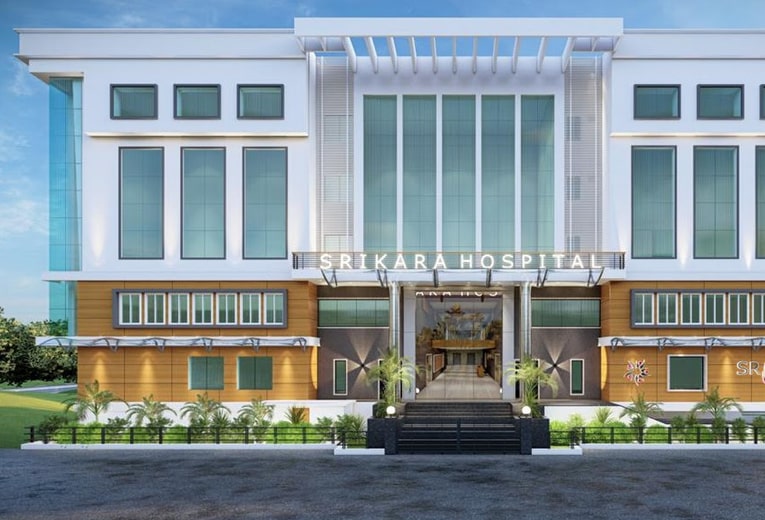
At Srikara Hospital, RTC Cross Roads, Posterior Cruciate Ligament (PCL) Reconstruction is performed using advanced arthroscopic and ligament reconstruction techniques, with personalised treatment plans tailored to the patient's knee injury. Established in 2013, this NABH hospital in Hyderabad, India has 120 beds and provides comprehensive orthopedic and sports medicine care.
Posterior Cruciate Ligament (PCL) Reconstruction may be recommended for patients with severe PCL injuries causing persistent knee instability, particularly when associated injuries are present or non-surgical treatment has not provided adequate recovery. During the procedure, the damaged ligament is reconstructed using a suitable tendon graft and secured within the knee. A detailed assessment using clinical examination and imaging helps determine the extent of injury. Rehabilitation following surgery is essential for restoring movement, strength, and knee function.
Choosing Yatharth hospital for Posterior Cruciate Ligament (PCL) Reconstruction gives patients access to experienced orthopedic and sports medicine specialists, advanced arthroscopic technology, and comprehensive rehabilitation services. Established in 2008, the JCI, NABH, NABL hospital in Delhi, India has 400 beds and provides specialised orthopedic care.
Posterior Cruciate Ligament (PCL) Reconstruction may be considered when a severe ligament tear results in ongoing knee instability, pain, or difficulty performing physical activities despite appropriate conservative management. The procedure involves reconstructing the damaged PCL using a tendon graft to restore the ligament's stabilising function. Doctors generally perform a physical examination and MRI or other imaging before surgery to assess the injury and identify associated damage. Physiotherapy after surgery supports gradual recovery and return to activity.
Traumatologia XXI provides specialised Posterior Cruciate Ligament (PCL) Reconstruction with a focus on minimally invasive surgery, precise graft placement, patient safety, and functional recovery. Established in 0, the hospital is located in Bilbao, Spain and operates beds with modern orthopedic infrastructure.
PCL Reconstruction is an advanced surgical treatment for selected patients with significant posterior cruciate ligament injuries that compromise knee stability and function. During reconstruction, the damaged ligament is replaced with a tendon graft that is positioned and secured to reproduce the stabilising role of the original PCL. Comprehensive evaluation helps determine the severity of the injury and suitability for surgery. Following the procedure, a structured rehabilitation program involving progressive exercises and physiotherapy helps restore knee movement, strength, and stability.
Can Hospital offers advanced Posterior Cruciate Ligament (PCL) Reconstruction using modern orthopedic and sports medicine techniques and internationally accepted treatment protocols. Established in 2017, the JCI, NABH hospital is located in Izmir, Turkey and has 95 beds, providing comprehensive orthopedic care for local and international patients.
PCL Reconstruction is a surgical procedure used to restore stability in the knee when the posterior cruciate ligament is severely torn or damaged and does not heal adequately with conservative treatment. The procedure generally involves replacing the damaged ligament with a tendon graft obtained from the patient or a donor. Before surgery, doctors evaluate knee stability through physical examination and imaging such as MRI. Postoperative physiotherapy and rehabilitation help restore knee strength, stability, and range of motion.
At Vinmec Phu Quoc Hospital, Posterior Cruciate Ligament (PCL) Reconstruction is performed using advanced arthroscopic and ligament reconstruction techniques, with personalised treatment plans tailored to the patient's knee injury. Established in 2015, this JCI hospital in Phu Quoc, Vietnam has 150 beds and provides comprehensive orthopedic and sports medicine care.
Posterior Cruciate Ligament (PCL) Reconstruction may be recommended for patients with severe PCL injuries causing persistent knee instability, particularly when associated injuries are present or non-surgical treatment has not provided adequate recovery. During the procedure, the damaged ligament is reconstructed using a suitable tendon graft and secured within the knee. A detailed assessment using clinical examination and imaging helps determine the extent of injury. Rehabilitation following surgery is essential for restoring movement, strength, and knee function.
Vinmec Times City provides specialised Posterior Cruciate Ligament (PCL) Reconstruction with a focus on minimally invasive surgery, precise graft placement, patient safety, and functional recovery. Established in 2012, the JCI hospital is located in Ha noi, Vietnam and operates 500 beds with modern orthopedic infrastructure.
PCL Reconstruction is an advanced surgical treatment for selected patients with significant posterior cruciate ligament injuries that compromise knee stability and function. During reconstruction, the damaged ligament is replaced with a tendon graft that is positioned and secured to reproduce the stabilising role of the original PCL. Comprehensive evaluation helps determine the severity of the injury and suitability for surgery. Following the procedure, a structured rehabilitation program involving progressive exercises and physiotherapy helps restore knee movement, strength, and stability.
Choosing Yashoda Hospital, Malakpet for Posterior Cruciate Ligament (PCL) Reconstruction gives patients access to experienced orthopedic and sports medicine specialists, advanced arthroscopic technology, and comprehensive rehabilitation services. Established in 1989, the NABH, NABL hospital in Hyderabad, India has 404 beds and provides specialised orthopedic care.
Posterior Cruciate Ligament (PCL) Reconstruction may be considered when a severe ligament tear results in ongoing knee instability, pain, or difficulty performing physical activities despite appropriate conservative management. The procedure involves reconstructing the damaged PCL using a tendon graft to restore the ligament's stabilising function. Doctors generally perform a physical examination and MRI or other imaging before surgery to assess the injury and identify associated damage. Physiotherapy after surgery supports gradual recovery and return to activity.
Ruby Hall Clinic offers advanced Posterior Cruciate Ligament (PCL) Reconstruction using modern orthopedic and sports medicine techniques and internationally accepted treatment protocols. Established in 1959, the NABH, NABL hospital is located in Pune, India and has 600 beds, providing comprehensive orthopedic care for local and international patients.
PCL Reconstruction is a surgical procedure used to restore stability in the knee when the posterior cruciate ligament is severely torn or damaged and does not heal adequately with conservative treatment. The procedure generally involves replacing the damaged ligament with a tendon graft obtained from the patient or a donor. Before surgery, doctors evaluate knee stability through physical examination and imaging such as MRI. Postoperative physiotherapy and rehabilitation help restore knee strength, stability, and range of motion.
Assuta Hospital provides specialised Posterior Cruciate Ligament (PCL) Reconstruction with a focus on minimally invasive surgery, precise graft placement, patient safety, and functional recovery. Established in 1934, the JCI hospital is located in Tel Aviv, Israel and operates 300 beds with modern orthopedic infrastructure.
PCL Reconstruction is an advanced surgical treatment for selected patients with significant posterior cruciate ligament injuries that compromise knee stability and function. During reconstruction, the damaged ligament is replaced with a tendon graft that is positioned and secured to reproduce the stabilising role of the original PCL. Comprehensive evaluation helps determine the severity of the injury and suitability for surgery. Following the procedure, a structured rehabilitation program involving progressive exercises and physiotherapy helps restore knee movement, strength, and stability.
Kalra Hospital provides specialised Posterior Cruciate Ligament (PCL) Reconstruction with a focus on minimally invasive surgery, precise graft placement, patient safety, and functional recovery. Established in 1987, the NABH hospital is located in Delhi, India and operates 110 beds with modern orthopedic infrastructure.
PCL Reconstruction is an advanced surgical treatment for selected patients with significant posterior cruciate ligament injuries that compromise knee stability and function. During reconstruction, the damaged ligament is replaced with a tendon graft that is positioned and secured to reproduce the stabilising role of the original PCL. Comprehensive evaluation helps determine the severity of the injury and suitability for surgery. Following the procedure, a structured rehabilitation program involving progressive exercises and physiotherapy helps restore knee movement, strength, and stability.