Browse verified doctors or let our care team help you find the doctor best suited to your condition, treatment goals, and budget.

Delhi, India
Choosing BLK-Max Super Speciality Hospital for Osteotomy gives patients access to specialist-led orthopedic surgery, modern fixation technology, and coordinated postoperative rehabilitation. Established in 1959, the JCI, NABH accredited hospital is located in Delhi, India and operates 650 beds with advanced orthopedic infrastructure.
Osteotomy can help correct malalignment caused by developmental abnormalities, previous injury, or degenerative changes. The surgeon carefully cuts the affected bone and adjusts its alignment to improve the mechanical relationship between the bone and nearby joint. Depending on the surgical plan, fixation devices may be used to maintain the corrected position. Follow-up imaging is performed to monitor bone healing, while physiotherapy helps restore mobility and function.
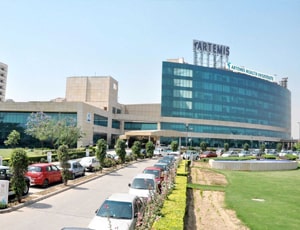
Artemis Health Institute provides specialized Osteotomy with a focus on correcting bone alignment, improving joint mechanics, and supporting long-term mobility. Established in 2007, the JCI, NABH accredited hospital is located in Gurgaon, India and operates 750 beds with modern orthopedic and reconstructive surgery facilities.
Osteotomy is a surgical procedure in which a bone is carefully cut and reshaped to correct an abnormal angle or alignment. It may be performed around joints such as the knee or hip to redistribute pressure across the joint and improve function. The surgeon determines the location and degree of correction based on physical examination and imaging. The repositioned bone is usually stabilized with plates, screws, or other fixation devices while it heals.
At Medanta - The Medicity, Osteotomy is performed using advanced orthopedic techniques and individualized surgical planning. Established in 2009, the JCI, NABH accredited hospital in Gurgaon, India has 1250 beds and provides comprehensive orthopedic and musculoskeletal care.
Osteotomy may be recommended for patients with bone deformities, abnormal joint alignment, or selected cases of joint degeneration. During the procedure, the surgeon makes a controlled cut in the bone and changes its position or shape to achieve the planned correction. Depending on the condition, a wedge of bone may be removed, added, or repositioned. Imaging helps guide the correction, while postoperative rehabilitation supports recovery of strength and movement.
Gleneagles Hospital Mumbai provides specialized Osteotomy with a focus on correcting bone alignment, improving joint mechanics, and supporting long-term mobility. Established in 1996, the JCI accredited hospital is located in Mumbai, India and operates 450 beds with modern orthopedic and reconstructive surgery facilities.
Osteotomy is a surgical procedure in which a bone is carefully cut and reshaped to correct an abnormal angle or alignment. It may be performed around joints such as the knee or hip to redistribute pressure across the joint and improve function. The surgeon determines the location and degree of correction based on physical examination and imaging. The repositioned bone is usually stabilized with plates, screws, or other fixation devices while it heals.
Ghaziabad, India
Max Super Specialty Hospital, Vaishali provides specialized Osteotomy with a focus on correcting bone alignment, improving joint mechanics, and supporting long-term mobility. Established in 2008, the NABL, NABH accredited hospital is located in Ghaziabad, India and operates 370 beds with modern orthopedic and reconstructive surgery facilities.
Osteotomy is a surgical procedure in which a bone is carefully cut and reshaped to correct an abnormal angle or alignment. It may be performed around joints such as the knee or hip to redistribute pressure across the joint and improve function. The surgeon determines the location and degree of correction based on physical examination and imaging. The repositioned bone is usually stabilized with plates, screws, or other fixation devices while it heals.
Max Hospital, Gurgaon provides specialized Osteotomy with an emphasis on accurate bone correction, stable fixation, and personalized rehabilitation. Established in 2007, the ISO, NABH, NABL accredited hospital is based in Gurgaon, India and has 104 beds supported by modern orthopedic and reconstructive facilities.
Osteotomy involves surgically cutting and repositioning a bone to correct its alignment, shape, or mechanical load. It can be performed in different parts of the body depending on the underlying condition and treatment goal. In selected patients with knee arthritis, for example, an osteotomy may redistribute weight away from the more damaged area of the joint. Before surgery, specialists use clinical assessment and imaging to plan the correction, followed by monitoring and rehabilitation during bone healing.
At Fortis Escorts Heart Institute, Okhla, Osteotomy is performed using advanced orthopedic techniques and individualized surgical planning. Established in 1988, the NABL accredited hospital in Delhi, India has 310 beds and provides comprehensive orthopedic and musculoskeletal care.
Osteotomy may be recommended for patients with bone deformities, abnormal joint alignment, or selected cases of joint degeneration. During the procedure, the surgeon makes a controlled cut in the bone and changes its position or shape to achieve the planned correction. Depending on the condition, a wedge of bone may be removed, added, or repositioned. Imaging helps guide the correction, while postoperative rehabilitation supports recovery of strength and movement.
Indraprastha Apollo Hospital provides specialized Osteotomy with a focus on correcting bone alignment, improving joint mechanics, and supporting long-term mobility. Established in 1996, the JCI accredited hospital is located in Delhi, India and operates 710 beds with modern orthopedic and reconstructive surgery facilities.
Osteotomy is a surgical procedure in which a bone is carefully cut and reshaped to correct an abnormal angle or alignment. It may be performed around joints such as the knee or hip to redistribute pressure across the joint and improve function. The surgeon determines the location and degree of correction based on physical examination and imaging. The repositioned bone is usually stabilized with plates, screws, or other fixation devices while it heals.
At Apollo Hospitals, Osteotomy is performed using advanced orthopedic techniques and individualized surgical planning. Established in 1988, the JCI accredited hospital in Hyderabad, India has 550 beds and provides comprehensive orthopedic and musculoskeletal care.
Osteotomy may be recommended for patients with bone deformities, abnormal joint alignment, or selected cases of joint degeneration. During the procedure, the surgeon makes a controlled cut in the bone and changes its position or shape to achieve the planned correction. Depending on the condition, a wedge of bone may be removed, added, or repositioned. Imaging helps guide the correction, while postoperative rehabilitation supports recovery of strength and movement.
Choosing Sterling Wockhardt Hospital for Osteotomy gives patients access to specialist-led orthopedic surgery, modern fixation technology, and coordinated postoperative rehabilitation. Established in 2001, the NABL accredited hospital is located in Mumbai, India and operates 225 beds with advanced orthopedic infrastructure.
Osteotomy can help correct malalignment caused by developmental abnormalities, previous injury, or degenerative changes. The surgeon carefully cuts the affected bone and adjusts its alignment to improve the mechanical relationship between the bone and nearby joint. Depending on the surgical plan, fixation devices may be used to maintain the corrected position. Follow-up imaging is performed to monitor bone healing, while physiotherapy helps restore mobility and function.
Global Health City offers dedicated Osteotomy supported by experienced orthopedic surgeons, advanced imaging, and modern operating facilities. Established in 1999, the NABH, NABL accredited hospital is situated in Chennai, India and has 200 beds supporting specialized bone and joint treatment.
Osteotomy is used to modify the alignment or shape of a bone when an abnormal structure affects joint function or movement. For example, a knee osteotomy can shift the load away from a damaged portion of the joint in selected patients. The surgical technique varies according to the bone involved and the required correction. After the procedure, the bone is stabilized and patients may require protected weight-bearing and physiotherapy during healing.
Fortis Malar Hospital provides specialized Osteotomy with a focus on correcting bone alignment, improving joint mechanics, and supporting long-term mobility. Established in 1989, the NABH accredited hospital is located in Chennai, India and operates 180 beds with modern orthopedic and reconstructive surgery facilities.
Osteotomy is a surgical procedure in which a bone is carefully cut and reshaped to correct an abnormal angle or alignment. It may be performed around joints such as the knee or hip to redistribute pressure across the joint and improve function. The surgeon determines the location and degree of correction based on physical examination and imaging. The repositioned bone is usually stabilized with plates, screws, or other fixation devices while it heals.
Choosing nanavati Super Speciality Hospital for Osteotomy gives patients access to specialist-led orthopedic surgery, modern fixation technology, and coordinated postoperative rehabilitation. Established in 1950, the NABH accredited hospital is located in Mumbai, India and operates 350 beds with advanced orthopedic infrastructure.
Osteotomy can help correct malalignment caused by developmental abnormalities, previous injury, or degenerative changes. The surgeon carefully cuts the affected bone and adjusts its alignment to improve the mechanical relationship between the bone and nearby joint. Depending on the surgical plan, fixation devices may be used to maintain the corrected position. Follow-up imaging is performed to monitor bone healing, while physiotherapy helps restore mobility and function.
Delhi, India
Max Super Speciality Hospital, Patparganj provides specialized Osteotomy with a focus on correcting bone alignment, improving joint mechanics, and supporting long-term mobility. Established in 2005, the NABH, NABL, AACI accredited hospital is located in Delhi, India and operates 400 beds with modern orthopedic and reconstructive surgery facilities.
Osteotomy is a surgical procedure in which a bone is carefully cut and reshaped to correct an abnormal angle or alignment. It may be performed around joints such as the knee or hip to redistribute pressure across the joint and improve function. The surgeon determines the location and degree of correction based on physical examination and imaging. The repositioned bone is usually stabilized with plates, screws, or other fixation devices while it heals.
Venkateshwar Hospital provides specialized Osteotomy with an emphasis on accurate bone correction, stable fixation, and personalized rehabilitation. Established in 2016, the NABL, NABH accredited hospital is based in Delhi, India and has 325 beds supported by modern orthopedic and reconstructive facilities.
Osteotomy involves surgically cutting and repositioning a bone to correct its alignment, shape, or mechanical load. It can be performed in different parts of the body depending on the underlying condition and treatment goal. In selected patients with knee arthritis, for example, an osteotomy may redistribute weight away from the more damaged area of the joint. Before surgery, specialists use clinical assessment and imaging to plan the correction, followed by monitoring and rehabilitation during bone healing.

I would like to express my gratitude to Burjeel Hospital, the treating doctor, and the healthcare team for providing me with excellent medical care. I…
| Speciality | Orthopedics |
| Procedure | Osteotomy |
| Success Rate | 85-95% |
| Recovery Time | 3-6 months |
| Treatment Time | 1-3 hours |
| Chances of Recurrence | Low |
Yes, most Indian hospitals that perform osteotomies employ the latest medical technologies. These hospitals often use advanced imaging instruments such as MRI, CT scans, and 3D imaging to examine bone structure and plan surgery adequately. They also use the latest surgical equipment, computer-assisted navigation systems, and minimally invasive procedures to increase accuracy and reduce recovery time.
The top hospitals that provide Osteotomy in India have the following features:
In India, the success rate of osteotomy surgery often ranges between 80% and 95%. Success usually depends on factors such as the type of osteotomy, the patient's health, and post-surgical care. Many patients experience significant reductions in pain and function after recuperation with expert surgeons and advanced technologies.
You can visit our MediGence platform, a renowned platform in India that provides all information about Osteotomy. This platform makes it easier to find the best hospital, experienced surgeons, and accredited hospitals and connect the best professionals and facilities for your care.
Few hospitals in India offer osteotomy:
The cost of Osteotomy in India typically ranges from (USD 3500 - 4500), depending on the hospital, location, and the complexity of the procedure.
Several hospitals in India provide Osteotomy to treat international patients. They arrange travel accommodations and treatment plans. Top hospitals like Fortis, Artemis, Narayana, and Medanta provide excellent treatment and care for global patients.
The risks connected with osteotomy surgery in India are comparable to those globally and may include:
Recovery from osteotomy in India usually takes 3 to 6 months, depending on the type of osteotomy, the bone's location, and the patient's overall condition. There may be initial weeks of rest, pain management, and limited weight bearing before physical therapy helps the patient regain mobility and strength.
You can consult with orthopaedic experts before travelling to India for Osteotomy through the MediGence platform. MediGence offers teleconsultations with top Orthopedics, allowing you to discuss your medical condition, treatment options, and expert advice.
Recovery from osteotomy depends on the type of operation, the extent of the bone injury, and your overall health. Healing can take some time, and the surgery site may be uncomfortable. A cast, splint, or crutches may be required for several weeks to months to limit movement and improve recovery.
Physical therapy begins early to develop strength and mobility. Crutches may be required several months after knee or hip osteotomy, whereas jaw osteotomy requires a liquid diet and a wired mouth for three weeks.
India is among the most popular options for Osteotomy because of its well-qualified and experienced doctors, superior medical technology, and affordable treatment alternatives. Many hospitals are globally accredited, which ensures high-level care. Surgery or procedure costs in India are significantly lower than in many other countries.
MediGence will contact you to arrange an Osteotomy appointment in India. Our case manager will connect you with the top hospitals, schedule consultations with the specialists, and guide you throughout the process, including travel and treatment planning.
For an osteotomy in India, you would typically stay in the hospital for 2 to 5 days post-op for monitoring. However, this will depend on your healing status and follow-up consultations in India.
Anaesthesia is used in osteotomy surgery to numb the area or put you to sleep. The area of surgery is cleaned and sterilised, followed by an incision. The surgeon uses a special saw to remove a portion of damaged bone and may insert a bone graft if necessary. The bone edges are then brought together and connected by pins, screws, or plates, which might be temporary or permanent depending on the treatment.
Here are some alternate therapies to osteotomy in India:
To prepare for Osteotomy in India at MediGence, consult one of the platform's qualified orthopaedic experts. MediGence will assist you in selecting the right facility and surgeon for your surgery. They will take you through every step, from pre-surgery check-ups and documents to travel if required.