Explore trusted hospitals and care options, or get personalised support to find a suitable option based on your treatment needs, preferences, and budget.

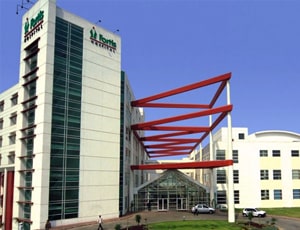
Choosing Vinmec Ha Long Hospital for Legg-Calve-Perthes Disease (LCPD) Treatment gives children access to experienced pediatric orthopedic specialists, advanced imaging technology, and multidisciplinary rehabilitation services. Established in 2018, the JCI hospital in Ha noi, Vietnam has 500 beds and provides specialized pediatric orthopedic care.
Legg-Calve-Perthes Disease (LCPD) Treatment may be recommended when the disease affects hip movement, causes pain or limping, or places the femoral head at risk of permanent deformity. Doctors may initially use activity modification, physiotherapy, pain management, or bracing to preserve hip mobility and containment. In selected patients, surgical procedures such as femoral or pelvic osteotomy may be performed to maintain proper positioning of the femoral head. Regular imaging helps guide treatment decisions.
Ho Chi Minh, Vietnam
Vinmec Central Park International Hospital provides specialised Legg-Calve-Perthes Disease (LCPD) Treatment with a focus on preserving hip function, maintaining mobility, and supporting healthy skeletal development. Established in 2015, the JCI hospital is located in Ho Chi Minh, Vietnam and operates 178 beds with modern pediatric orthopedic infrastructure.
Legg-Calve-Perthes Disease (LCPD) requires individualised management because it progresses through several stages of femoral head breakdown, revascularisation, and remodelling. Treatment may include observation, physiotherapy, activity restrictions, pain management, bracing, or surgical containment depending on the child's age and severity of disease. The primary goal is to maintain hip motion and encourage the femoral head to heal in a functional shape. Long-term orthopedic follow-up helps monitor hip development and identify potential complications.
Wockhardt Hospital, Umrao offers advanced Legg-Calve-Perthes Disease (LCPD) Treatment using modern pediatric orthopedic techniques and internationally accepted treatment protocols. Established in 2014, the NABH hospital is located in Mumbai, India and has 350 beds, providing comprehensive orthopedic care for local and international patients.
Legg-Calve-Perthes Disease (LCPD) Treatment is planned according to the child's age, disease stage, extent of femoral head involvement, hip mobility, and overall condition. Treatment may include observation, activity modification, pain management, physiotherapy, and measures to maintain hip movement. In children with more advanced disease or significant loss of hip containment, surgical procedures such as osteotomy may be considered. Regular X-rays and clinical assessments help monitor healing and hip development.
Apollo Hospital is a trusted healthcare provider for Legg-Calve-Perthes Disease (LCPD) Treatment, offering specialized pediatric hip care supported by experienced orthopedic surgeons and modern medical infrastructure. Established in 1983, the JCI hospital is situated in Chennai, India and has 550 beds.
Legg-Calve-Perthes Disease Treatment aims to preserve the shape and function of the hip while the affected femoral head undergoes healing and remodelling. The treatment approach depends on the child's age, disease stage, hip range of motion, and degree of femoral head involvement. Younger children with less extensive disease may be managed conservatively, while older children or those with significant deformity may require surgical containment procedures. Long-term follow-up is important to monitor hip development and function.
Apollo Multispecialty Hospitals is a trusted healthcare provider for Legg-Calve-Perthes Disease (LCPD) Treatment, offering specialized pediatric hip care supported by experienced orthopedic surgeons and modern medical infrastructure. Established in 2003, the JCI, ISO hospital is situated in Kolkata, India and has 700 beds.
Legg-Calve-Perthes Disease Treatment aims to preserve the shape and function of the hip while the affected femoral head undergoes healing and remodelling. The treatment approach depends on the child's age, disease stage, hip range of motion, and degree of femoral head involvement. Younger children with less extensive disease may be managed conservatively, while older children or those with significant deformity may require surgical containment procedures. Long-term follow-up is important to monitor hip development and function.
At BGS Gleneagles Global Hospitals, Legg-Calve-Perthes Disease (LCPD) Treatment is performed using advanced pediatric orthopedic techniques and personalised treatment plans based on the child's condition. Established in 2007, this NABH, NABL hospital in Bangalore, India has 500 beds and provides comprehensive pediatric orthopedic care.
Legg-Calve-Perthes Disease (LCPD) is a childhood hip disorder caused by a temporary disruption of blood supply to the femoral head, which can lead to weakening and deformity of the bone. Treatment aims to maintain hip movement and keep the femoral head properly positioned within the hip socket during healing. Depending on disease severity, management may include physiotherapy, activity modification, bracing, traction, or surgery. Regular imaging is used to monitor the progression and remodelling of the hip.
Bangalore, India
Manipal Hospital, Yeshwantpur offers advanced Legg-Calve-Perthes Disease (LCPD) Treatment using modern pediatric orthopedic techniques and internationally accepted treatment protocols. Established in 2022, the JCI, NABH, NABL hospital is located in Bangalore, India and has 250 beds, providing comprehensive orthopedic care for local and international patients.
Legg-Calve-Perthes Disease (LCPD) Treatment is planned according to the child's age, disease stage, extent of femoral head involvement, hip mobility, and overall condition. Treatment may include observation, activity modification, pain management, physiotherapy, and measures to maintain hip movement. In children with more advanced disease or significant loss of hip containment, surgical procedures such as osteotomy may be considered. Regular X-rays and clinical assessments help monitor healing and hip development.
At nM Virani Wockhardt, Legg-Calve-Perthes Disease (LCPD) Treatment is performed using advanced pediatric orthopedic techniques and personalised treatment plans based on the child's condition. Established in 1998, this NABH hospital in Rajkot, India has 280 beds and provides comprehensive pediatric orthopedic care.
Legg-Calve-Perthes Disease (LCPD) is a childhood hip disorder caused by a temporary disruption of blood supply to the femoral head, which can lead to weakening and deformity of the bone. Treatment aims to maintain hip movement and keep the femoral head properly positioned within the hip socket during healing. Depending on disease severity, management may include physiotherapy, activity modification, bracing, traction, or surgery. Regular imaging is used to monitor the progression and remodelling of the hip.
Fortis Hospital offers advanced Legg-Calve-Perthes Disease (LCPD) Treatment using modern pediatric orthopedic techniques and internationally accepted treatment protocols. Established in 2004, the NABH, NABL hospital is located in Noida, India and has 400 beds, providing comprehensive orthopedic care for local and international patients.
Legg-Calve-Perthes Disease (LCPD) Treatment is planned according to the child's age, disease stage, extent of femoral head involvement, hip mobility, and overall condition. Treatment may include observation, activity modification, pain management, physiotherapy, and measures to maintain hip movement. In children with more advanced disease or significant loss of hip containment, surgical procedures such as osteotomy may be considered. Regular X-rays and clinical assessments help monitor healing and hip development.
At Memorial Atasehir Hospital, Legg-Calve-Perthes Disease (LCPD) Treatment is performed using advanced pediatric orthopedic techniques and personalised treatment plans based on the child's condition. Established in 2010, this JCI hospital in Istanbul, Turkey has 144 beds and provides comprehensive pediatric orthopedic care.
Legg-Calve-Perthes Disease (LCPD) is a childhood hip disorder caused by a temporary disruption of blood supply to the femoral head, which can lead to weakening and deformity of the bone. Treatment aims to maintain hip movement and keep the femoral head properly positioned within the hip socket during healing. Depending on disease severity, management may include physiotherapy, activity modification, bracing, traction, or surgery. Regular imaging is used to monitor the progression and remodelling of the hip.
At Medicana Bahcelievler Hospital, Legg-Calve-Perthes Disease (LCPD) Treatment is performed using advanced pediatric orthopedic techniques and personalised treatment plans based on the child's condition. Established in 2004, this JCI hospital in Istanbul, Turkey has 89 beds and provides comprehensive pediatric orthopedic care.
Legg-Calve-Perthes Disease (LCPD) is a childhood hip disorder caused by a temporary disruption of blood supply to the femoral head, which can lead to weakening and deformity of the bone. Treatment aims to maintain hip movement and keep the femoral head properly positioned within the hip socket during healing. Depending on disease severity, management may include physiotherapy, activity modification, bracing, traction, or surgery. Regular imaging is used to monitor the progression and remodelling of the hip.
Choosing Medicana Konya Hospital for Legg-Calve-Perthes Disease (LCPD) Treatment gives children access to experienced pediatric orthopedic specialists, advanced imaging technology, and multidisciplinary rehabilitation services. Established in 2012, the JCI hospital in Konya, Turkey has 223 beds and provides specialized pediatric orthopedic care.
Legg-Calve-Perthes Disease (LCPD) Treatment may be recommended when the disease affects hip movement, causes pain or limping, or places the femoral head at risk of permanent deformity. Doctors may initially use activity modification, physiotherapy, pain management, or bracing to preserve hip mobility and containment. In selected patients, surgical procedures such as femoral or pelvic osteotomy may be performed to maintain proper positioning of the femoral head. Regular imaging helps guide treatment decisions.
Dubai, United Arab Emirates
At NMC Royal Hospital, DIP, Legg-Calve-Perthes Disease (LCPD) Treatment is performed using advanced pediatric orthopedic techniques and personalised treatment plans based on the child's condition. Established in 2020, this JCI hospital in Dubai, United Arab Emirates has 73 beds and provides comprehensive pediatric orthopedic care.
Legg-Calve-Perthes Disease (LCPD) is a childhood hip disorder caused by a temporary disruption of blood supply to the femoral head, which can lead to weakening and deformity of the bone. Treatment aims to maintain hip movement and keep the femoral head properly positioned within the hip socket during healing. Depending on disease severity, management may include physiotherapy, activity modification, bracing, traction, or surgery. Regular imaging is used to monitor the progression and remodelling of the hip.
Abu Dhabi, United Arab Emirates
NMC Specialty Hospital - Al Ain is a trusted healthcare provider for Legg-Calve-Perthes Disease (LCPD) Treatment, offering specialized pediatric hip care supported by experienced orthopedic surgeons and modern medical infrastructure. Established in 2007, the JCI hospital is situated in Abu Dhabi, United Arab Emirates and has 100 beds.
Legg-Calve-Perthes Disease Treatment aims to preserve the shape and function of the hip while the affected femoral head undergoes healing and remodelling. The treatment approach depends on the child's age, disease stage, hip range of motion, and degree of femoral head involvement. Younger children with less extensive disease may be managed conservatively, while older children or those with significant deformity may require surgical containment procedures. Long-term follow-up is important to monitor hip development and function.
Medicana Bursa Hospital provides specialised Legg-Calve-Perthes Disease (LCPD) Treatment with a focus on preserving hip function, maintaining mobility, and supporting healthy skeletal development. Established in 2017, the JCI, ISO hospital is located in Bursa, Turkey and operates 300 beds with modern pediatric orthopedic infrastructure.
Legg-Calve-Perthes Disease (LCPD) requires individualised management because it progresses through several stages of femoral head breakdown, revascularisation, and remodelling. Treatment may include observation, physiotherapy, activity restrictions, pain management, bracing, or surgical containment depending on the child's age and severity of disease. The primary goal is to maintain hip motion and encourage the femoral head to heal in a functional shape. Long-term orthopedic follow-up helps monitor hip development and identify potential complications.