Browse verified doctors or let our care team help you find the doctor best suited to your condition, treatment goals, and budget.

Life Kingsbury Hospital offers advanced Knee Arthroscopy using modern minimally invasive orthopaedic techniques and internationally accepted treatment protocols. Established in 1918, the accredited hospital is located in Cape Town, South Africa, with 212 beds, providing comprehensive orthopaedic care for local and international patients.
Knee arthroscopy is a minimally invasive procedure used to diagnose and treat conditions affecting the knee joint, including meniscus tears, cartilage damage, and certain ligament injuries. A small camera is inserted through a tiny incision to view the joint, while specialised instruments may be used to perform the required treatment. The orthopaedic specialist evaluates imaging and symptoms before recommending the procedure.
Johannesburg, South Africa
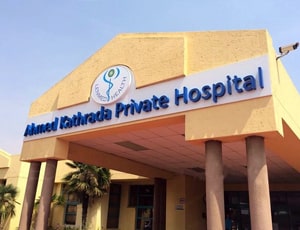
With advanced orthopaedic infrastructure, Lenmed Ahmed Kathrada Private Hospital offers Knee Arthroscopy for patients requiring minimally invasive diagnosis or treatment of knee joint problems. Established in 1984, the COHSASA, ISQua accredited hospital is located in Johannesburg, South Africa, and has 254 beds.
The procedure uses a small camera and specialised instruments inserted through tiny openings around the knee. It may help treat meniscus tears, cartilage damage, inflammation, and selected ligament injuries. Before treatment, the orthopaedic team evaluates the knee through physical examination and imaging to determine whether arthroscopy is appropriate.
netcare Linksfield Hospital provides Knee Arthroscopy using contemporary minimally invasive surgical techniques and evidence-based orthopaedic care. Founded in 1991, the COHSASA accredited hospital is based in Johannesburg, South Africa, with 319 beds and services for domestic and international patients.
During knee arthroscopy, a small arthroscope with a camera is introduced into the joint, allowing the surgeon to visualise internal structures on a monitor. Depending on the findings, procedures such as meniscus repair, removal of damaged tissue, or treatment of cartilage abnormalities may be performed. A detailed assessment is completed before surgery to plan treatment.
Durban, South Africa
At Lenmed Ethekwini Hospital and Heart Centre, patients can access Knee Arthroscopy supported by advanced surgical facilities and experienced orthopaedic specialists. Established in 2002, the accredited hospital is located in Durban, South Africa, and has 353 beds.
Knee arthroscopy allows surgeons to examine the inside of the knee through small incisions and treat selected joint problems during the same procedure. It may be recommended for meniscus injuries, damaged cartilage, loose bodies, or certain ligament conditions. Before surgery, the specialist reviews the patient's symptoms, physical examination, and diagnostic imaging to determine the most suitable approach.

Mrs. Heena Desai, 46, travelled from the UAE to undergo orthopedic consultation and check up in Thailand for knee pain.
| Speciality | Orthopedics |
| Procedure | Knee Arthroscopy |
| Success Rate | 85-95% |
| Recovery Time | 2-6 weeks |
| Treatment Time | 30 minutes to 1 hour |
| Chances of Recurrence | Low |
Knee Arthroscopy is a minimally invasive surgical procedure. It is used to diagnose and treat various knee joint problems. It involves inserting a small camera, known as an arthroscope, into the knee joint through a small incision. This technique allows the surgeon to view the inside of the knee in a better way. This guided approach can be used to perform surgical repairs or corrections using specialized instruments.
Many medical conditions can be diagnosed or treated with the help of a knee arthroscopy procedure. These include meniscus tears, ligament tears, the removal of small bone or cartilage fragments from the knee joint, synovitis, and patellar chondromalacia and plica syndrome.
The recovery process after Knee Arthroscopy is usually shorter than that after open knee surgery. It includes smaller incisions, reduced scarring, and less pain. After the procedure, patients are recommended to take rest and avoid putting weight on the knee immediately after the surgery. Physical therapy is a crucial part of the recovery process. It helps to restore knee strength, flexibility, and function. Pain medications are generally prescribed to manage discomfort during the initial recovery period. Overall recovery time may vary depending on the specific procedure performed and the individual's overall health condition.
It's a fact that while ranking a hospital, certain factors need to be considered. The following criteria can be used to classify hospitals for Knee Arthroscopys in South Africa- Popularity of the procedure, Infrastructure, Availability of the treatment, Skilled Medical Professionals, Technology employed, Cost, Facilities Offered, and Success Rate.
MediGence provides you with a combination of cost-savings, convenience, and quality healthcare. While travelling for treatment abroad, MediGence makes sure that your healthcare journey should be smooth and hassle-free. Some of the top caregiving services available include Hotel stays, Dedicated Case Coordinator, Recovery packages, Online Consultation, round-the-clock assistance, and customized packages with discounts of up to a 30%. There are many more advantages for you besides the aforementioned services.
Yes, it's simple to do that. While talking to one of our experts, you can request a video consultation appointment. They will check the doctor's availability for the consultation. Once confirmed, you will be sent a payment link to book your online consultation.
Due to the high success rate and top-notch hospital infrastructure, Knee Arthroscopy in South Africa is considered reliable by many people around the world. Additional factors make South Africa the ideal option for Knee Arthroscopy. These include:
The recovery time for a procedure varies based on the condition of the patient and the complexity of the surgery. The patient should make sure to take all rehabilitation sessions and follow postoperative care protocols, among other things, to reduce their recovery time. Following surgery, patients must return for follow-up appointments to ensure proper healing and to expedite the healing process.