Browse verified doctors or let our care team help you find the doctor best suited to your condition, treatment goals, and budget.

Manipal Hospital, Hebbal is a trusted healthcare provider for Transarterial Radioembolization- TARE, offering advanced interventional oncology services supported by experienced specialists and modern medical infrastructure. Established in 1991, the NABL, NABH hospital is situated in Bangalore, India and has 280 beds.
Transarterial Radioembolization (TARE) is a targeted treatment that delivers radiation directly to tumors in the liver through the hepatic arterial blood supply. It may be used when surgery or other treatments are not suitable or as part of a broader treatment strategy, depending on the patient's condition. Before the procedure, specialists assess the tumor and liver using imaging and other diagnostic tests. Regular follow-up helps evaluate tumor response and liver function.
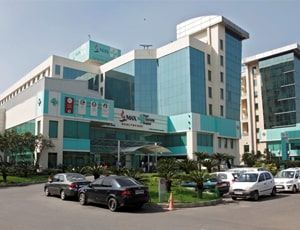
Max Super Speciality Hospital, Saket offers advanced Transarterial Radioembolization (TARE) using modern interventional radiology techniques and internationally accepted treatment protocols. Established in 2006, the JCI, NABH hospital is located in Delhi, India and has 539 beds, providing comprehensive care for local and international patients.
Transarterial Radioembolization (TARE) is a minimally invasive treatment primarily used for certain liver cancers and tumors that have spread to the liver. During the procedure, tiny radioactive microspheres are delivered through the hepatic artery to the tumor, where they release radiation locally while limiting exposure to surrounding healthy liver tissue. Before treatment, doctors generally perform imaging and other assessments to determine whether TARE is appropriate. Follow-up imaging helps evaluate the treatment response.
Gurgaon, India
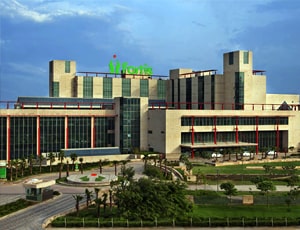
Fortis Memorial Research Institute is a trusted healthcare provider for Transarterial Radioembolization- TARE, offering advanced interventional oncology services supported by experienced specialists and modern medical infrastructure. Established in 2013, the JCI, NABH, NABL hospital is situated in Gurgaon, India and has 311 beds.
Transarterial Radioembolization (TARE) is a targeted treatment that delivers radiation directly to tumors in the liver through the hepatic arterial blood supply. It may be used when surgery or other treatments are not suitable or as part of a broader treatment strategy, depending on the patient's condition. Before the procedure, specialists assess the tumor and liver using imaging and other diagnostic tests. Regular follow-up helps evaluate tumor response and liver function.
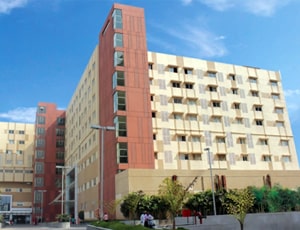
Asian Institute of Medical Sciences is a trusted healthcare provider for Transarterial Radioembolization- TARE, offering advanced interventional oncology services supported by experienced specialists and modern medical infrastructure. Established in 2010, the NABL, NABH hospital is situated in Faridabad, India and has 425 beds.
Transarterial Radioembolization (TARE) is a targeted treatment that delivers radiation directly to tumors in the liver through the hepatic arterial blood supply. It may be used when surgery or other treatments are not suitable or as part of a broader treatment strategy, depending on the patient's condition. Before the procedure, specialists assess the tumor and liver using imaging and other diagnostic tests. Regular follow-up helps evaluate tumor response and liver function.
Apollo Hospital International Limited provides specialised Transarterial Radioembolization- TARE with a focus on precision, patient safety, and individualised cancer treatment. Established in 2003, the NABH, JCI hospital is located in Ahmedabad, India, and operates 300 beds, equipped with modern healthcare infrastructure.
Transarterial Radioembolization (TARE) is a form of locoregional radiation therapy designed to target tumors within the liver while reducing radiation exposure to healthy tissue. It is commonly used for selected primary liver cancers and metastatic tumors involving the liver. The treatment typically involves catheter-based delivery of radioactive microspheres into the tumor's arterial blood supply. Comprehensive evaluation before treatment and follow-up imaging afterwards help doctors assess suitability, treatment response, and liver health.
At Manipal Hospital, Gurugram, Transarterial Radioembolization- TARE is performed using advanced image-guided techniques and personalised treatment plans based on the patient's condition. Established in 2008, this NABL, NABH hospital in Gurgaon, India has 380 beds and provides comprehensive cancer care.
Transarterial Radioembolization (TARE) may be considered for patients with selected liver tumors, including hepatocellular carcinoma and certain metastatic cancers. The procedure involves guiding a catheter through the blood vessels to the liver and delivering radioactive microspheres directly into the arteries supplying the tumor. Patients usually undergo imaging and laboratory assessments before treatment to evaluate liver function and vascular anatomy. Follow-up care and imaging are used to monitor response and manage potential side effects.
Manipal Hospitals Goa, Dona Paula offers advanced Transarterial Radioembolization (TARE) using modern interventional radiology techniques and internationally accepted treatment protocols. Established in 1994, the NABH hospital is located in Panjim, India and has 235 beds, providing comprehensive care for local and international patients.
Transarterial Radioembolization (TARE) is a minimally invasive treatment primarily used for certain liver cancers and tumors that have spread to the liver. During the procedure, tiny radioactive microspheres are delivered through the hepatic artery to the tumor, where they release radiation locally while limiting exposure to surrounding healthy liver tissue. Before treatment, doctors generally perform imaging and other assessments to determine whether TARE is appropriate. Follow-up imaging helps evaluate the treatment response.
Fortis Hospital offers advanced Transarterial Radioembolization (TARE) using modern interventional radiology techniques and internationally accepted treatment protocols. Established in 2006, the JCI, NABH hospital is located in Mohali, India and has 276 beds, providing comprehensive care for local and international patients.
Transarterial Radioembolization (TARE) is a minimally invasive treatment primarily used for certain liver cancers and tumors that have spread to the liver. During the procedure, tiny radioactive microspheres are delivered through the hepatic artery to the tumor, where they release radiation locally while limiting exposure to surrounding healthy liver tissue. Before treatment, doctors generally perform imaging and other assessments to determine whether TARE is appropriate. Follow-up imaging helps evaluate the treatment response.
Delhi, India
Fortis Flt. Lt. Rajan Dhall Hospital is a trusted healthcare provider for Transarterial Radioembolization- TARE, offering advanced interventional oncology services supported by experienced specialists and modern medical infrastructure. Established in 2006, the NABH hospital is situated in Delhi, India and has 162 beds.
Transarterial Radioembolization (TARE) is a targeted treatment that delivers radiation directly to tumors in the liver through the hepatic arterial blood supply. It may be used when surgery or other treatments are not suitable or as part of a broader treatment strategy, depending on the patient's condition. Before the procedure, specialists assess the tumor and liver using imaging and other diagnostic tests. Regular follow-up helps evaluate tumor response and liver function.
American Oncology Institute offers advanced Transarterial Radioembolization (TARE) using modern interventional radiology techniques and internationally accepted treatment protocols. Established in 2013, the NABH hospital is located in Hyderabad, India and has 150 beds, providing comprehensive care for local and international patients.
Transarterial Radioembolization (TARE) is a minimally invasive treatment primarily used for certain liver cancers and tumors that have spread to the liver. During the procedure, tiny radioactive microspheres are delivered through the hepatic artery to the tumor, where they release radiation locally while limiting exposure to surrounding healthy liver tissue. Before treatment, doctors generally perform imaging and other assessments to determine whether TARE is appropriate. Follow-up imaging helps evaluate the treatment response.
Chennai, India
At The Madras Institute of Orthopedics and Traumatology, Transarterial Radioembolization- TARE is performed using advanced image-guided techniques and personalised treatment plans based on the patient's condition. Established in 1999, this JCI, NABH hospital in Chennai, India has 1000 beds and provides comprehensive cancer care.
Transarterial Radioembolization (TARE) may be considered for patients with selected liver tumors, including hepatocellular carcinoma and certain metastatic cancers. The procedure involves guiding a catheter through the blood vessels to the liver and delivering radioactive microspheres directly into the arteries supplying the tumor. Patients usually undergo imaging and laboratory assessments before treatment to evaluate liver function and vascular anatomy. Follow-up care and imaging are used to monitor response and manage potential side effects.
Sanar International Hospital is a trusted healthcare provider for Transarterial Radioembolization- TARE, offering advanced interventional oncology services supported by experienced specialists and modern medical infrastructure. Established in 2018, the NABH, JCI, AACI hospital is situated in Gurugram, India and has 150 beds.
Transarterial Radioembolization (TARE) is a targeted treatment that delivers radiation directly to tumors in the liver through the hepatic arterial blood supply. It may be used when surgery or other treatments are not suitable or as part of a broader treatment strategy, depending on the patient's condition. Before the procedure, specialists assess the tumor and liver using imaging and other diagnostic tests. Regular follow-up helps evaluate tumor response and liver function.
Choosing The Medical Park for Transarterial Radioembolization- TARE gives patients access to experienced interventional radiologists, advanced imaging technology, and multidisciplinary cancer care. Established in 1987, the hospital in Chennai, India has 300 beds and provides specialised healthcare services.
Transarterial Radioembolization (TARE) is a minimally invasive procedure used to treat selected tumors located in the liver. During treatment, radioactive microspheres are delivered through a catheter into blood vessels supplying the tumor. The microspheres become lodged in the tumor's blood supply and release radiation over time. Patient selection generally involves detailed imaging, blood tests, and assessment of liver function before treatment, followed by monitoring and follow-up imaging.
NeuroGen Brain and Spine Institute is a trusted healthcare provider for Transarterial Radioembolization- TARE, offering advanced interventional oncology services supported by experienced specialists and modern medical infrastructure. Established in 2008, the ISO hospital is situated in Mumbai, India and has 40 beds.
Transarterial Radioembolization (TARE) is a targeted treatment that delivers radiation directly to tumors in the liver through the hepatic arterial blood supply. It may be used when surgery or other treatments are not suitable or as part of a broader treatment strategy, depending on the patient's condition. Before the procedure, specialists assess the tumor and liver using imaging and other diagnostic tests. Regular follow-up helps evaluate tumor response and liver function.
Apollo Multispecialty Hospitals provides specialised Transarterial Radioembolization- TARE with a focus on precision, patient safety, and individualised cancer treatment. Established in 2003, the JCI, ISO hospital is located in Kolkata, India, and operates 700 beds, equipped with modern healthcare infrastructure.
Transarterial Radioembolization (TARE) is a form of locoregional radiation therapy designed to target tumors within the liver while reducing radiation exposure to healthy tissue. It is commonly used for selected primary liver cancers and metastatic tumors involving the liver. The treatment typically involves catheter-based delivery of radioactive microspheres into the tumor's arterial blood supply. Comprehensive evaluation before treatment and follow-up imaging afterwards help doctors assess suitability, treatment response, and liver health.

Monica from Ghana suffered from AV malformation. She decided to look for options for medical treatment when she started experiencing episodes of unconsciousness. After a…

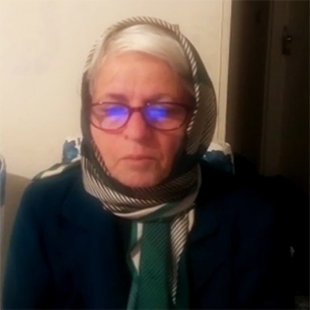
Nasrin (Sister of the patient ) explains the journey of how MediGence helped for the treatment of Silim Shabani for Ovarian Cancer Treatment in Turkey.