Browse verified doctors or let our care team help you find the doctor best suited to your condition, treatment goals, and budget.

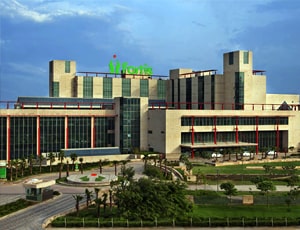
At Fortis Hospital, Mulund, Stereotactic Radio Therapy (SRT) is performed using advanced radiation-planning systems and personalized treatment protocols. Established in 2002, this JCI, NABH accredited hospital in Mumbai, India has 315 beds and offers comprehensive oncology and radiation therapy services.
Stereotactic Radio Therapy (SRT) uses multiple precisely directed radiation beams to deliver treatment to a defined target. It can be considered for certain localized tumors or lesions when highly accurate radiation delivery is required. The treatment approach is selected according to the tumor's location, size, type, and the patient's overall health. Imaging scans and computerized planning are generally performed before treatment to determine the appropriate radiation dose and delivery technique.
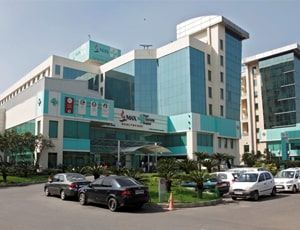
At Max Super Speciality Hospital, Saket, Stereotactic Radio Therapy (SRT) is performed using advanced radiation-planning systems and personalized treatment protocols. Established in 2006, this JCI, NABH accredited hospital in Delhi, India has 539 beds and offers comprehensive oncology and radiation therapy services.
Stereotactic Radio Therapy (SRT) uses multiple precisely directed radiation beams to deliver treatment to a defined target. It can be considered for certain localized tumors or lesions when highly accurate radiation delivery is required. The treatment approach is selected according to the tumor's location, size, type, and the patient's overall health. Imaging scans and computerized planning are generally performed before treatment to determine the appropriate radiation dose and delivery technique.
Gurgaon, India
Fortis Memorial Research Institute is a trusted healthcare provider for Stereotactic Radio Therapy (SRT), offering modern radiation treatment supported by experienced radiation oncologists and advanced medical infrastructure. Established in 2013, the JCI, NABH, NABL accredited hospital is situated in Gurgaon, India and has 311 beds.
Stereotactic Radio Therapy (SRT) is a non-invasive radiation treatment designed to deliver high-precision radiation to a specific target. It may be used for selected brain, spinal, or other localized tumors and lesions. Unlike conventional radiation therapy, SRT generally delivers a focused treatment dose using detailed imaging and computerized treatment planning. Depending on the clinical situation, treatment may be given in one session or divided into a small number of sessions.
Asian Institute of Medical Sciences is a trusted healthcare provider for Stereotactic Radio Therapy (SRT), offering modern radiation treatment supported by experienced radiation oncologists and advanced medical infrastructure. Established in 2010, the NABL, NABH accredited hospital is situated in Faridabad, India and has 425 beds.
Stereotactic Radio Therapy (SRT) is a non-invasive radiation treatment designed to deliver high-precision radiation to a specific target. It may be used for selected brain, spinal, or other localized tumors and lesions. Unlike conventional radiation therapy, SRT generally delivers a focused treatment dose using detailed imaging and computerized treatment planning. Depending on the clinical situation, treatment may be given in one session or divided into a small number of sessions.
Apollo Hospital International Limited provides specialized Stereotactic Radio Therapy (SRT) with a focus on precision, patient safety, and individualized treatment planning. Established in 2003, the NABH, JCI accredited hospital is located in Ahmedabad, India and operates 300 beds with modern radiation therapy infrastructure.
Stereotactic Radio Therapy (SRT) uses advanced imaging, computerized planning, and precisely directed radiation to treat selected tumors while helping protect surrounding normal tissues. It may be considered for certain localized tumors that can be clearly identified on imaging. Before treatment, the radiation oncology team evaluates the tumor's size, location, type, and the patient's overall health. SRT may be delivered as a single treatment or as multiple smaller treatment sessions, depending on the clinical requirements.
At Manipal Hospitals Goa, Dona Paula, Stereotactic Radio Therapy (SRT) is performed using advanced radiation-planning systems and personalized treatment protocols. Established in 1994, this NABH accredited hospital in Panjim, India has 235 beds and offers comprehensive oncology and radiation therapy services.
Stereotactic Radio Therapy (SRT) uses multiple precisely directed radiation beams to deliver treatment to a defined target. It can be considered for certain localized tumors or lesions when highly accurate radiation delivery is required. The treatment approach is selected according to the tumor's location, size, type, and the patient's overall health. Imaging scans and computerized planning are generally performed before treatment to determine the appropriate radiation dose and delivery technique.
Metro Hospital is a trusted healthcare provider for Stereotactic Radio Therapy (SRT), offering modern radiation treatment supported by experienced radiation oncologists and advanced medical infrastructure. Established in 1997, the NABL, NABH, ISO accredited hospital is situated in Noida, India and has 289 beds.
Stereotactic Radio Therapy (SRT) is a non-invasive radiation treatment designed to deliver high-precision radiation to a specific target. It may be used for selected brain, spinal, or other localized tumors and lesions. Unlike conventional radiation therapy, SRT generally delivers a focused treatment dose using detailed imaging and computerized treatment planning. Depending on the clinical situation, treatment may be given in one session or divided into a small number of sessions.
Sharda Hospital is a trusted healthcare provider for Stereotactic Radio Therapy (SRT), offering modern radiation treatment supported by experienced radiation oncologists and advanced medical infrastructure. Established in 2005, the NABH accredited hospital is situated in Noida, India and has 1200 beds.
Stereotactic Radio Therapy (SRT) is a non-invasive radiation treatment designed to deliver high-precision radiation to a specific target. It may be used for selected brain, spinal, or other localized tumors and lesions. Unlike conventional radiation therapy, SRT generally delivers a focused treatment dose using detailed imaging and computerized treatment planning. Depending on the clinical situation, treatment may be given in one session or divided into a small number of sessions.
At Clear Medi Hospital, Karkardooma, Stereotactic Radio Therapy (SRT) is performed using advanced radiation-planning systems and personalized treatment protocols. Established in 2017, this NABH, NABL accredited hospital in Delhi, India has 100 beds and offers comprehensive oncology and radiation therapy services.
Stereotactic Radio Therapy (SRT) uses multiple precisely directed radiation beams to deliver treatment to a defined target. It can be considered for certain localized tumors or lesions when highly accurate radiation delivery is required. The treatment approach is selected according to the tumor's location, size, type, and the patient's overall health. Imaging scans and computerized planning are generally performed before treatment to determine the appropriate radiation dose and delivery technique.
American Oncology Institute provides specialized Stereotactic Radio Therapy (SRT) with a focus on precision, patient safety, and individualized treatment planning. Established in 2013, the NABH accredited hospital is located in Hyderabad, India and operates 150 beds with modern radiation therapy infrastructure.
Stereotactic Radio Therapy (SRT) uses advanced imaging, computerized planning, and precisely directed radiation to treat selected tumors while helping protect surrounding normal tissues. It may be considered for certain localized tumors that can be clearly identified on imaging. Before treatment, the radiation oncology team evaluates the tumor's size, location, type, and the patient's overall health. SRT may be delivered as a single treatment or as multiple smaller treatment sessions, depending on the clinical requirements.
At Sanar International Hospital, Stereotactic Radio Therapy (SRT) is performed using advanced radiation-planning systems and personalized treatment protocols. Established in 2018, this NABH, JCI, AACI accredited hospital in Gurugram, India has 150 beds and offers comprehensive oncology and radiation therapy services.
Stereotactic Radio Therapy (SRT) uses multiple precisely directed radiation beams to deliver treatment to a defined target. It can be considered for certain localized tumors or lesions when highly accurate radiation delivery is required. The treatment approach is selected according to the tumor's location, size, type, and the patient's overall health. Imaging scans and computerized planning are generally performed before treatment to determine the appropriate radiation dose and delivery technique.
Chennai, India
The Madras Institute of Orthopedics and Traumatology is a trusted healthcare provider for Stereotactic Radio Therapy (SRT), offering modern radiation treatment supported by experienced radiation oncologists and advanced medical infrastructure. Established in 1999, the JCI, NABH accredited hospital is situated in Chennai, India and has 1000 beds.
Stereotactic Radio Therapy (SRT) is a non-invasive radiation treatment designed to deliver high-precision radiation to a specific target. It may be used for selected brain, spinal, or other localized tumors and lesions. Unlike conventional radiation therapy, SRT generally delivers a focused treatment dose using detailed imaging and computerized treatment planning. Depending on the clinical situation, treatment may be given in one session or divided into a small number of sessions.
Shanti Mukand Hospital offers advanced Stereotactic Radio Therapy (SRT) using modern radiation technology and internationally accepted treatment protocols. Established in 1995, the NABH, NABL accredited hospital is located in Delhi, India and has 200 beds, providing comprehensive care for local and international patients.
Stereotactic Radio Therapy (SRT) is a highly precise radiation treatment that delivers focused doses of radiation to a targeted area while minimizing exposure to surrounding healthy tissues. It may be used for selected tumors in the brain, spine, and other parts of the body. Depending on the tumor type, size, location, and treatment plan, SRT may be delivered in a single session or over several sessions. Before treatment, doctors use imaging and treatment-planning techniques to accurately define the target.
VPS Lakeshore Hospital provides specialized Stereotactic Radio Therapy (SRT) with a focus on precision, patient safety, and individualized treatment planning. Established in 2003, the NABH, ISO accredited hospital is located in Kochi, India and operates 350 beds with modern radiation therapy infrastructure.
Stereotactic Radio Therapy (SRT) uses advanced imaging, computerized planning, and precisely directed radiation to treat selected tumors while helping protect surrounding normal tissues. It may be considered for certain localized tumors that can be clearly identified on imaging. Before treatment, the radiation oncology team evaluates the tumor's size, location, type, and the patient's overall health. SRT may be delivered as a single treatment or as multiple smaller treatment sessions, depending on the clinical requirements.
Apollo Multispecialty Hospitals is a trusted healthcare provider for Stereotactic Radio Therapy (SRT), offering modern radiation treatment supported by experienced radiation oncologists and advanced medical infrastructure. Established in 2003, the JCI, ISO accredited hospital is situated in Kolkata, India and has 700 beds.
Stereotactic Radio Therapy (SRT) is a non-invasive radiation treatment designed to deliver high-precision radiation to a specific target. It may be used for selected brain, spinal, or other localized tumors and lesions. Unlike conventional radiation therapy, SRT generally delivers a focused treatment dose using detailed imaging and computerized treatment planning. Depending on the clinical situation, treatment may be given in one session or divided into a small number of sessions.

Monica from Ghana suffered from AV malformation. She decided to look for options for medical treatment when she started experiencing episodes of unconsciousness. After a…
| Speciality | Oncology |
| Procedure | Stereotactic Radio Therapy (SRT) |
| Success Rate | Varies as per stage, grade and type of cancer |
| Recovery Time | Several weeks to months |
| Treatment Time | Several minutes per session (typically 1-5 sessions) |
| Chances of Recurrence | Varies as per stage, grade, type and location of cancer |
Many hospitals in India offering SRT have the latest medical equipment. They utilise advanced tools like Gamma Knife, CyberKnife, and linear accelerators to provide precise and effective therapy with less damage to healthy tissues. These hospitals offer modern radiation therapy technology and top-class facilities.
The top hospitals that provide Stereotactic Radio Therapy (SRT) in India have the following features:
Stereotactic radiotherapy (SRT) has a high success rate in India. The treatment's effects on conditions such as brain tumours usually range from 70% to 90%. Small—to medium-sized tumours respond well to the treatment, which has few adverse effects and significantly reduces or stabilises the tumour. However, the characteristics of the tumour and the patient's health can affect the outcome.
Use MediGence's website to find a hospital with the top oncologists for Stereotactic Radio Therapy (SRT) in India. A carefully selected list of top medical facilities and skilled oncologists with expertise in cutting-edge therapies like SRT is now available by MediGence. To ensure you get the best treatment for your needs, you can schedule consultations with reputable medical providers, read patient reviews, and compare other options.
Few hospitals in India offer Stereotactic Radio Therapy (SRT):
The cost of Stereotactic Radio Therapy (SRT) in India typically ranges from (USD 5500 - 7500), depending on the hospital, location, and the complexity of the procedure.
Many hospitals in India offering Stereotactic Radio Therapy (SRT) specialise in treating international patients. They arrange travel and accommodation and plan treatment. Even Top-Notch Hospitals like Artemis, Fortis, and Medanta provide excellent treatment and care for their global patients.
There are some of the risks associated with Stereotactic Radio Therapy (SRT) such as:
In India, recovery after stereotactic radiotherapy (SRT) usually differs based on the patient and the treated condition. After treatment, most patients have a short recovery time and can return to regular activities in a few days to a week.
You can consult with an oncologist before travelling to India for stereotactic radiotherapy (SRT) through the MediGence platform. MediGence offers tele consultations with top oncologists, allowing you to discuss your medical condition, treatment options, and expert advice.
In India, post-operative care after stereotactic radiotherapy (SRT) usually includes routine follow-up appointments to monitor recovery and handle any adverse effects. Patients are typically told to avoid strenuous activities and relax for a few days. Although mild side effects like headaches, oedema, or fatigue are possible, they are usually minor and controlled with medicine.
India is one of the most sought-after destinations for stereotactic radiotherapy (SRT) due to its advanced healthcare facilities, well-qualified doctors, and cost-effective treatment. The country has world-class medical technology and internationally accredited hospitals. MediGence ensures a hassle-free experience with personalised assistance from selecting the hospital, travel, and post-treatment care.
MediGence will contact you to arrange a stereotactic radiotherapy (SRT) appointment in India. Our case manager will connect you with the top hospitals, schedule consultations with the specialists, and guide you throughout the process, including travel and treatment planning.
Stereotactic Radiotherapy (SRT) treatments in India usually last between one and three weeks.
You can expect a non-invasive process where precise radiation is applied to the target area during Stereotactic Radio Therapy (SRT). Usually, the course of treatment consists of many sessions, each lasting between thirty and an hour.
Yes. In addition to Stereotactic Radio Therapy (SRT), there are some alternative treatments, such as chemotherapy, radiation therapy, targeted therapy, and hormone therapy, available in India.
MediGence offers end-to-end support for a hassle-free experience as you prepare for Stereotactic Radio Therapy (SRT) in India. For an initial consultation, we get you in touch with the top hospitals and skilled oncologists. We also arrange diagnostic testing and create a customised treatment plan.
Our Case Manager will help you coordinate travel, visas, and accommodation and provide personalised support during your stay. MediGence offers the best and safest care in state-of-the-art medical facilities.